What happens when the Sun “throws a tantrum” and hurls charged particles straight at Earth?
Scientists are finally getting a closer look — and it just launched into orbit.
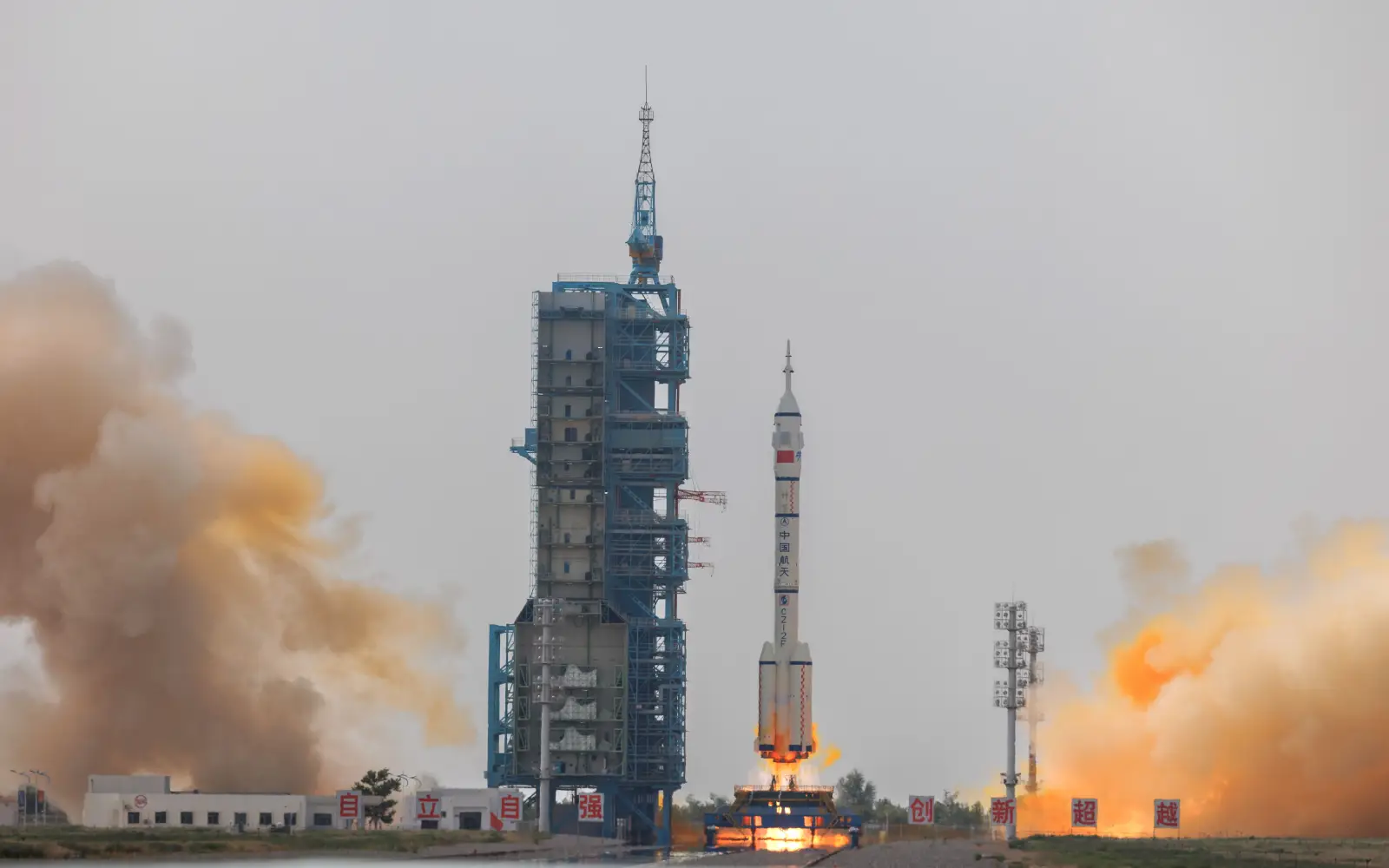
A joint European–Chinese spacecraft named SMILE has successfully lifted off from the European spaceport in Kourou, French Guiana.
Beginning a mission to study how violent solar activity interacts with Earth’s magnetic shield.
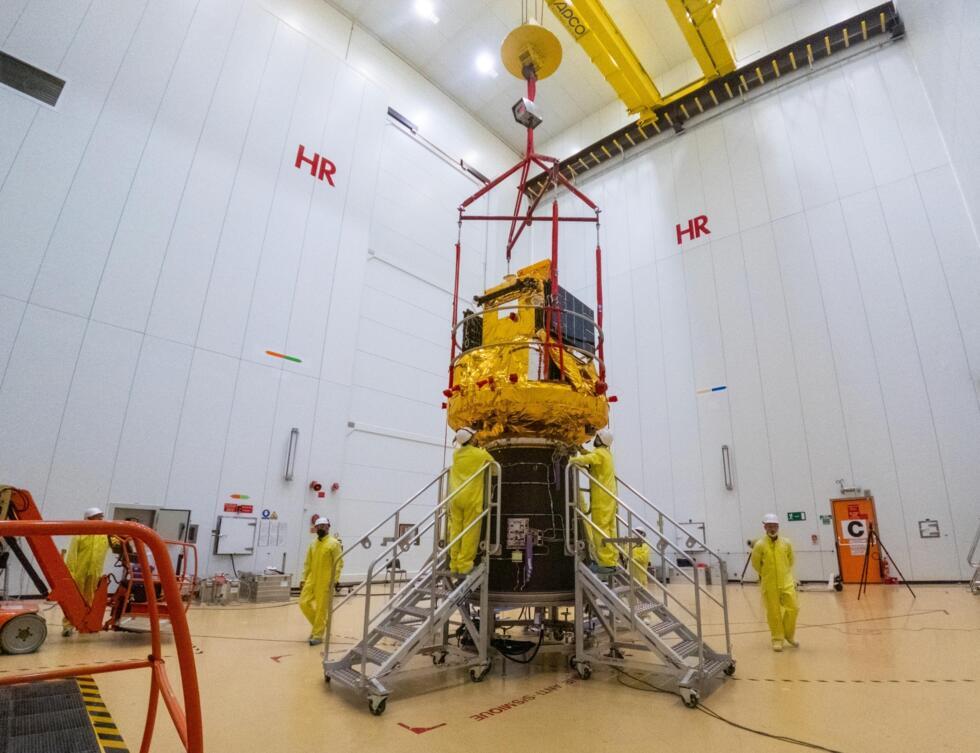
The van-sized satellite, launched aboard a Vega-C rocket, separated from the vehicle about an hour after lift-off.
It began its journey into a highly elliptical orbit, reaching up to 121,000 km above Earth at its farthest point.
Mission Reveals New Risks
So why go all the way out there? Because SMILE is designed to do something never done before.
To capture X-ray images of how solar wind and massive eruptions from the Sun collide with Earth’s protective magnetic field.
“We are about to witness something we’ve never seen before — Earth’s invisible armour in action,” said ESA director-general Josef Aschbacher.
Highlighting just how ground-breaking the mission is. These solar storms aren’t just pretty lights in the sky.
Experts warn that intense bursts can disrupt satellites, damage power grids, and even endanger astronauts.
In extreme cases, they’ve triggered global effects — like the 1859 geomagnetic storm that shocked telegraph operators and lit up skies as far as Panama.
As one mission scientist put it, SMILE is essentially helping us “see space weather before it hits us.”
And maybe that’s the real question: if we can predict the Sun’s next outburst… do we finally get a warning before the sky starts fighting back?