
What begins as an ordinary journey can turn into a nightmare in seconds—so what really happened on a busy highway in Bogota’s southwest?
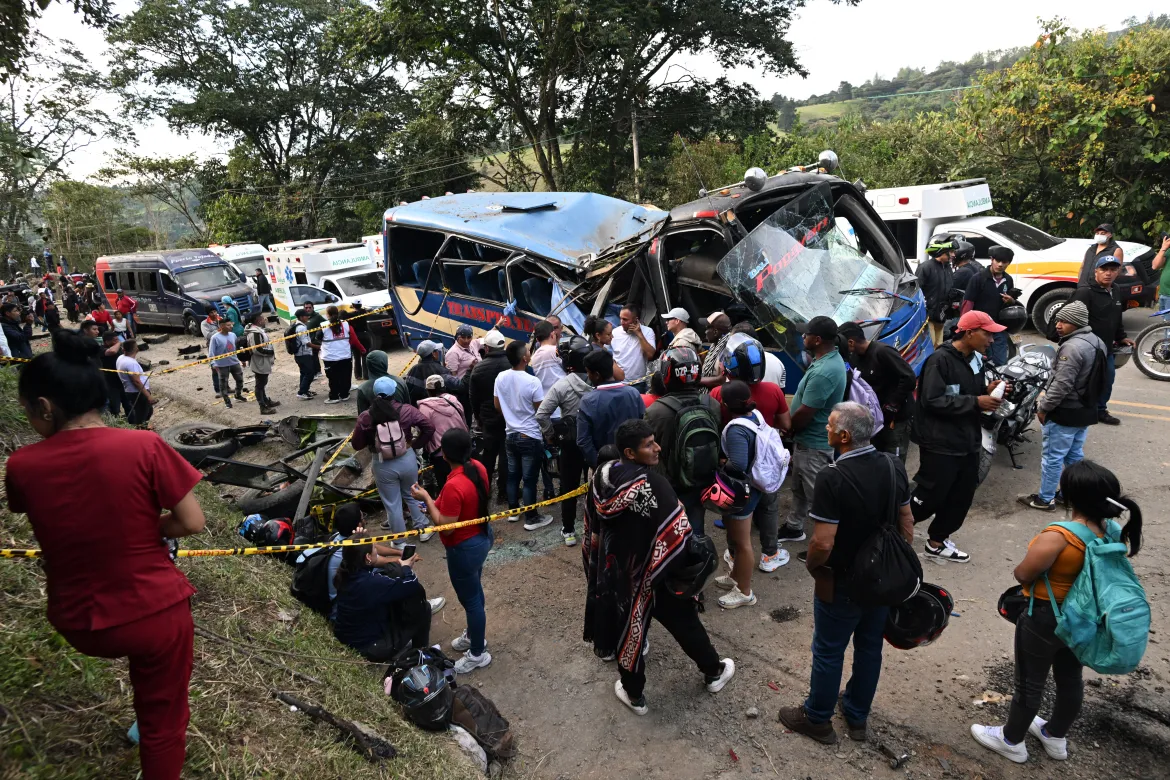
A powerful explosion tore through the Pan-American Highway in Cauca, leaving twisted buses, overturned cars, and a gaping crater in its wake.
The scale of destruction raises a chilling question: was this just an attack, or a calculated message?
Initially, officials reported 14 deaths.But by the next morning, National Institute of Legal Medicine and Forensic Sciences said it was examining 19 bodies.
An indication the toll may be even higher. More than 38 people were injured.
Military chief Hugo Lopez didn’t mince words.
Election Violence Concerns
“It is a terrorist attack against the civilian population,” he said, explaining how attackers blocked the road with vehicles before detonating the bomb.
Why now? Timing matters. The blast comes just weeks before Colombians head to the polls to choose a successor to Gustavo Petro.
In a region already marked by unrest, such violence can’t be viewed in isolation.
Experts often warn that attacks like these are designed not just to destroy—but to intimidate.
And that leaves a troubling thought: when fear enters the political arena, can democracy truly run free?