
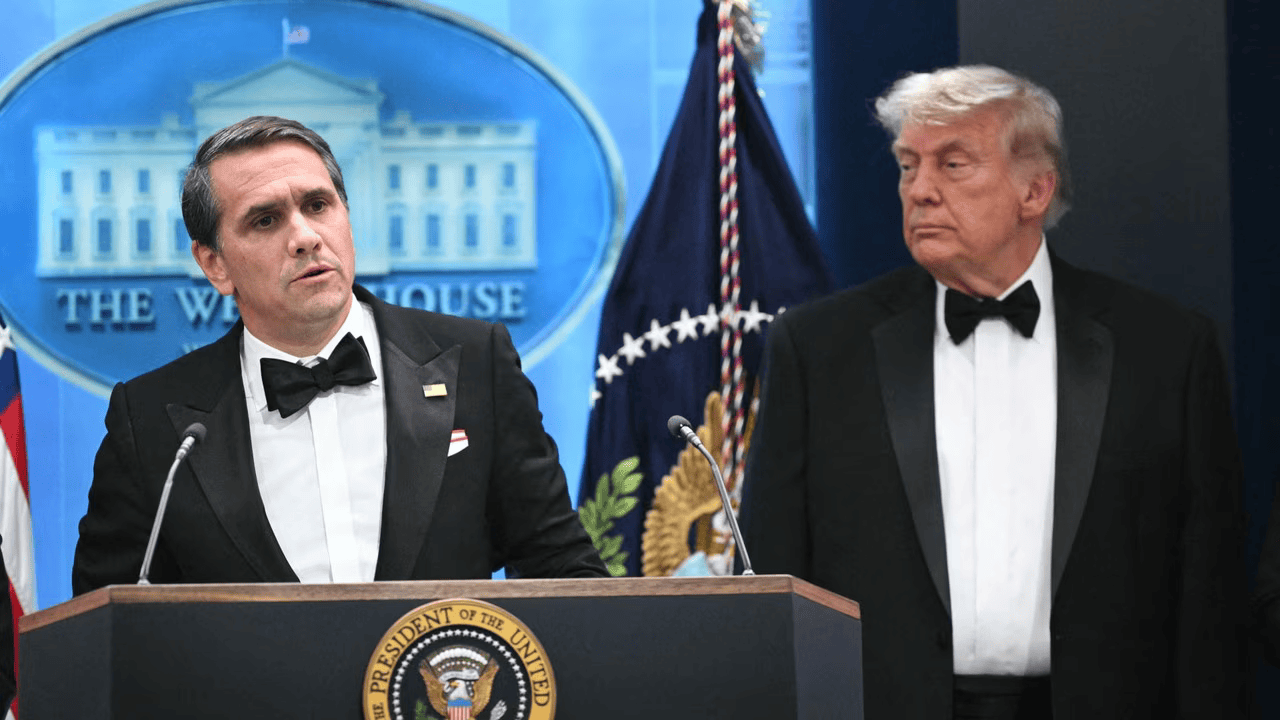
What happens when a glittering night of politics and media suddenly turns into chaos?
That’s exactly what unfolded at the White House Correspondents’ Dinner—an event known more for jokes and networking than gunfire.
In a shocking twist, officials now say President Donald Trump and members of his administration were “likely” the intended targets.
Acting Attorney General Todd Blanche described the findings as “preliminary,” but pointed to a disturbing possibility: this wasn’t random.
The suspect, identified by US media as 31-year-old Cole Tomas Allen from California, has reportedly refused to cooperate with investigators.
What Was His Motive?
Police are digging, while Trump himself has offered his own take, calling it a “religious thing” and “strongly anti-Christian.” But is that conclusion premature?
The shooting began around 8:35 pm, right in the middle of a high-profile gathering of politicians and journalists.
Imagine the scene—formal gowns, tuxedos… and suddenly, people ducking for cover. Panic, confusion, and unanswered questions.
Experts say early investigations in such cases can be murky.
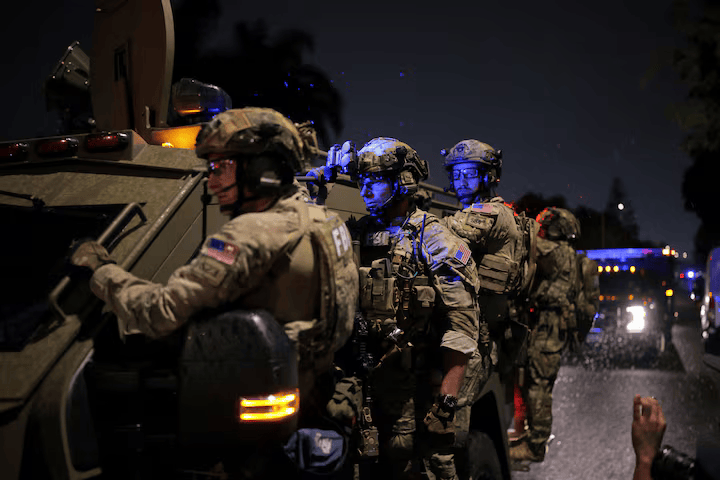
“You’re often dealing with fragments of intent, not a full picture,” one analyst noted, highlighting how motives can take time to verify.
For now, one thing is certain: even the most secure, high-profile events aren’t immune.
And the bigger question lingers—how do you guard against a threat you don’t fully understand?