

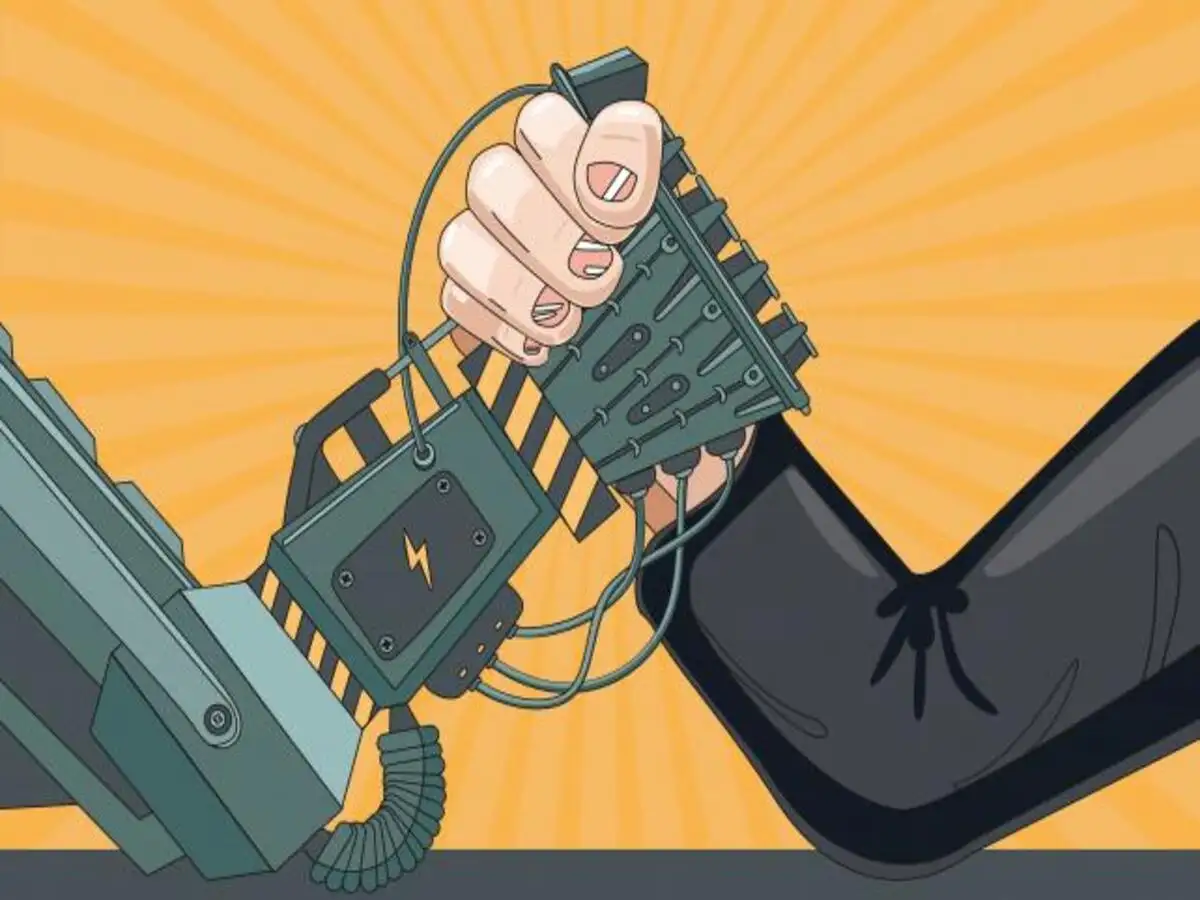
At a major AI conference in San Francisco, one message echoed louder than the hype: artificial intelligence is changing everything.
But no one wants to clearly say what happens to human jobs.
Inside the HumanX event, packed with thousands of tech leaders and investors, the mood was a strange mix of excitement and unease.
One bold sign at the entrance summed up the tension: “Stop hiring humans.” A joke? Or a warning?
On stage, AI executives admitted that companies are in what one called a “collective panic attack,” as tools increasingly replace human work.
Big firms are already making cuts, with companies like Salesforce reducing customer support roles after saying AI now handles half the workload.
Block’s Jack Dorsey has even floated cutting staff by nearly 50%, pointing to “intelligence tools” reshaping business.
Still, not everyone agrees on the narrative. Some economists argue companies may be using AI as a convenient excuse for layoffs driven by cost-cutting or overhiring.
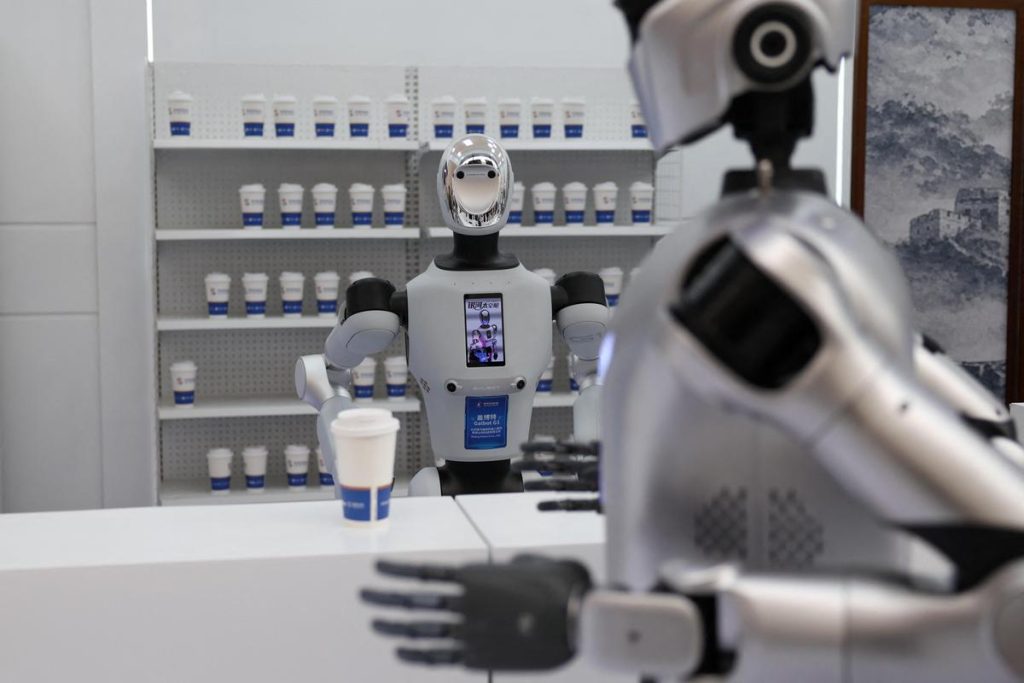
AI Skills Shift Debate
OpenAI’s Sam Altman has warned about “AI-washing,” while others say the real transformation is deeper.
As AWS chief Matt Garman put it, AI will “transform every single company, every single job.”
So what skills survive? Coding? Maybe. But increasingly, leaders say it’s human abilities that matter most.
“Critical thinking, communication, teamwork,” said Coursera CEO Greg Hart, calling them the real edge in an automated world.
Yet there’s a quiet worry underneath all the optimism.
As one expert noted, “We may have a generation that never builds anything from scratch.”
And that leaves a final question hanging in the air: if machines can do the work, are we preparing people fast enough for a world where “work” itself is being rewritten?