
Could Islamabad become the unlikely stage for one of the world’s most tense diplomatic showdowns? It just might.
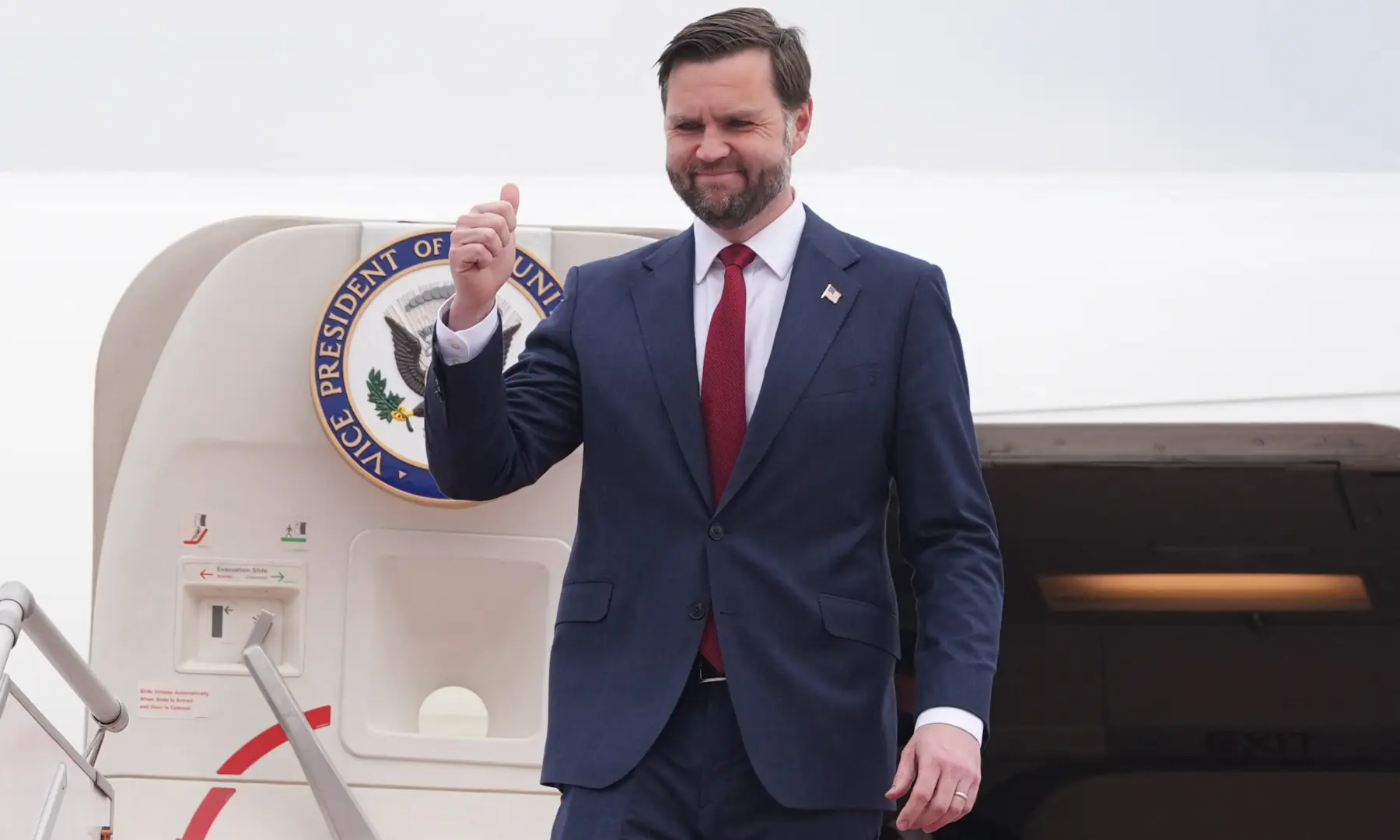
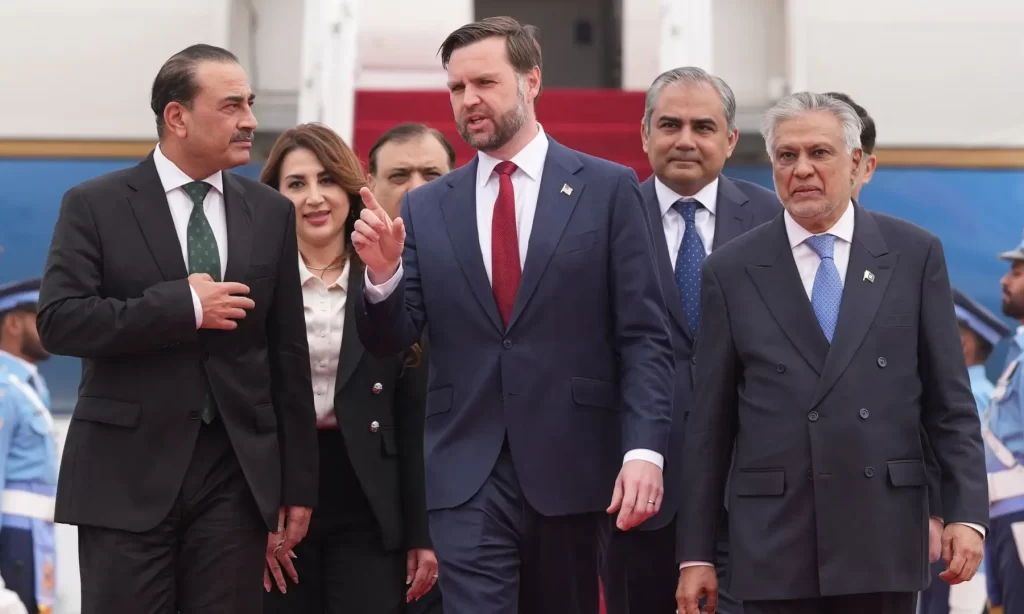
US Vice President JD Vance has landed in Pakistan for rare, high-stakes talks with Iranian leaders.
Negotiations unfolding under the fragile cover of a two-week ceasefire in the US-Israel war with Iran.
Welcomed by Ishaq Dar and military chief Asim Munir, Vance’s visit signals more than diplomacy—it’s a test.
Can dialogue succeed where weeks of conflict couldn’t?
The stakes are massive. Iran, led in talks by Mohammad Bagher Ghalibaf, came to the table only after securing key conditions.
A pause in Israeli strikes in Lebanon and access to billions in frozen assets.
“If those lines are crossed,” one official warned, “talks are off.”
Nuclear Talks Stalemate
Meanwhile, Washington wants limits on Iran’s nuclear programme. Tehran wants sanctions gone. And both sides? Still deeply suspicious.
Even Donald Trump struck a blunt tone, warning Iran it doesn’t have “many cards left.”
Analysts say don’t expect miracles. At best, this could set the stage for future negotiations.
At worst? A breakdown that sends tensions soaring again.
So here’s the real question: is this the beginning of peace—or just a pause before the next storm?