Is the United Kingdom edging closer to war—or carefully trying to stay out of it?
That’s the balancing act playing out in the Middle East right now.
London is sending more troops and advanced air defence systems to the Gulf.
Boosting its presence to around 1,000 personnel across the region and Cyprus.
The focus, officials insist, is purely defensive—protecting allies like Saudi Arabia, Bahrain, and Kuwait from escalating attacks linked to Iran.
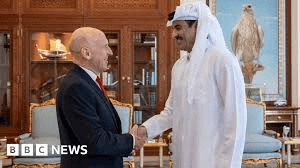
Defence Secretary John Healey put it simply: “Britain’s best will help you defend your skies.”
That includes Typhoon jets in Qatar and missile systems like Sky Sabre—designed to intercept threats mid-air.
UK Limits Involvement
But here’s the twist. Prime Minister Keir Starmer is firm: “This is not our war.” No British boots on the ground in Iran.
Not everyone’s impressed. Donald Trump has openly criticised the UK, urging allies to “fight for themselves” and secure oil routes like the Strait of Hormuz.
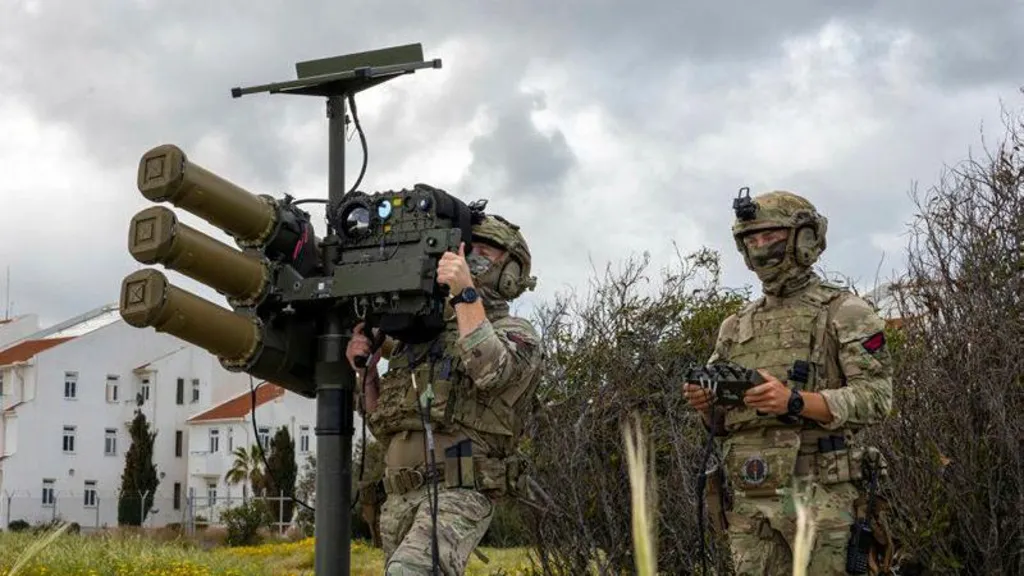
Behind the scenes, coordination continues—military planners, naval support, even drone operations to clear mines if needed.
So what’s the strategy here? Stay defensive, avoid escalation, but remain ready.
Because in a region this volatile, the line between “defence” and “involvement” can blur fast.