Ever wonder why filling up your car feels like a punch to the wallet lately? Blame the Strait of Hormuz.
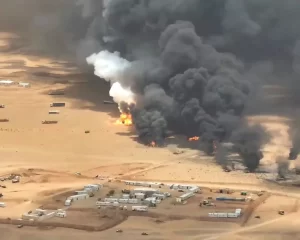
Oil prices jumped again Monday after fresh attacks on Middle East energy facilities, with Brent crude hitting $104 a barrel and WTI nudging just below $100.
That’s a 40% surge since the US-Israeli strikes on Iran triggered Tehran to effectively close the vital chokepoint.
About a fifth of the world’s oil usually flows through it.
The war shows no sign of cooling. US strikes on Iran’s Kharg Island raised alarms—even if the military aimed at targets, not oil facilities.
Debris from a downed Iranian drone also hit a UAE terminal, halting operations.
Global Market Risks
“Markets are still concerned about further escalation,” said Jim Reid, Deutsche Bank’s head of macro research, adding investors are pricing in a protracted conflict.
Washington is scrambling to respond. Trump urged allies to send warships to reopen the strait.
He approved new US oil projects, including BP’s Gulf of Mexico venture and offshore rigs in California.
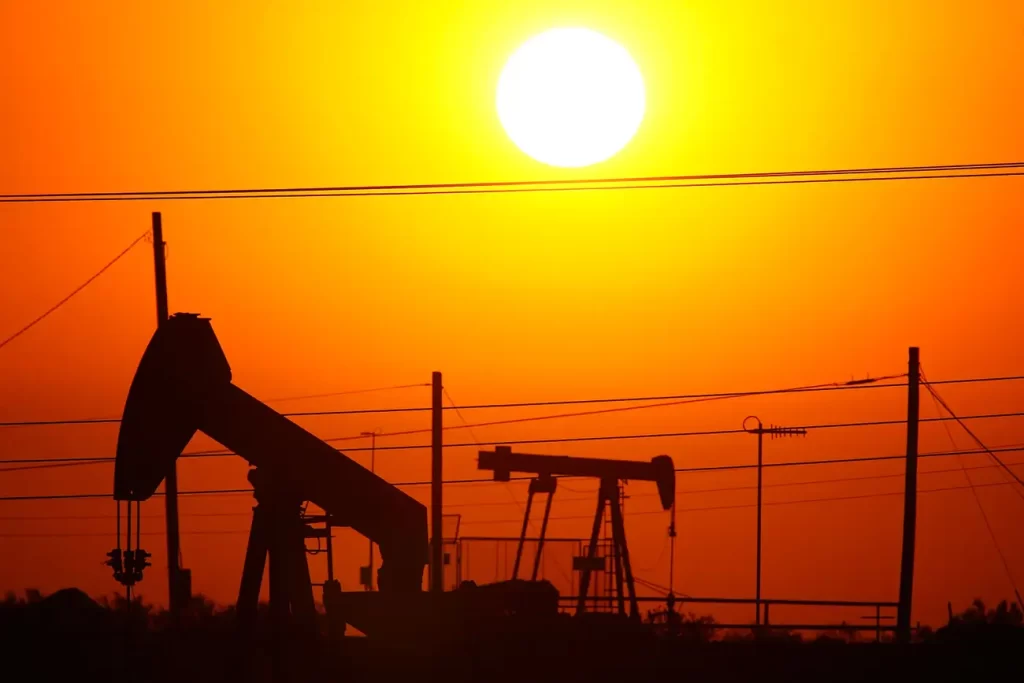
Oil futures climbed on Sunday as the Iran war showed no signs of slowing down.
Meanwhile, the International Energy Agency plans to release 400 million barrels of emergency oil.
Much won’t hit markets until the end of March.
It’s not just gas prices. Fertilizers and perishable goods are at risk too, meaning your grocery bill could spike next.
So, while the Strait of Hormuz stays blocked, it’s not just oil—it’s dinner, transport, and wallets caught in the crossfire.