
What does the battlefield of the future actually look like?
In Yangpyeong, it’s already taking shape — and humans aren’t leading the charge.
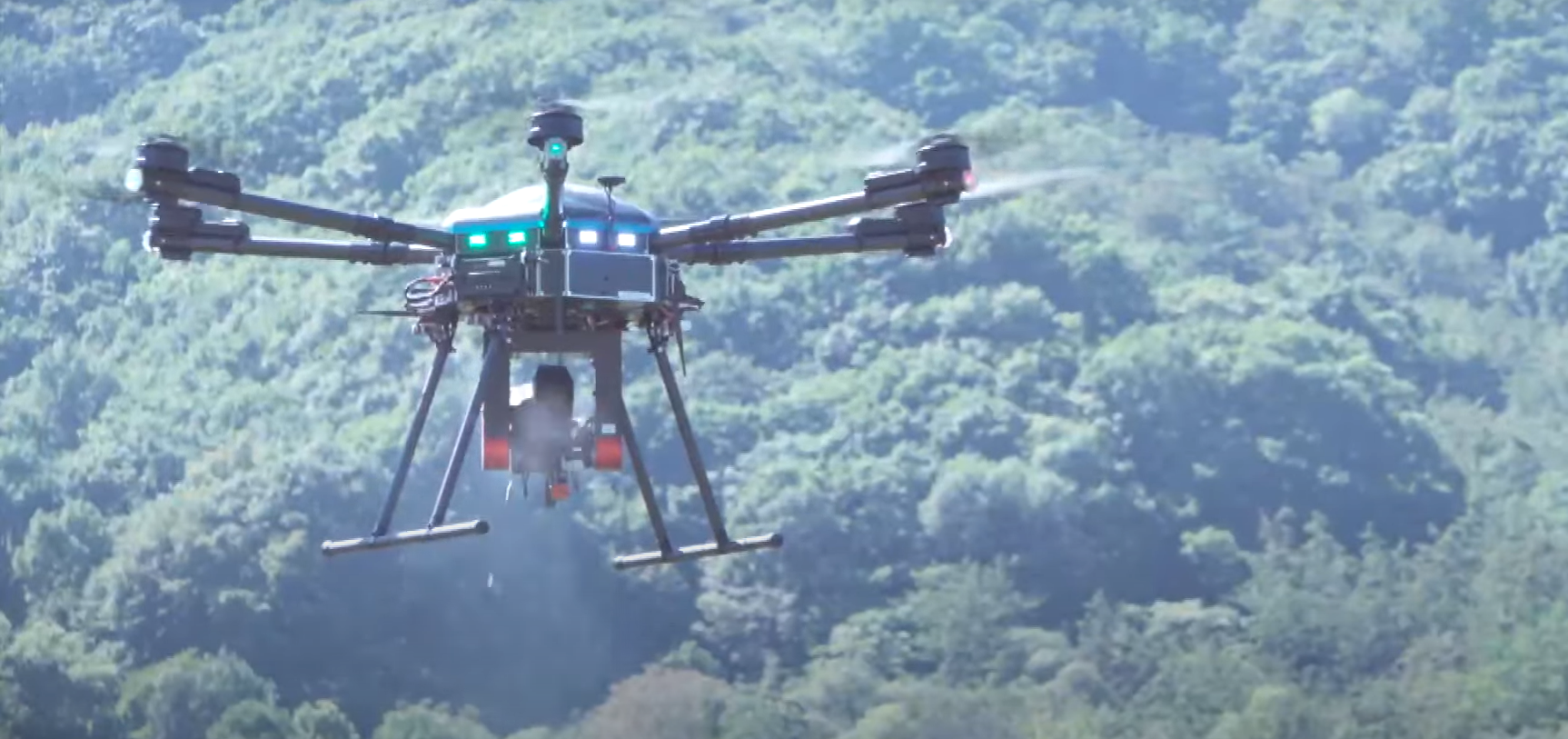
Picture this: drones buzzing overhead, streaming live footage of enemy positions.
On the ground, robotic dogs and bomb-disposal machines move first, scanning for landmines.
Only then do soldiers and armoured vehicles begin to advance. Sounds like science fiction, right? Not anymore.
During a high-tech military drill, South Korea showcased how artificial intelligence and unmanned systems could redefine combat.
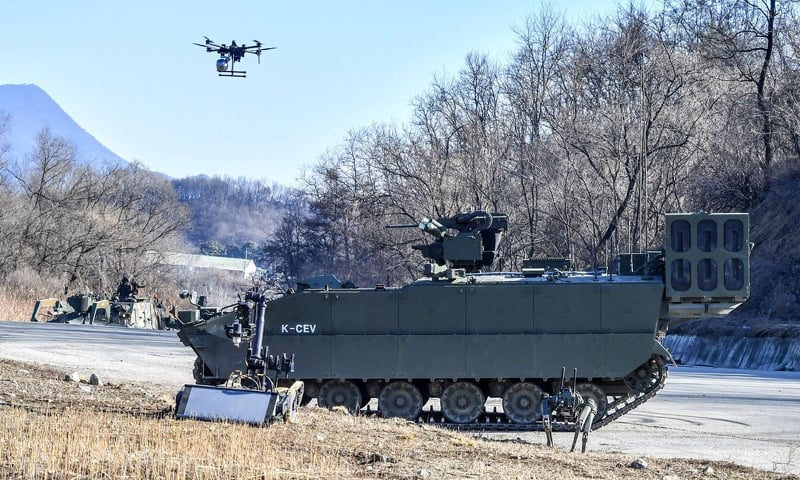
An AI-powered weapon system tracked targets, while the Korean Combat Engineer Vehicle (K-CEV) cleared a safe path through dangerous terrain.
Rise Of Unmanned Warfare
Why the shift? Fewer soldiers. More complex threats.
“Unmanned systems reduce risk and speed up operations,” a military official explained — a simple idea with huge implications.
Built on the K21 vehicle platform, the K-CEV can carry troops, navigate tough environments, and even operate remotely — at least within range.
It’s not fully autonomous yet, but it’s getting there.
The big question is hard to ignore: if machines take the front line, what happens to the role of human soldiers?
One thing’s clear — the future of war isn’t coming. It’s already here, quietly rolling forward on metal tracks.