
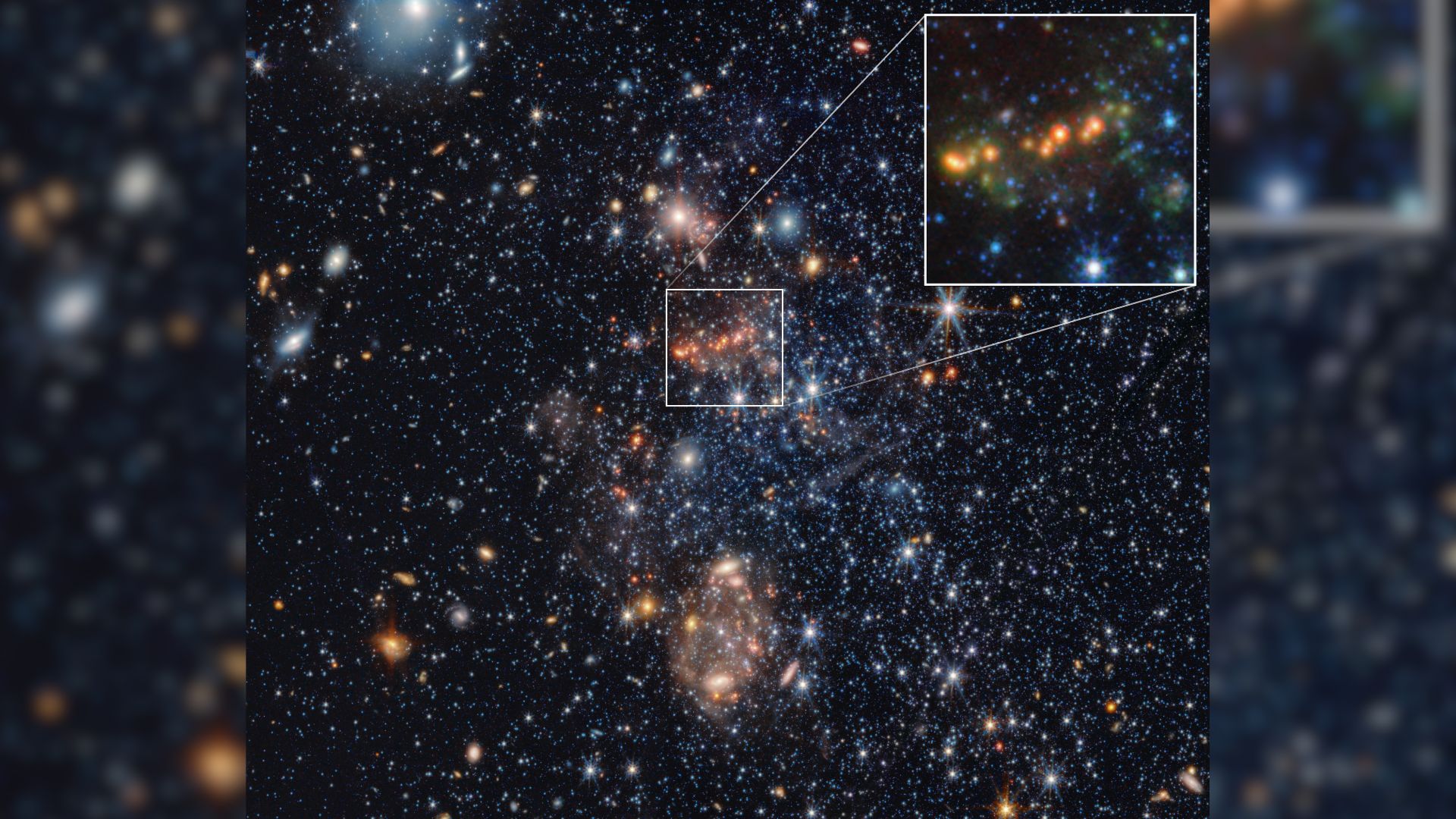
Some stars burn bright. Others burn wild. And then there’s WOH G64 — the cosmic equivalent of Jimi Hendrix. Massive, brilliant, unpredictable.
Located in the Large Magellanic Cloud, about 160,000 light-years away, WOH G64 is 28 times heavier than our Sun and 300,000 times brighter.
If it replaced the Sun, it would stretch past Jupiter — almost to Saturn. Imagine circling it at light speed. It would take six hours.
But here’s the twist: it’s changing — fast.
In 2014, astronomers watched it shift from a red supergiant to a yellow hypergiant. No explosion. No dramatic outburst.
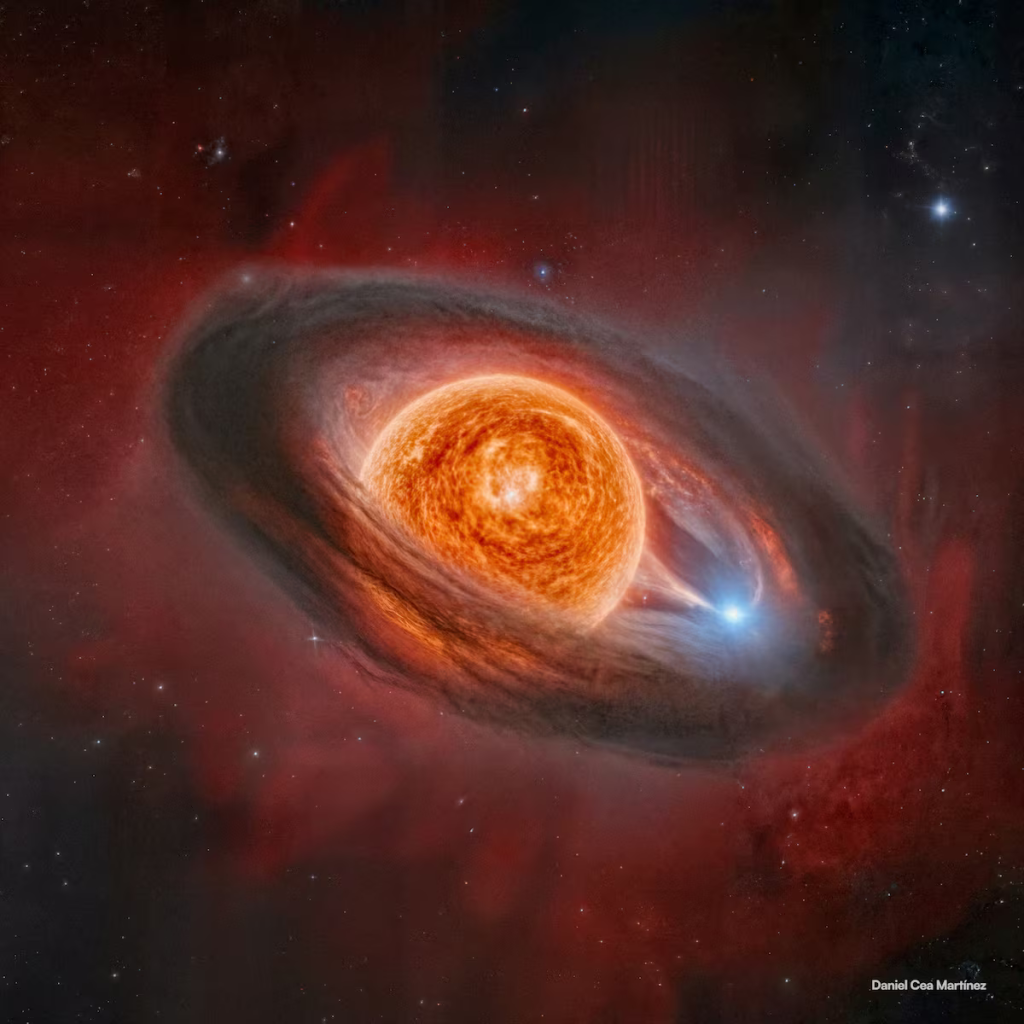
Stellar Mystery Deepens
Just a sudden color change and a spike in surface temperature. In cosmic terms, that’s like a blink.
“Typically the evolution of a star takes billions of years,” said astronomer Gonzalo Muñoz-Sánchez. “No current stellar models can fully explain this transformation.”
So what’s going on? Stars of this size sit in a gray zone. Do they explode as supernovae?
Collapse into black holes? Or morph into something else first?
To complicate things, WOH G64 isn’t alone — it appears to have a stellar companion. Could they merge someday?
Ten million years old and nearing its finale, this star may finally help scientists answer a long-standing mystery.
Rock stars flame out fast. Maybe the universe does too.