
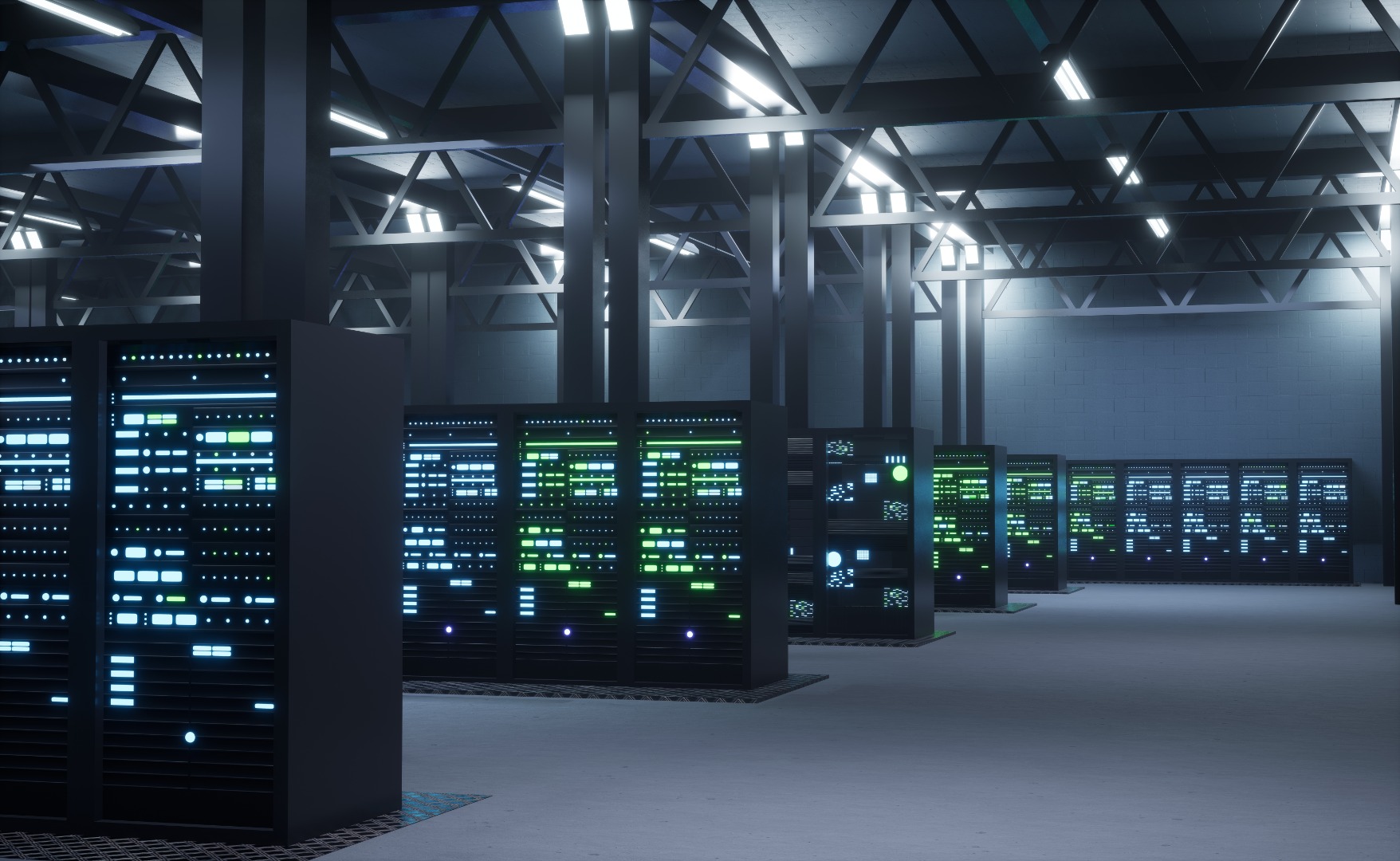
China wants to take AI to space—and it’s not waiting around.
Beijing plans to launch space-based AI data centres over the next five years, state media says.
It is setting up a direct challenge to Elon Musk’s vision of orbital computing.
Sounds sci-fi? It’s already on the drawing board.
China’s top space contractor, CASC, says it will build “gigawatt-class space digital-intelligence infrastructure”—basically massive, solar-powered data hubs in orbit.
The idea is simple: why burn energy on Earth when space offers near-limitless sunlight?
Orbital AI Ambitions
These centres would process data in space itself, blending computing power, storage and high-speed transmission.
China calls it a future “Space Cloud.”
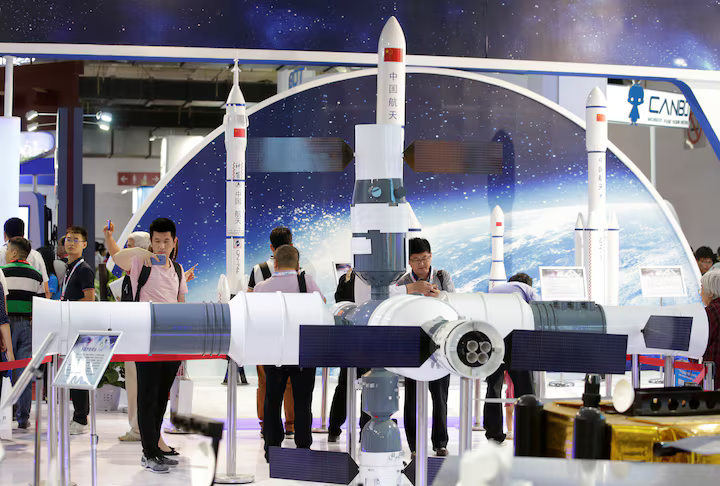
Musk agrees with the logic. Speaking at Davos, he called orbital AI centres “a no-brainer.”
Arguing that solar panels in space can generate five times more power than those on the ground.
SpaceX plans to deploy its own AI satellites within two to three years.
But there’s a catch. China still lacks a proven reusable rocket.
Something SpaceX’s Falcon 9 has mastered, slashing launch costs and dominating low-Earth orbit.
Still, Beijing is thinking long-term. From AI satellites to space tourism and deep-space navigation schools, the message is clear.
The next tech arms race won’t just be online. It’ll be overhead.