
So, what happens when a former president tries to declare martial law — and then gets caught in the fallout?
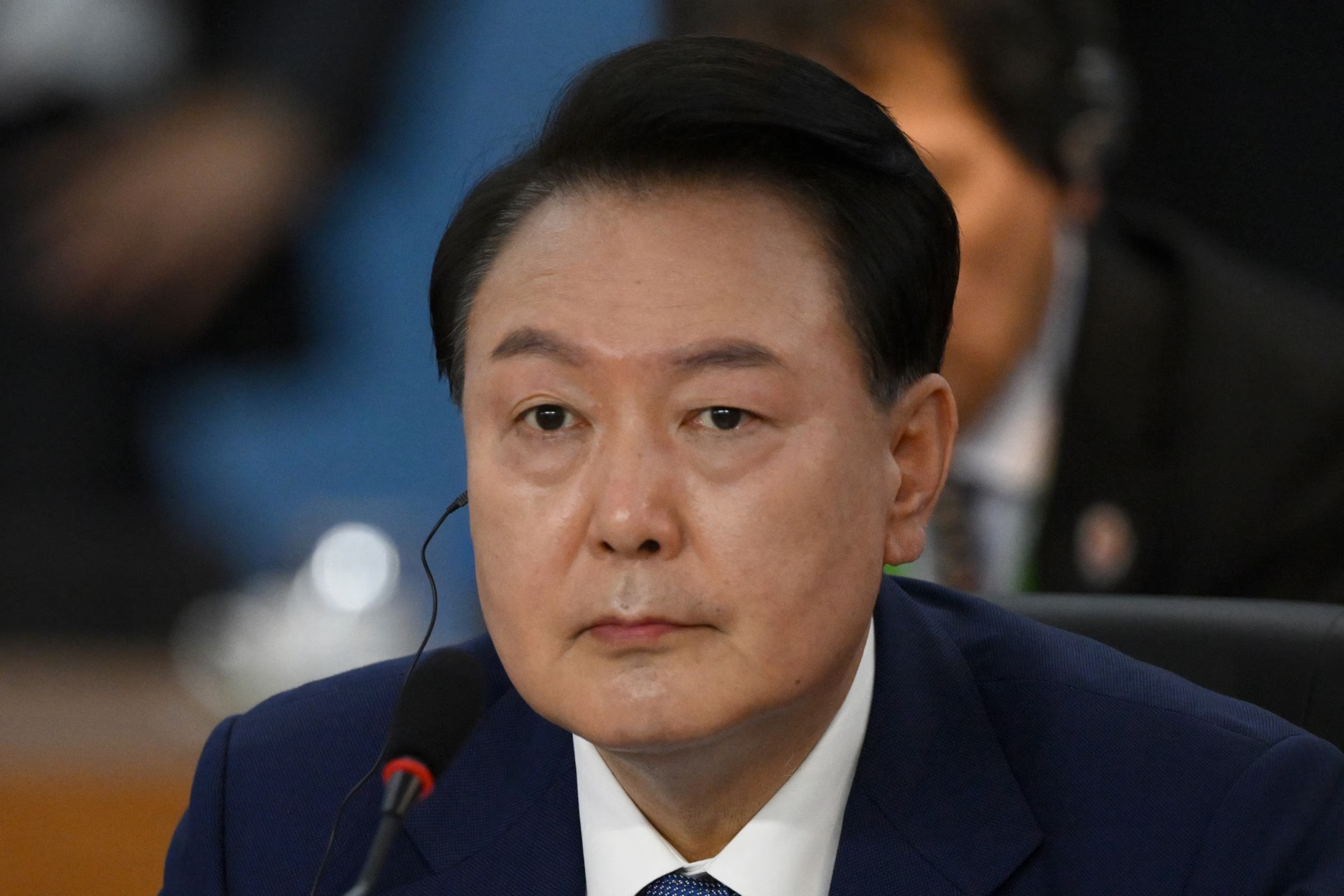
In South Korea, it means a courtroom showdown, massive protests, and now a five-year prison sentence for former president Yoon Suk Yeol.
A Seoul judge ruled that Yoon obstructed justice by blocking investigators from detaining him.
He abused his power by turning presidential security officials into “personal guards.”
Judge Baek Dae-hyun said Yoon even excluded cabinet members from a martial law planning meeting.
It was a serious breach of constitutional duty.
“Despite having a duty, above all others, to uphold the constitution… the defendant instead displayed an attitude that disregarded the… constitution,” the judge said.
“The defendant’s culpability is extremely grave.”
But Yoon wasn’t found guilty of forging documents due to lack of evidence — and he still has seven days to appeal.
Presidential Immunity Questioned
His lawyers argue the verdict blurs the line between presidential authority and criminal liability.
“If this reasoning is allowed to stand, no future president will be able to act decisively in times of crisis,” lawyer Yu Jeong-hwa warned.
Meanwhile, prosecutors have another case ready — they want Yoon sentenced to death for allegedly leading an insurrection.
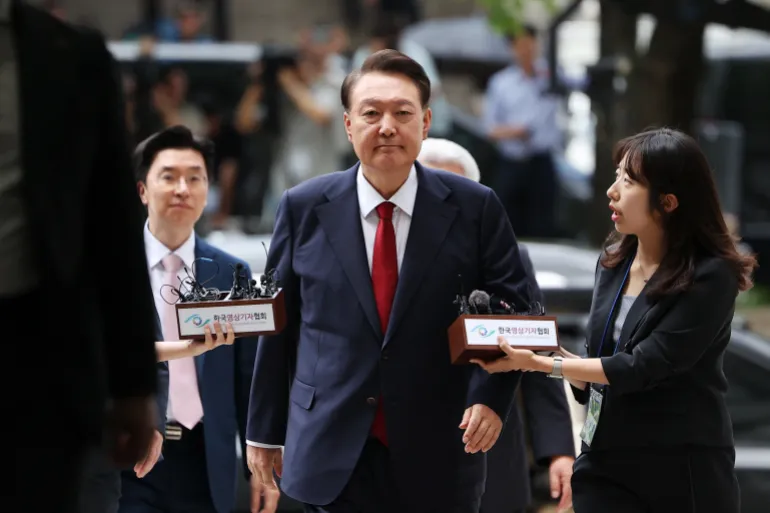
A verdict on that is expected on Feb 19, though executions have been unofficially halted in South Korea since 1997.
So, the big question remains: was this a power grab, or a desperate attempt to “protect the nation”?
Either way, the story is far from finished — and the next court ruling could be even more explosive.