

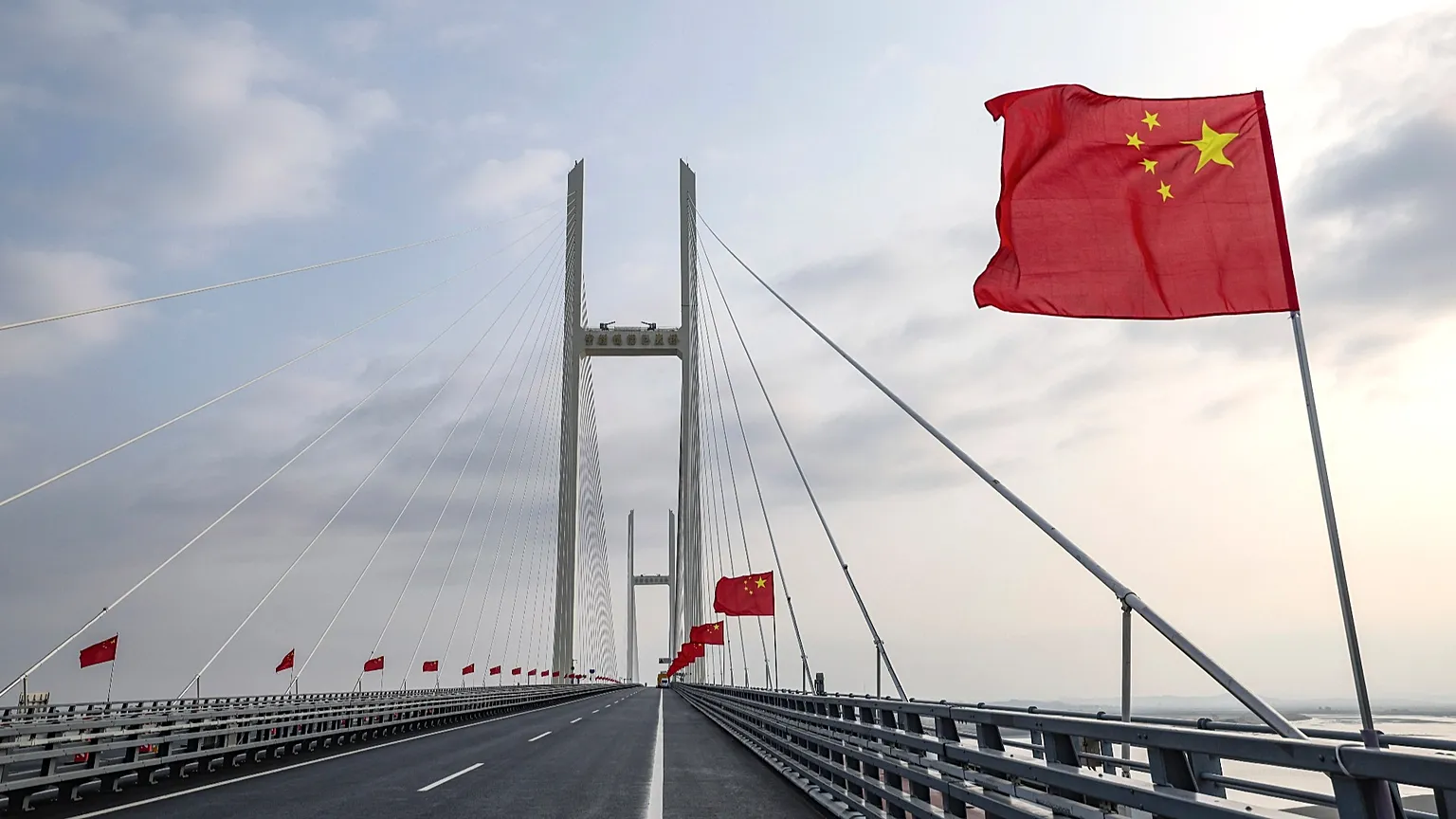
China and North Korea have opened a long-delayed road bridge, signalling improving relations between the neighbours.
Beijing seeks to strengthen its influence over Pyongyang.
The 3km New Yalu River Bridge connects Dandong in China with Sinuiju in North Korea.
Originally scheduled to open in 2014, the project stalled when North Korea halted construction of connecting roads and customs facilities amid strained ties.
Chinese Premier Li Qiang called the bridge a “new landmark symbolising the traditional friendship” between the two countries.
It is expected to become their main land route for trade, replacing some reliance on the decades-old Sino-Korean Friendship Bridge.
But will the new crossing trigger a trade boom? Experts are cautious.
Bilateral trade reached $2.7bn last year, largely driven by Chinese exports.
But UN sanctions and North Korea’s concerns about Chinese economic influence could limit rapid growth.
China Rebuilds Diplomatic Ties
Relations deteriorated during the 2010s over Pyongyang’s nuclear weapons programme.
More recently, North Korea has strengthened ties with Russia, prompting Beijing to rebuild its own relationship with Kim Jong Un’s government.
China has resumed direct flights and passenger train services with North Korea, while President Xi Jinping visited Pyongyang in June.
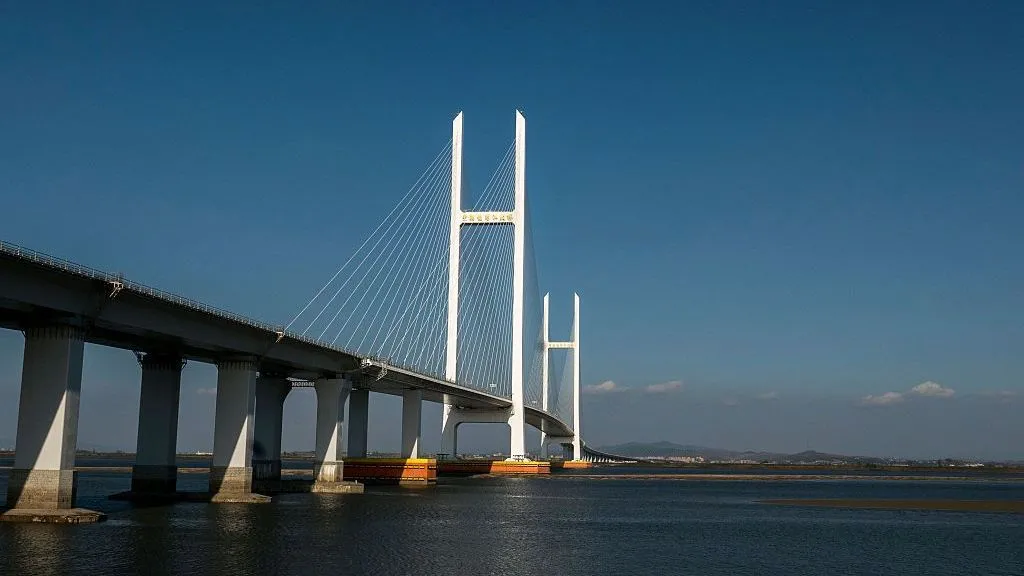
Analysts say the bridge reflects this diplomatic thaw.
Yet North Korea’s long history of isolation shows that closer ties do not necessarily mean an easier partnership.
The new bridge may connect two countries physically, but rebuilding trust could take considerably longer.