

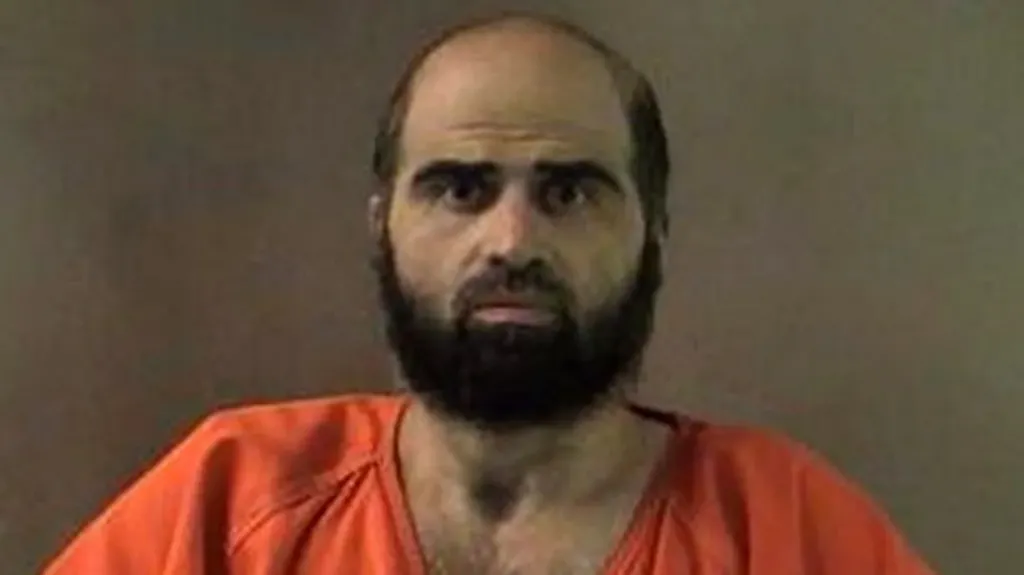
The US government plans to livestream the execution of former Army major Nidal Hasan.
This raises serious questions about justice, transparency and how far public punishment should go.
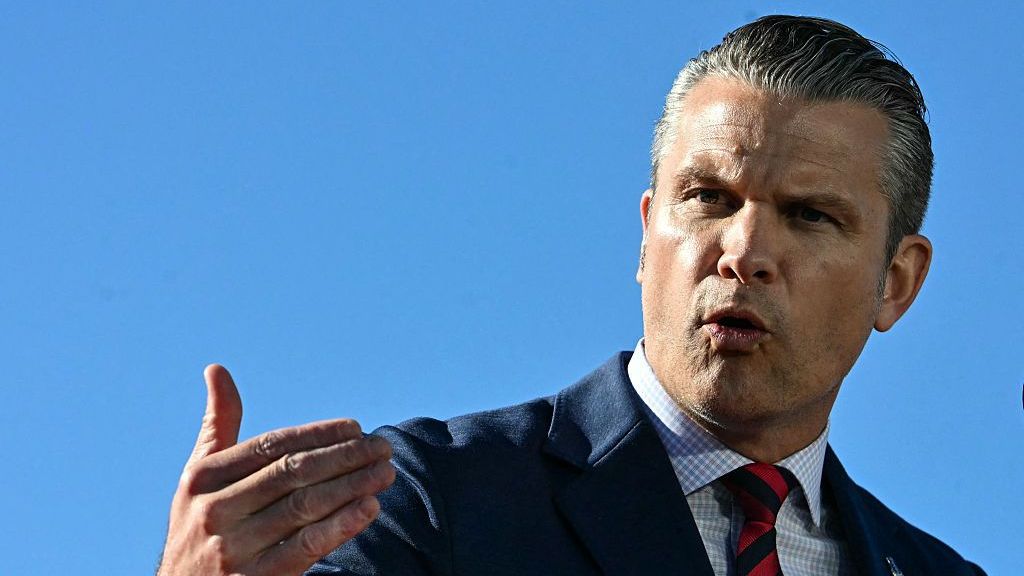
Defence Secretary Pete Hegseth said the public would be able to watch Hasan’s execution by firing squad, scheduled for December 3 at Fort Hood, Texas.
Hasan killed 13 unarmed soldiers in a 2009 shooting at the military base.
“People need to understand that there’s serious consequences for these types of things,” Hegseth said.
But the decision has sparked legal and ethical concerns.
John Mills, a lawyer who works with death-row inmates, called the proposed livestream “unprecedented in the modern era”.
He noted that Hasan’s appeals process is not yet complete and could delay the execution for years.
Yale law lecturer Eugene Fidell also criticised the plan, calling it “out of the Middle Ages”.
Justice or Public Spectacle
Public executions remain rare worldwide, and experts say no US execution has previously been livestreamed.
There is also uncertainty over where the broadcast could appear, as major platforms including YouTube, TikTok and Meta restrict graphic depictions of death.
Hasan’s execution would be the first US military execution in more than six decades.
The last military firing-squad execution took place in 1945.
The debate now goes beyond Hasan’s crimes: if punishment is meant to deliver justice.
Does turning an execution into a public broadcast serve that purpose or turn it into a spectacle?