
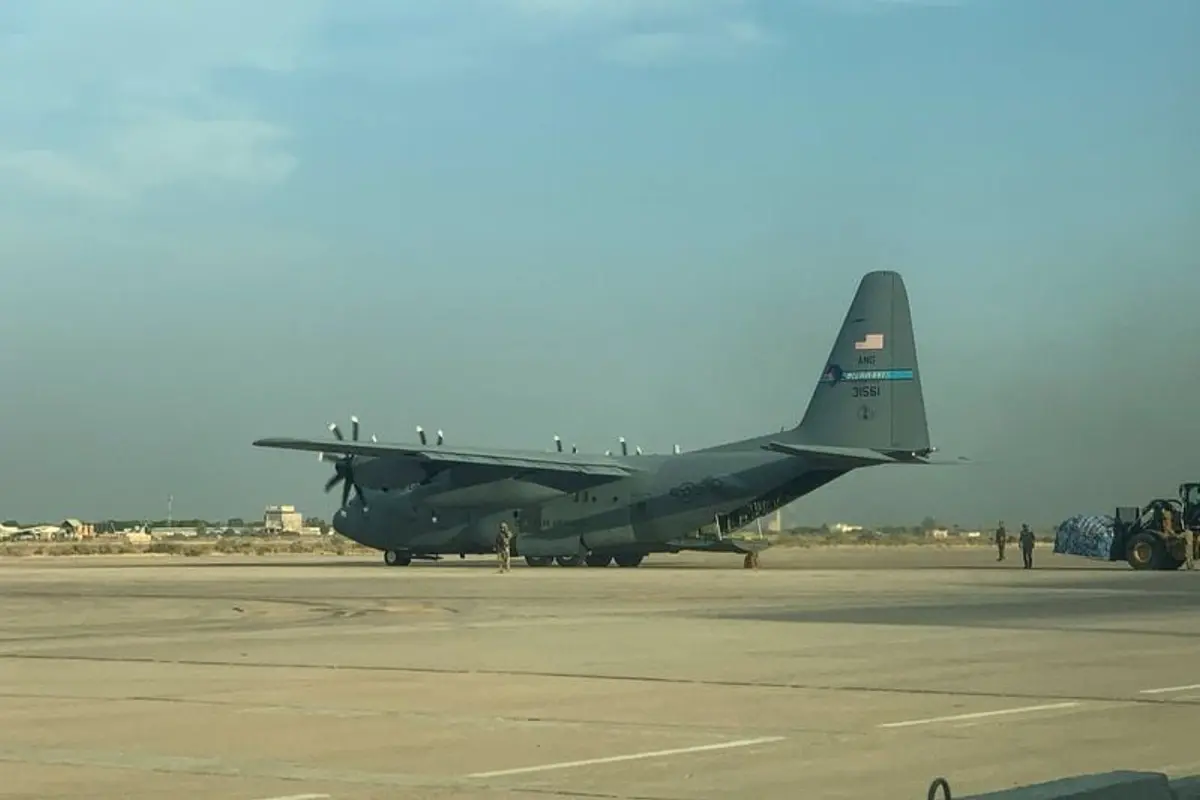
US forces have withdrawn from their remaining bases in Iraq, ending more than two decades of American military presence.
This is raising fresh questions about what comes next.
The departure was agreed in 2024 and completed by the Trump administration.
Many Iraqis welcomed the return of greater national sovereignty.
But could the exit also create space for Iran-backed militias and Islamic State to expand their influence?
Iraqi analysts and security officials warn that possibility cannot be ignored.
The US had provided Iraqi forces with intelligence, surveillance and logistical support, capabilities that Baghdad must now maintain largely on its own.
Security Vacuum Concerns
Islamic State no longer controls territory as it once did, but its sleeper cells remain active.
“The lesson from the past two decades is that security vacuums can be extremely dangerous,” said Iraqi analyst Jassim al-Bahadli.
For Iran and its allied armed groups, meanwhile, the withdrawal is being portrayed as a major victory.
Tehran has steadily expanded its influence in Iraq since Saddam Hussein was toppled in 2003.
So, after years of war and intervention, Iraq faces a familiar challenge: can its own security institutions fill the space left behind?
The American departure may close one chapter of Iraq’s turbulent history. What follows could determine how the next one is written.