
Malaysia has begun sending thousands of asylum seekers back to Myanmar under a controversial agreement.
The agreement is with the country’s military government, prompting warnings from human rights groups.
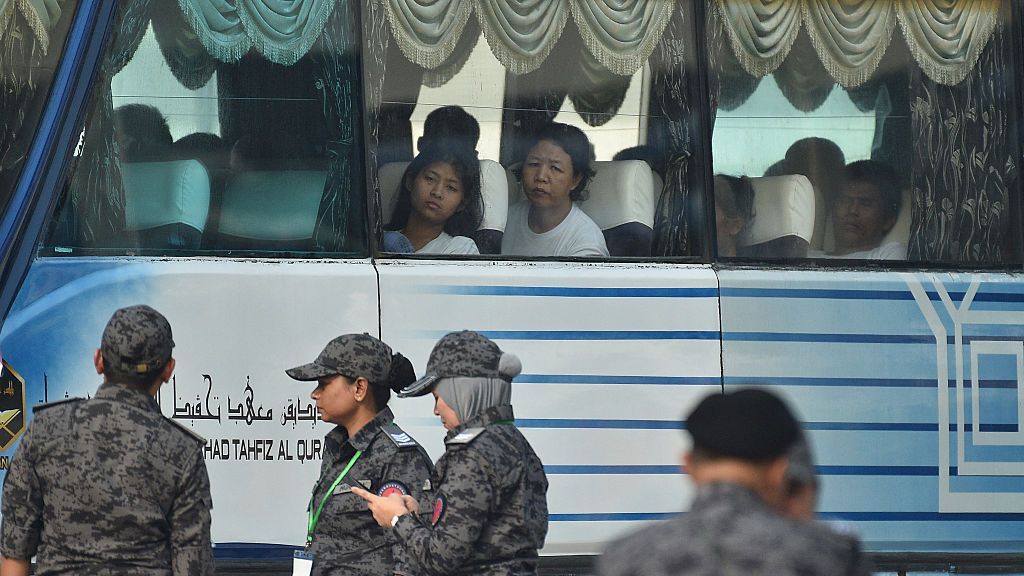
Three Myanmar navy ships carried the first 1,476 returnees from Malaysia on Tuesday, with about 5,000 people expected to be repatriated.
Kuala Lumpur says the returns are voluntary, but the UN refugee agency has been prevented from screening those held in detention centres.
The biggest question is simple: where will they go?
For Rohingya refugees, returning to Myanmar could mean renewed persecution, violence or forced military service.
More than a million Rohingyas have fled the country following military operations that the UN says may amount to genocide.
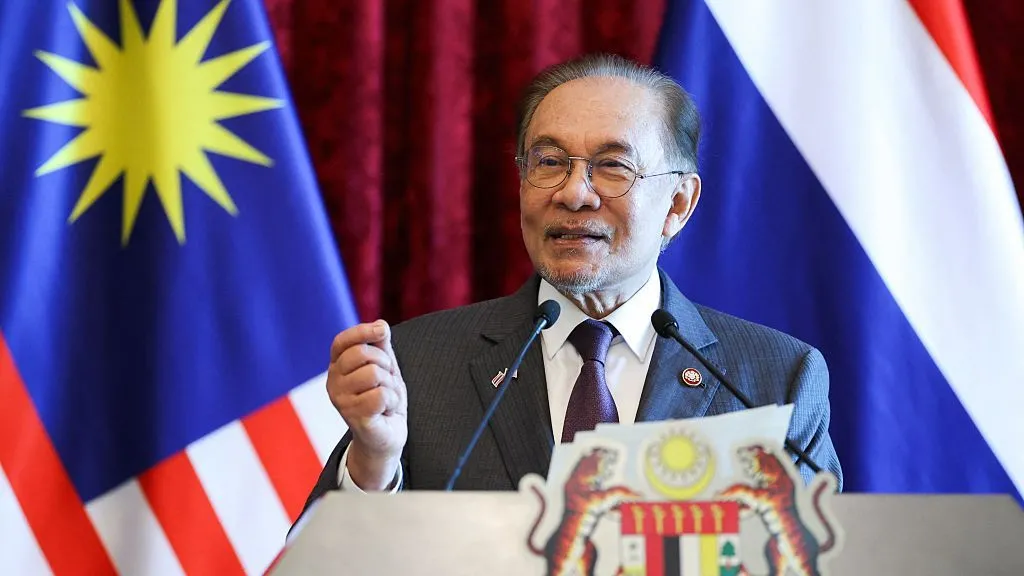
Prime Minister Anwar Ibrahim says growing public hostility and economic pressure have left his government with little choice.
He has described Rohingyas as a “security burden” and “economic burden”, drawing criticism from former supporters.
Return Remains Risky
Analyst Tricia Yeoh says Anwar is “at his weakest point”, facing political pressure from coalition partners and declining public support.
Yet returning people to Myanmar remains deeply complicated.
Many Rohingyas lack citizenship or documents, while much of Rakhine State is affected by fighting and humanitarian shortages.
As refugee advocate Nur Sadek put it, people may dream of returning home.
But only “because it is safe and because we choose to”, not because they are forced.
For those being sent back, the journey home may lead somewhere they cannot safely call home.