
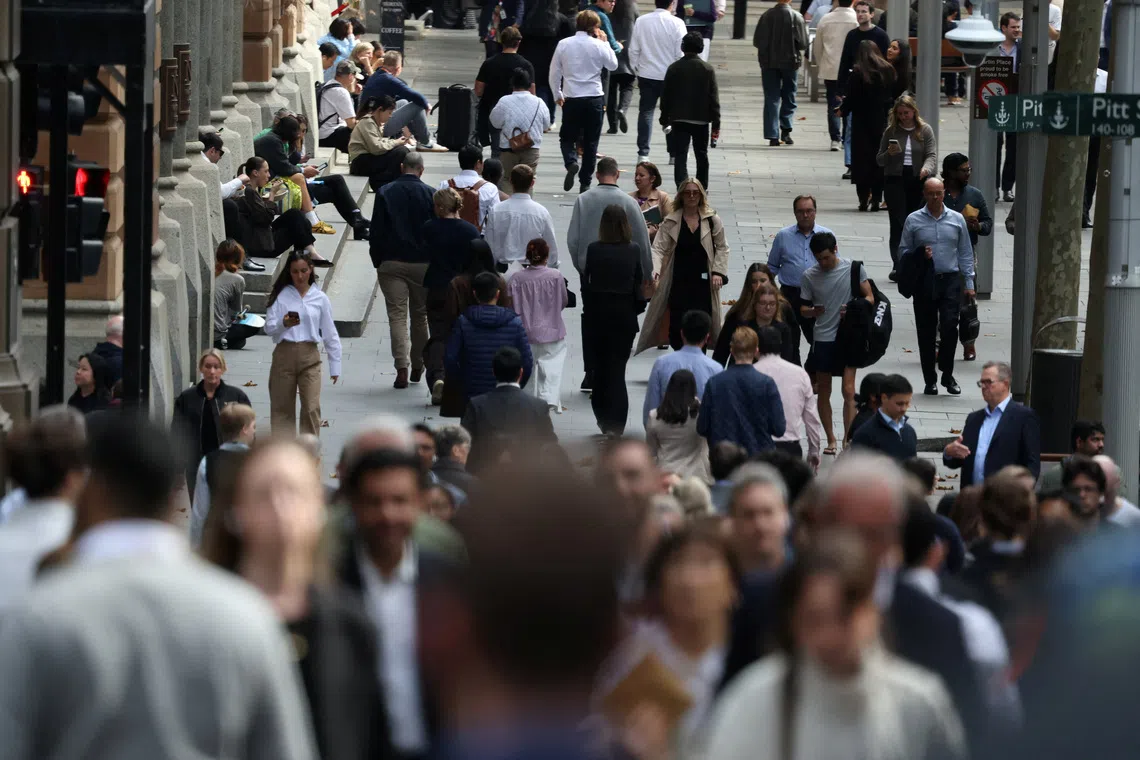
Australia is heading towards a major demographic shift.
The government is forecasting that deaths could outnumber births for the first time in the 2060s.
For decades, immigration has helped Australia maintain population growth despite declining birth rates.
But as migration slows, the country is beginning to face a challenge already confronting several other developed economies.
Treasury expects population growth to average just 0.9% a year over the next four decades, compared with 1.4% over the previous 40 years.
So what happens as the population ages and fewer babies are born?
Treasurer Jim Chalmers warned that the number of Australians aged over 85 is expected to triple by 2066.
This will put increasing pressure on healthcare and other support services.
Demographic Pressures Grow
The government’s latest Intergenerational Report identifies ageing, artificial intelligence, geopolitical fragmentation as major forces shaping Australia’s future.
The energy transition and the shift towards a service-based economy are also major forces shaping Australia’s future.
An older population will also mean greater demand for healthcare and aged-care workers, particularly in regions already facing labour shortages.
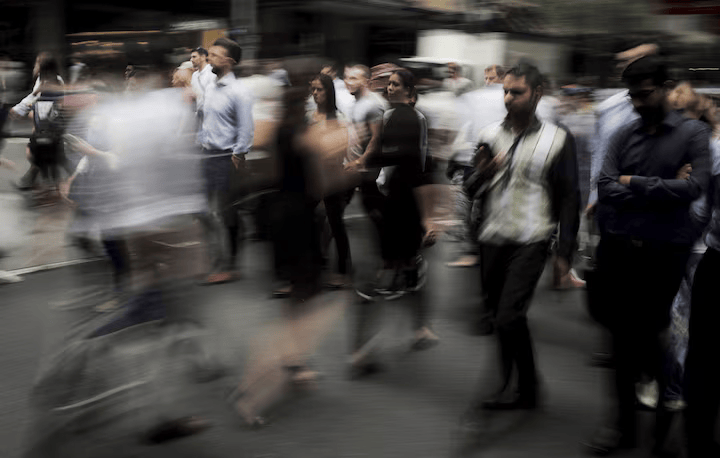
Meanwhile, immigration policy is tightening as the government responds to domestic political pressure.
Australia’s population may still grow for decades—but the demographic equation is changing.
The question is whether the country can adapt before the numbers force the issue.