

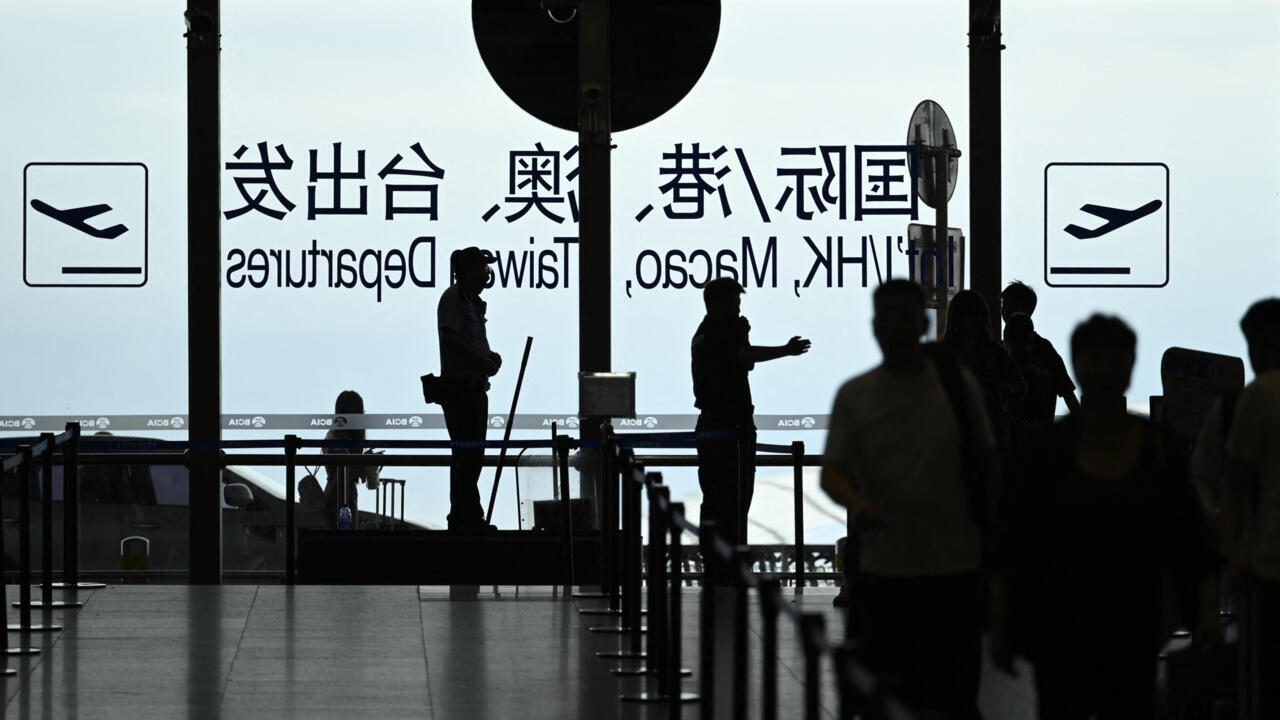
China has introduced new travel rules that could give authorities greater control over where some citizens go and what they do overseas.
Under the regulations, people judged to have harmed China’s national security or interests abroad can be stopped from leaving the country.
They can be stopped for up to three years after returning.
Those who breach technology export rules may also face exit bans.
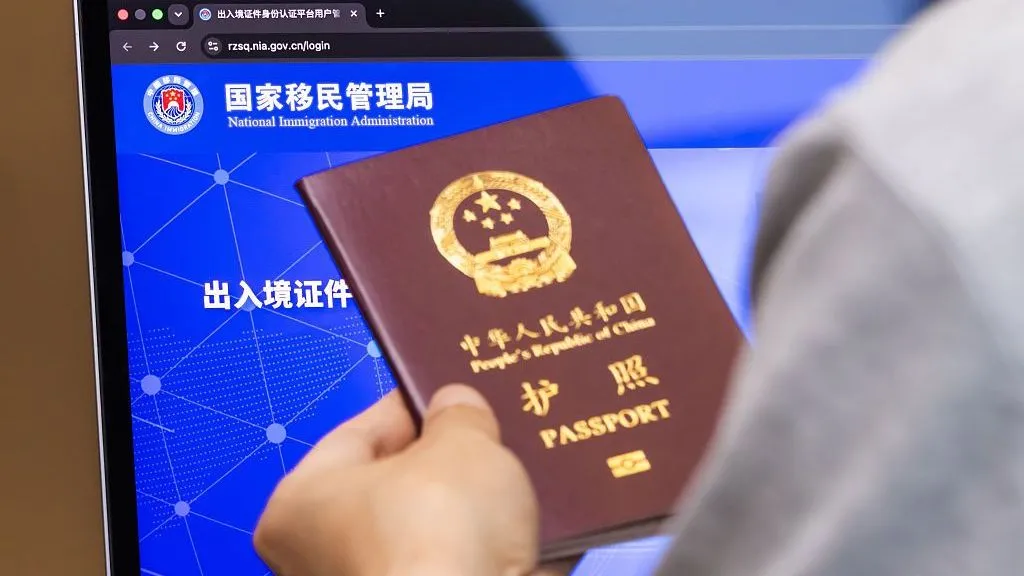
Beijing says the measures protect national security and do not target “ordinary citizens.” But critics see something broader.
“This is another tool designed to control what Chinese citizens do and say overseas,” said Georgetown law professor Tom Kellogg.
Growing Exit Restrictions
The concern is not entirely theoretical. A Chinese man known as Pipi said his passport application was rejected.
He had attended Hong Kong’s 2019 pro-democracy protests. He said an official simply told him: “You can’t go.”
How widespread are such restrictions? Data cited by the BBC shows court records mentioning exit bans rose from just 89 in 2016 to more than 188,000 last year.

Restrictions also affect some government and state-company workers, who may have to surrender passports or seek approval before travelling.
Kellogg says the trend reflects “growing ideological control” under Xi Jinping and brings back memories of China’s more isolated past.
For ordinary citizens, the bigger question may be simple: if leaving requires permission, how free is travel really?