

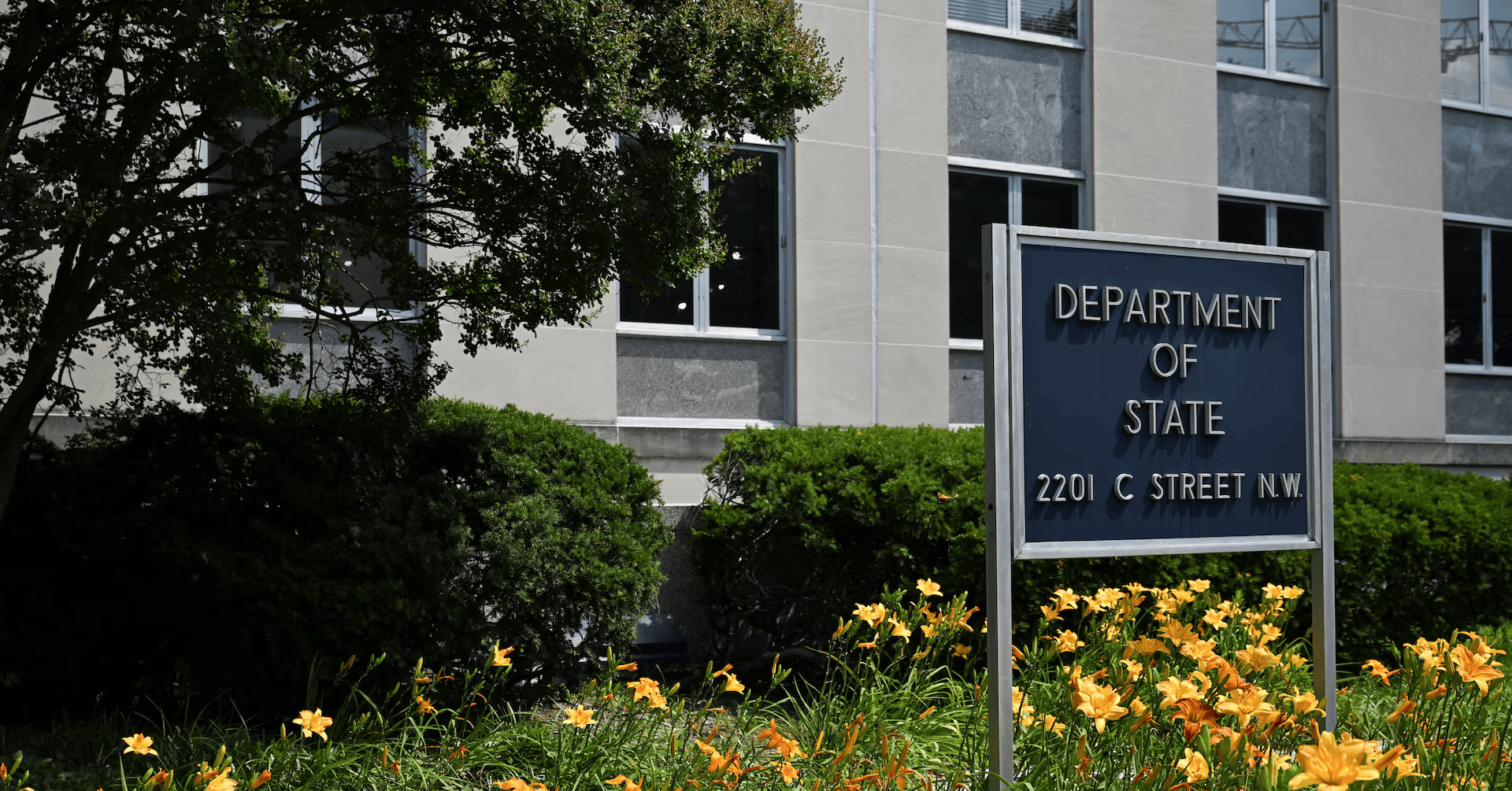
Is the United States quietly redrawing its diplomatic map?
According to people familiar with the matter, the State Department has informed Congress of plans to close five overseas missions.
The move marks one of the rarest reductions in America’s global diplomatic presence in recent years.
The proposed closures include the U.S. embassy in St. George’s, Grenada.
They also include consulates or diplomatic offices in Nagoya (Japan), Medan (Indonesia), Douala (Cameroon), and Winnipeg (Canada).
While the State Department has not officially confirmed the shutdowns, it says it is focused on maintaining an “efficient and effective” diplomatic network.
The move follows broader efforts by the Trump administration to streamline the federal government under its “America First” agenda.
Secretary of State Marco Rubio has defended cost-cutting reforms, arguing they are necessary to reduce bureaucracy and improve efficiency.
Diplomatic Closures Spark Debate
Critics, however, see a different picture. Former diplomats and Democratic lawmakers warn that shrinking America’s diplomatic footprint could leave room for rivals such as China and Russia.
Especially after cuts to foreign aid programs. They warn this could expand their influence.
Interestingly, some of the locations slated for closure, including Grenada, Nagoya and Medan, already host Chinese diplomatic missions.
As Washington weighs cost savings against global influence, one question lingers.
Can fewer doors abroad still open the same opportunities in international diplomacy?