
Can a peace deal survive when fighting is still raging on the ground?
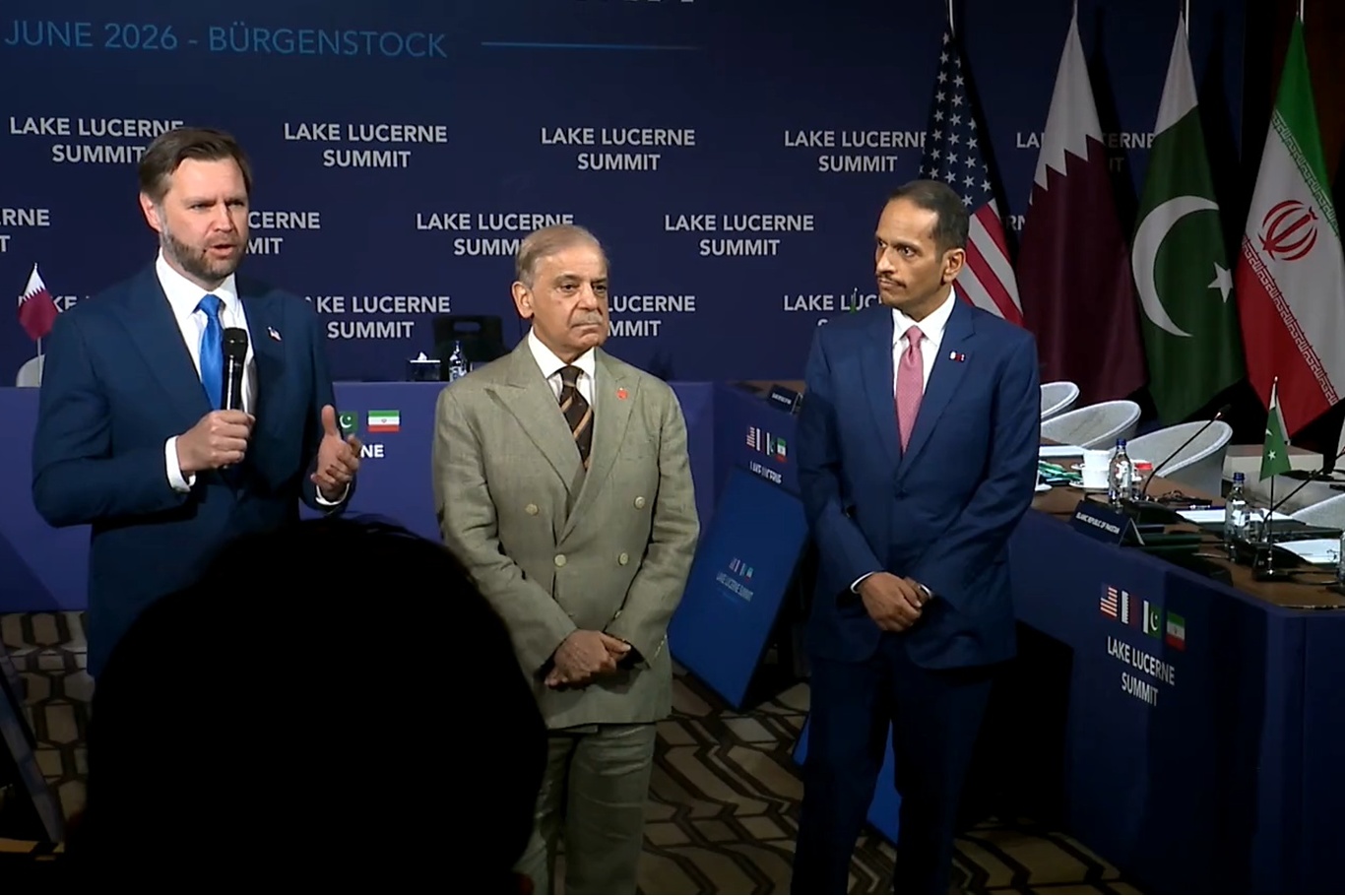
That’s the challenge facing US and Iranian negotiators as they begin direct talks in Switzerland.
Just days after signing an initial agreement aimed at ending the war.
The deal promised a path to peace: a final agreement within 60 days.
An end to hostilities across the region, and the reopening of the strategically vital Strait of Hormuz.
But reality has proven more complicated.
While diplomats gathered at the Swiss resort of Bürgenstock, fresh clashes between Israel and Iran-backed Hezbollah continued in Lebanon.
Iran responded by announcing the closure of the Strait of Hormuz.
Though shipping data suggested vessels were still moving through the key waterway.
Talks Face Major Test Amid Regional Tensions
President Donald Trump added pressure, warning Iran to immediately rein in its “proxies” in Lebanon or face severe consequences.
Vice President JD Vance struck a more diplomatic tone, saying Washington hoped to make progress on both Iran’s nuclear programme and regional stability.
Iran, meanwhile, insists its nuclear activities are peaceful.
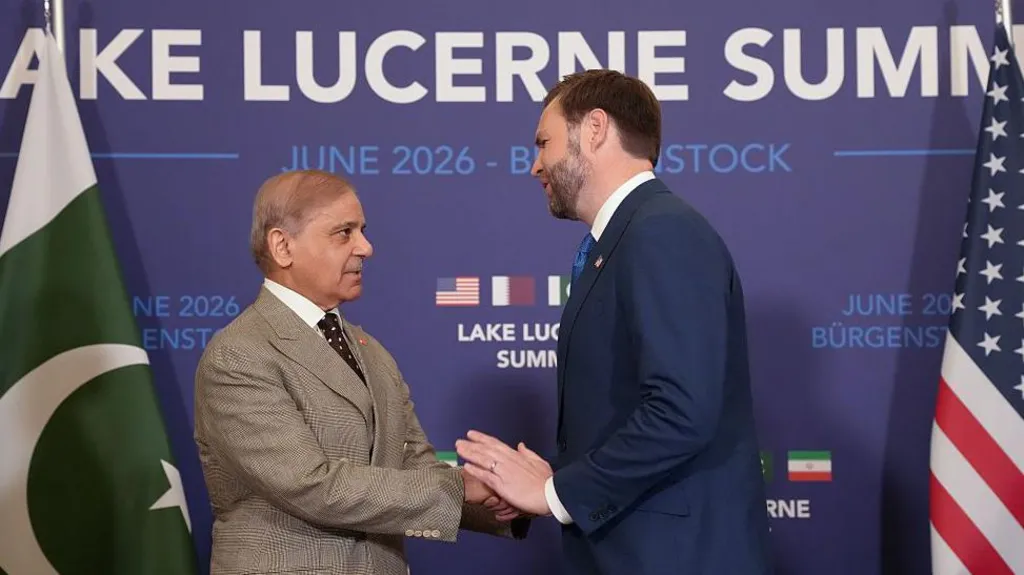
And says any lasting agreement depends on all sides honouring their commitments, especially the ceasefire.
With billions in sanctions relief, a proposed reconstruction fund, and global energy markets hanging in the balance, the stakes could hardly be higher.
For now, the talks offer hope. But in the Middle East, peace on paper and peace in practice are often two very different things.