

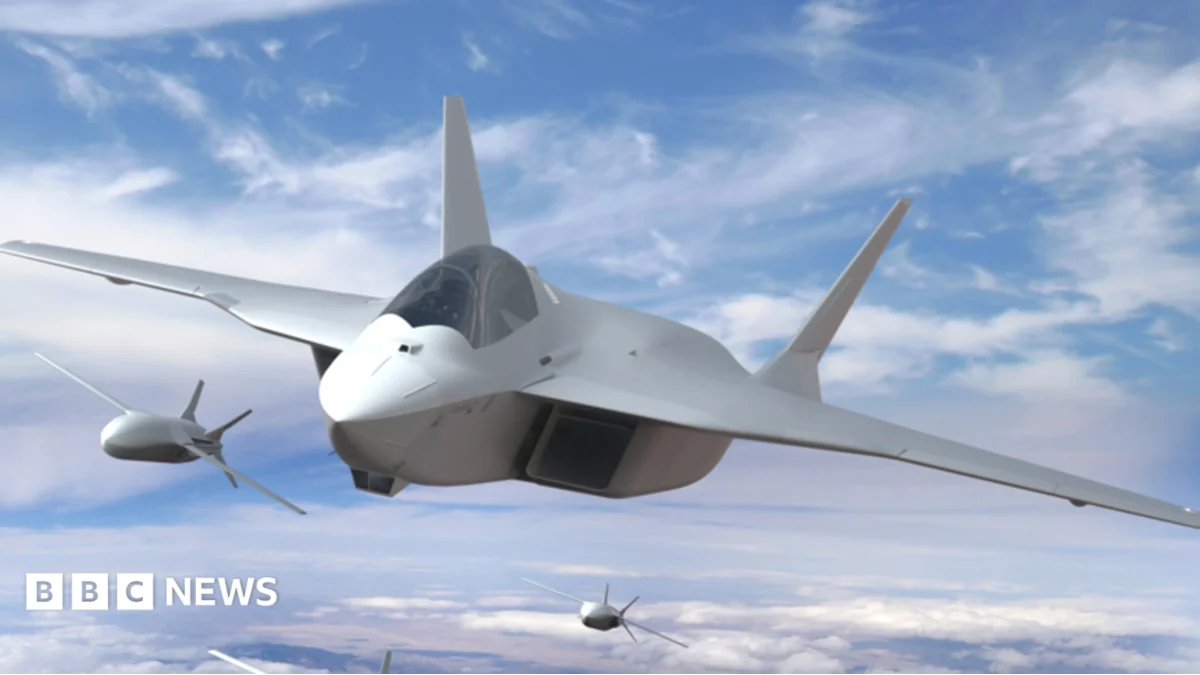
Europe’s dream of building a next-generation fighter jet together has hit a major roadblock.
After years of ambitious promises, Germany has decided to walk away from the joint fighter aircraft project it launched with France.
But why did a flagship defence partnership fall apart?
The fighter jet was the centrepiece of the Future Combat Air System (FCAS).
A programme unveiled in 2017 by French President Emmanuel Macron and former German Chancellor Angela Merkel.
At the time, it was hailed as a bold step toward a more independent and strategically united Europe.
But behind the scenes, cracks began to appear.
Industry giants Dassault Aviation and Airbus reportedly clashed over leadership, control, and how work should be divided.
Fighter Jet Project Collapses
At the same time, the two governments were pursuing different goals.
France wanted a lighter aircraft capable of operating from aircraft carriers, while Germany preferred a larger jet focused on air superiority.
“The project was conceived in a different world,” said air power analyst Christoph Bergs.
Pointing to the dramatic changes in defence priorities since Russia’s invasion of Ukraine.
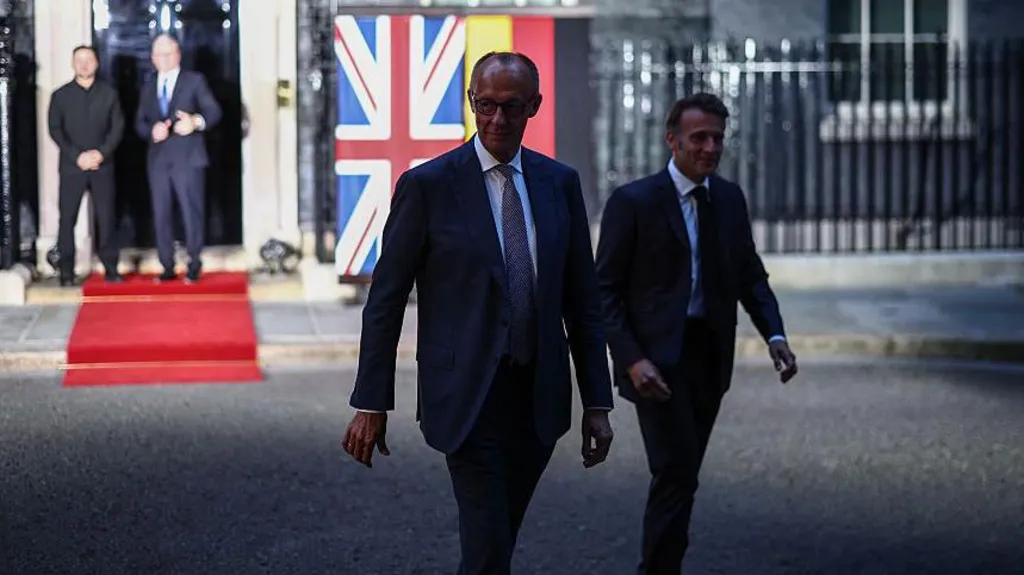
Germany’s growing defence budget and evolving military needs appear to have reduced its appetite for compromise.
Chancellor Friedrich Merz had already questioned whether a manned fighter jet would still be relevant decades from now.
For Europe, the collapse is more than an industrial setback.
It raises a bigger question: can European defence ambitions survive when national priorities begin pulling in different directions?