

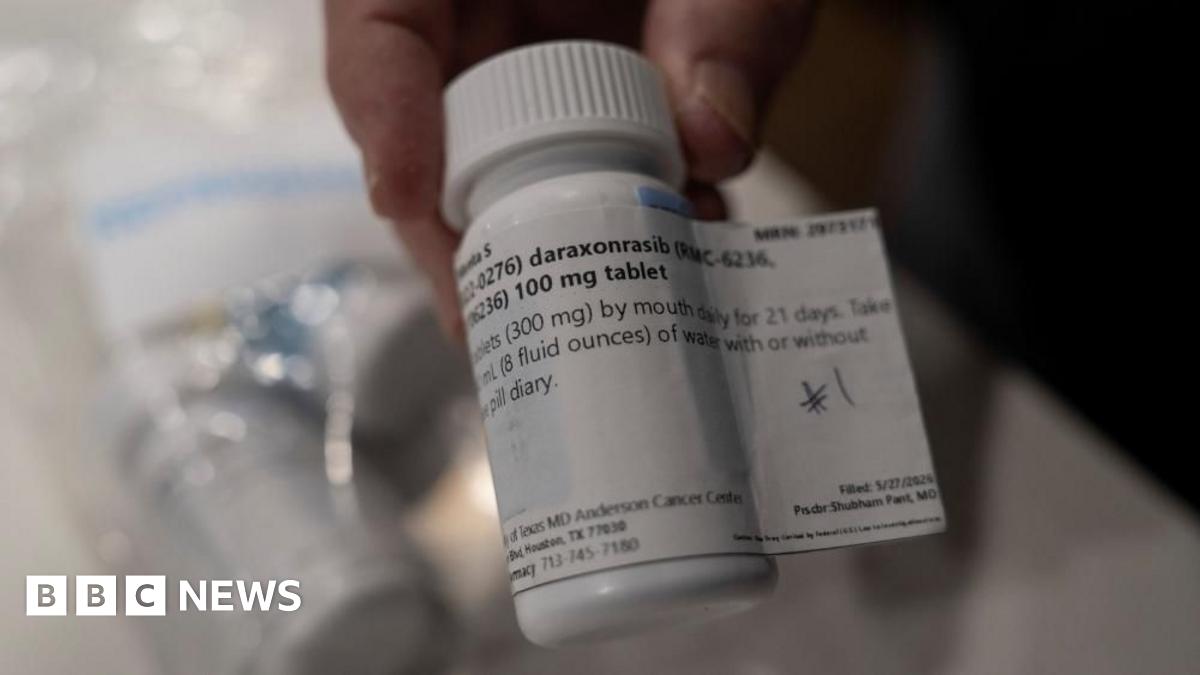
Could a single daily pill finally change the outlook for one of the deadliest cancers in the world?
Scientists believe a new drug may have done just that.
Researchers say a treatment called daraxonrasib has nearly doubled survival times for patients with advanced pancreatic cancer.
Offering fresh hope against a disease that has long been among the hardest to treat
The international trial, involving 500 patients across North America, Europe, and Asia, delivered striking results.
Patients receiving standard chemotherapy survived an average of 6.6 months, while those taking daraxonrasib lived for an average of 13.2 months.
Even better, they experienced fewer severe side effects.
How Does It Work?
The pill targets a mutated gene known as KRAS, found in more than 90% of pancreatic tumours.
By effectively switching off this genetic “engine,” the drug helps slow cancer growth and spread.
Experts are calling the findings a major breakthrough.
Dr. Rachna Shroff of the University of Arizona Cancer Center described the results as “landscape-changing” for patients with KRAS-mutated pancreatic cancer.
For families facing this devastating diagnosis, every extra month matters.
As Anna Jewell of Pancreatic Cancer UK put it, “More time with those we love most is truly priceless.”
For a cancer that has too often left doctors with limited options, daraxonrasib may represent something rare and powerful: a genuine reason for optimism.