
What happens when decades-old Cold War tensions collide with modern politics?
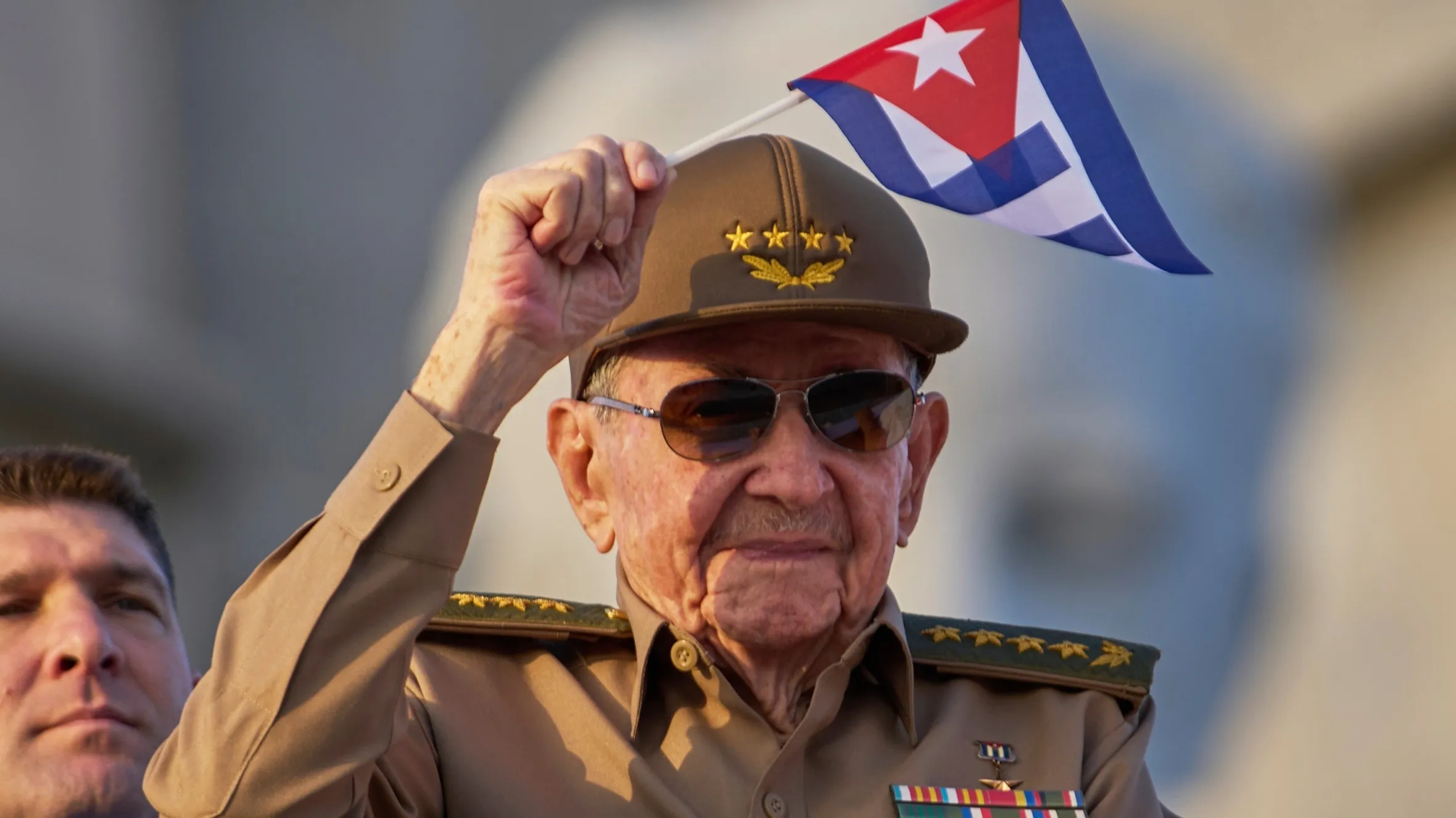
Washington’s latest move against former Cuban leader Raúl Castro is reopening one of the darkest chapters in US-Cuba history.
It’s raising fresh questions about where the two countries are headed next.
The US Justice Department has charged the 94-year-old Castro over the 1996 shooting down of two civilian planes operated by the Cuban-American group Brothers to the Rescue.
An incident that killed four men, including three Americans.
Acting Attorney General Todd Blanche called it a long-overdue pursuit of justice, declaring: “The United States… will not forget its citizens.”
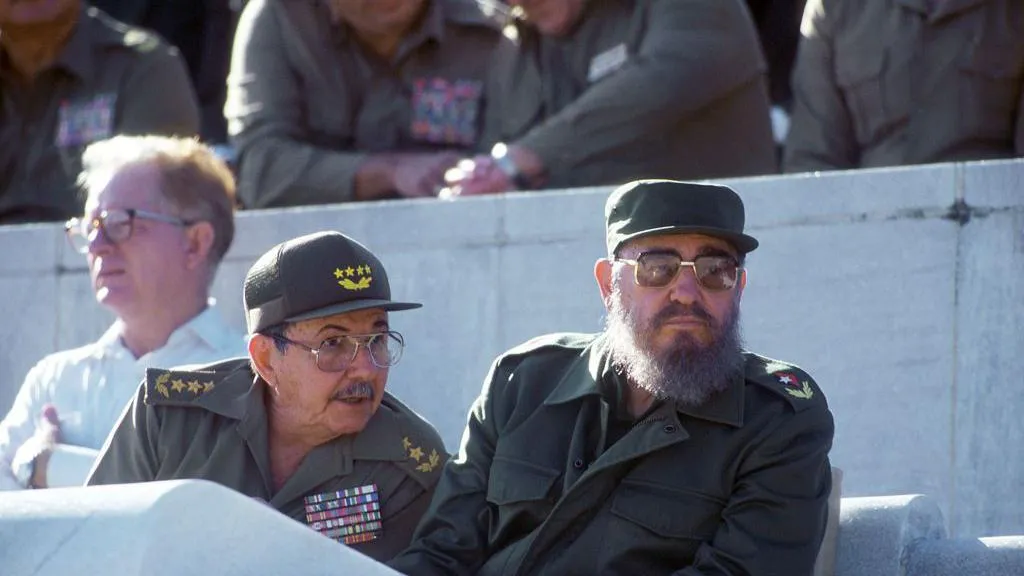
The case accuses Castro, then Cuba’s armed forces chief, of conspiracy to kill US nationals and aircraft destruction.
Some charges even carry the possibility of life imprisonment or the death penalty.
Indictment Sparks Tensions
But here’s the twist: few expect Castro to ever appear in a US courtroom.
Experts say the indictment is as much about pressure as prosecution.
Political analyst William LeoGrande argued the strategy appears aimed at forcing concessions from Cuba’s communist government.
Havana, unsurprisingly, fired back fast. Cuban President Miguel Díaz-Canel dismissed the charges as a “political manoeuvre”.
Meanwhile, memories of the 1996 tragedy still run deep in Miami’s Cuban exile community.
Justice delayed, they say, is still justice. But whether this legal bombshell changes anything in Havana is another question entirely.
Revolutions, much like grudges, rarely fade quietly.