

How much does a war really cost—and who ends up paying the price? In Washington, that question is getting harder to ignore.
For the first time, officials say the US war in Iran has already racked up a staggering $25 billion bill.
That figure, revealed by a senior Pentagon official, is roughly equal to the entire annual budget of NASA. Let that sink in.
Most of the money? Spent on munitions. But here’s the catch—there’s little clarity on what else is included.
Repairs, long-term damage, future costs? Still a question mark.
War Costs Debate
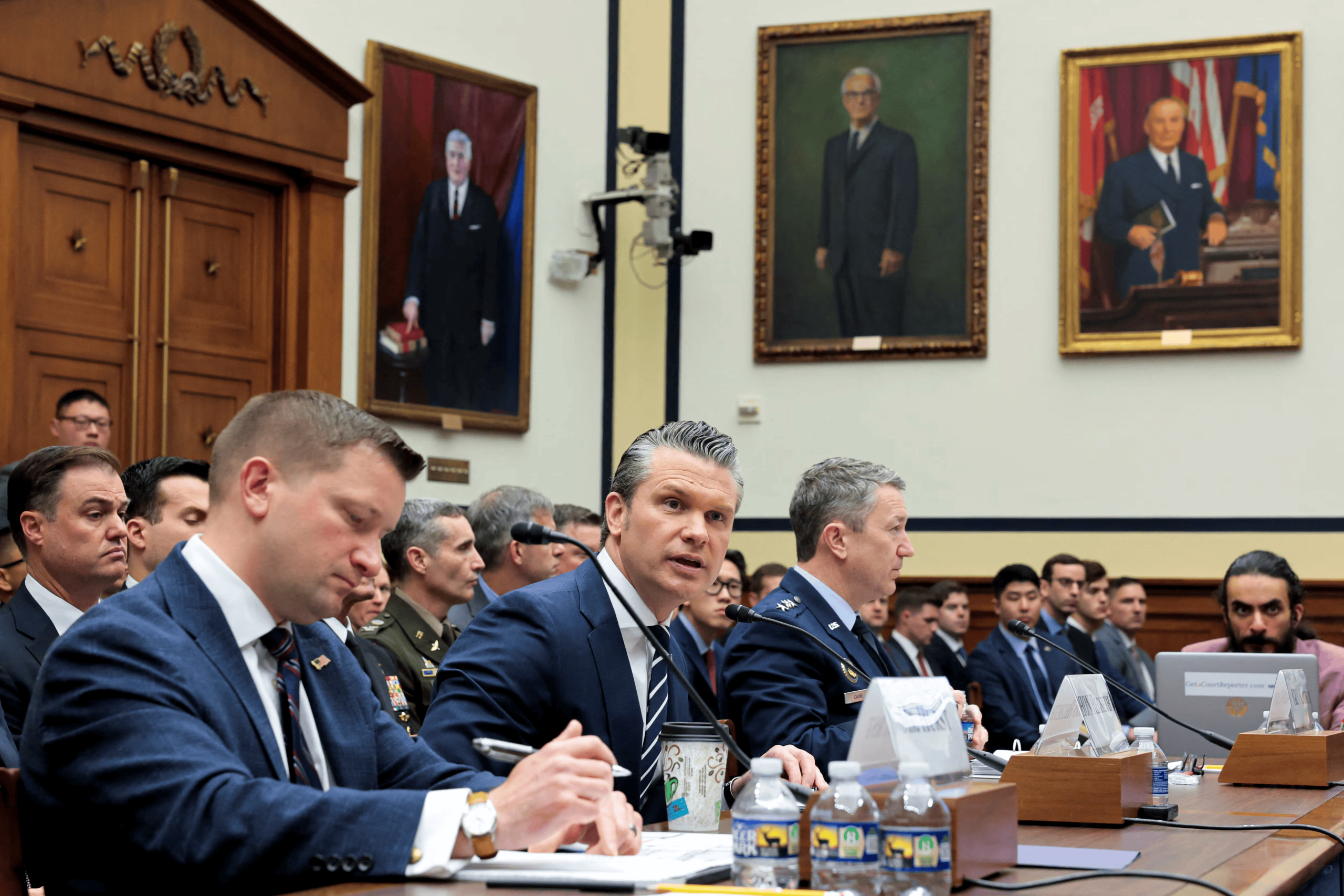
On Capitol Hill, frustration is boiling. Congressman Adam Smith didn’t mince words: “We’ve been asking for a hell of a long time… and no one’s given us the number.”
Meanwhile, the political stakes are rising. With midterm elections looming, Democrats are tying the costly war to everyday economic struggles.
Is this about national security—or kitchen-table economics?
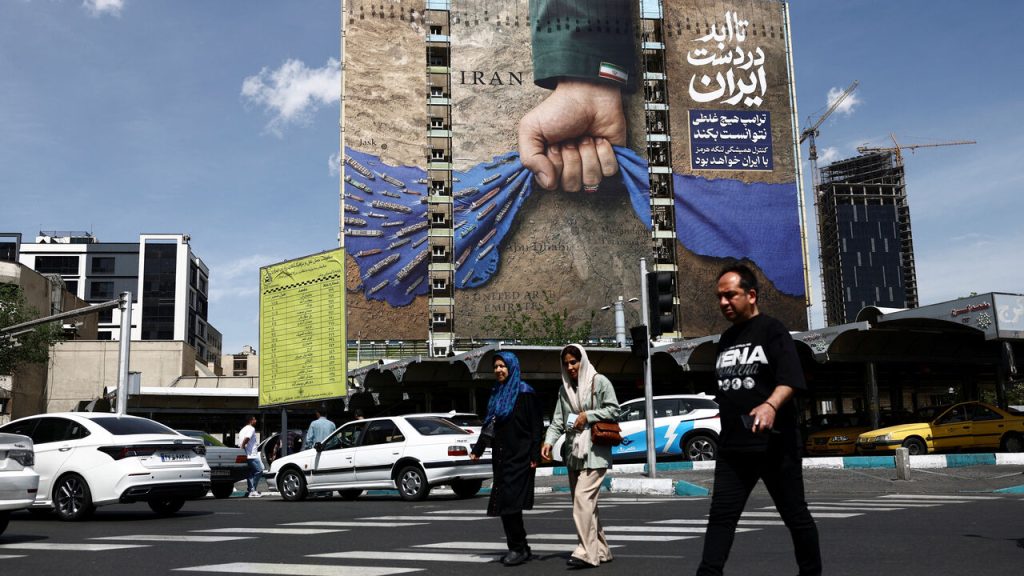
Defense Secretary Pete Hegseth pushed back hard, framing it bluntly: “What would you pay to ensure Iran does not get a nuclear bomb?”
It’s a powerful argument—but not everyone is convinced.
So here’s the bigger question: when the price tag keeps climbing, where does strategy end… and strain begin?