

What does “justice” look like—and who gets to define it?
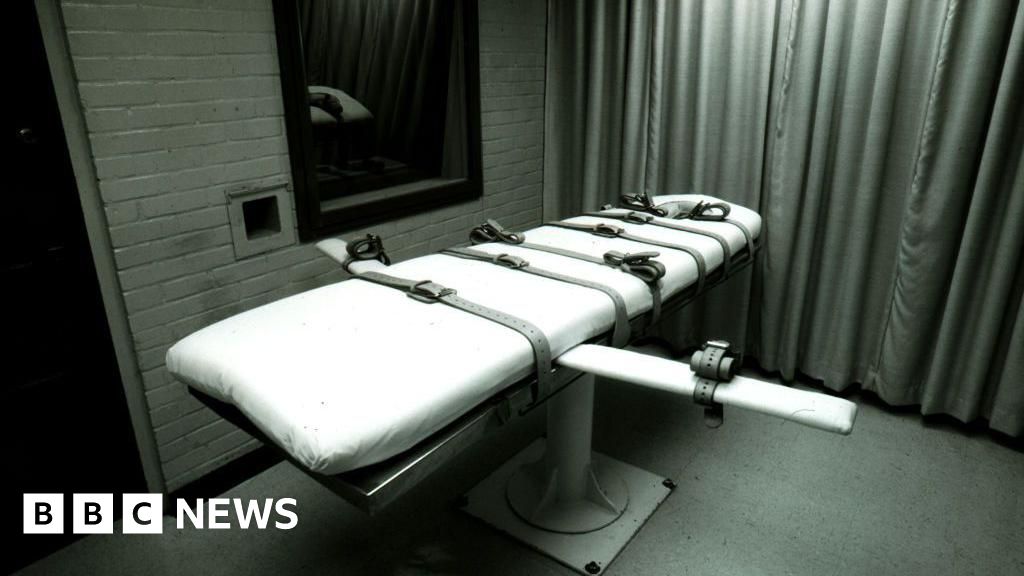
That debate is back in the spotlight after the US Department of Justice unveiled a plan to expand execution methods beyond lethal injection.
To include firing squads, gas asphyxiation, and electrocution.
Officials argue it’s about practicality and deterrence. Critics say it’s something else entirely.
In a detailed memo, the department called the move a way to “strengthen” the death penalty—ensuring it can still be carried out.
Even when drugs like pentobarbital are hard to obtain.
Supporters, including President Donald Trump, frame it as delivering justice and closure for victims’ families.
But not everyone agrees. Senator Dick Durbin called the shift “cruel, immoral, and discriminatory.”
Execution Methods Debate
Human rights groups have long questioned lethal injection itself, let alone older or more controversial methods.
The backdrop? A sharp policy reversal. Former President Joe Biden had paused most federal executions.
And granted clemency to dozens on death row. Now, the pendulum has swung back.
Some states have already experimented with alternatives—like nitrogen gas—raising new ethical and legal questions.
So where does this leave the US? Straddling a line between justice and controversy.
Because in the end, the question isn’t just how executions are carried out—it’s whether expanding them brings closure… or deepens the divide.