
After more than 30 years of silence, could Israel and Lebanon finally be talking their way out of conflict?
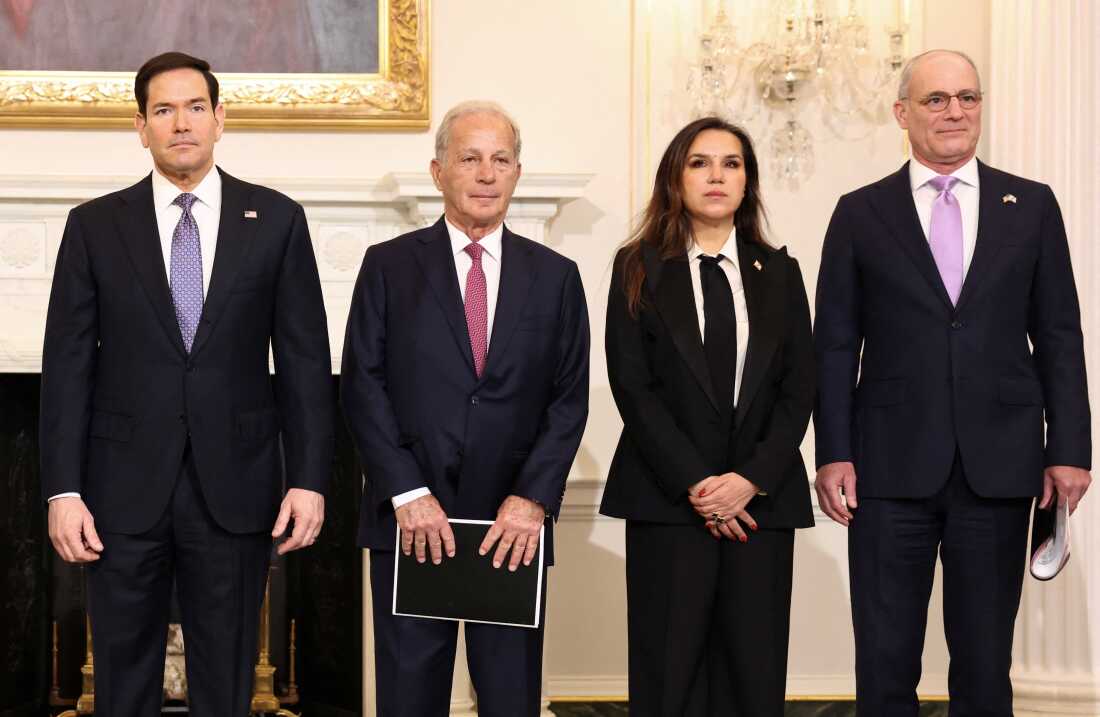
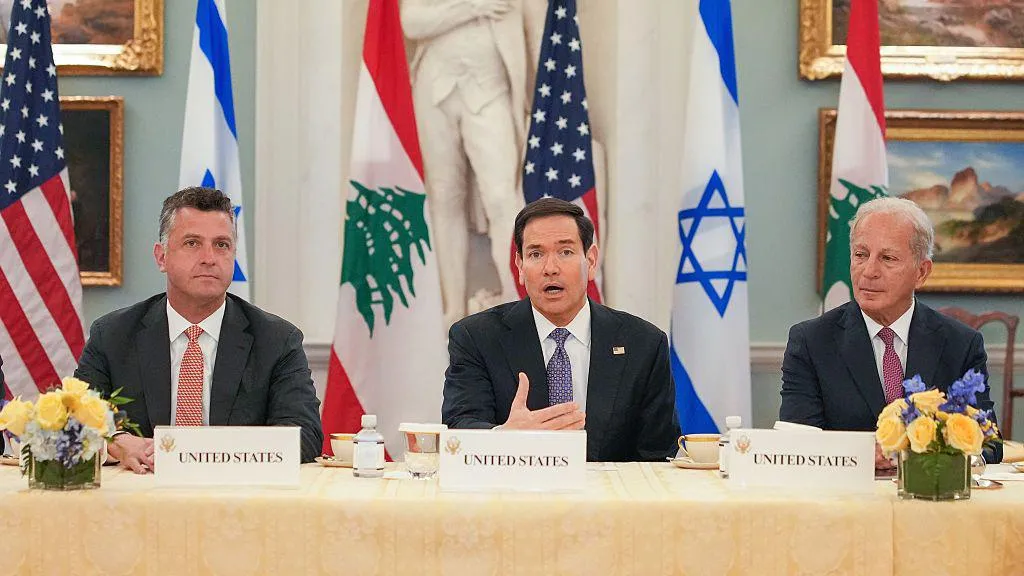
In a rare and unexpected move, the two sides met for their first high-level diplomatic talks since 1993.
A moment US Secretary of State Marco Rubio called a “historic opportunity.”
But is it really a turning point, or just the beginning of a long road?
The backdrop is grim. Since early March, over 2,000 people have been killed as fighting between Israel and the Iran-backed Hezbollah intensified.
Even as talks unfolded, rockets and drones continued to fly. So what’s actually on the table?
Israel made its position clear: disarm all non-state groups — a direct reference to Hezbollah.
Lebanon, on the other hand, is pushing for an immediate ceasefire and urgent relief for its humanitarian crisis.
“This is a process,” Rubio said, hinting that quick breakthroughs are unlikely.
Peace Talks Uncertain
Here’s the complication: Hezbollah isn’t exactly on board. A senior figure bluntly stated, “We are not bound by what they agreed to.”
That raises a tough question — can peace be negotiated without one of the key players?
Lebanese President Joseph Aoun expressed hope the talks could “end the suffering.”
But acknowledged that only a unified national army can truly stabilize the country.
So, is this diplomacy or just dialogue? Perhaps both.
Because in a conflict this tangled, even sitting at the same table might be the first fragile step toward something bigger.