How safe are Chinese researchers in the US? That question is back in the spotlight.
After the tragic death of Danhao Wang, a semiconductor researcher at the University of Michigan.
Found dead after what China describes as “hostile questioning” by US federal investigators.
Wang’s death has sparked diplomatic concern and alarm among students abroad.
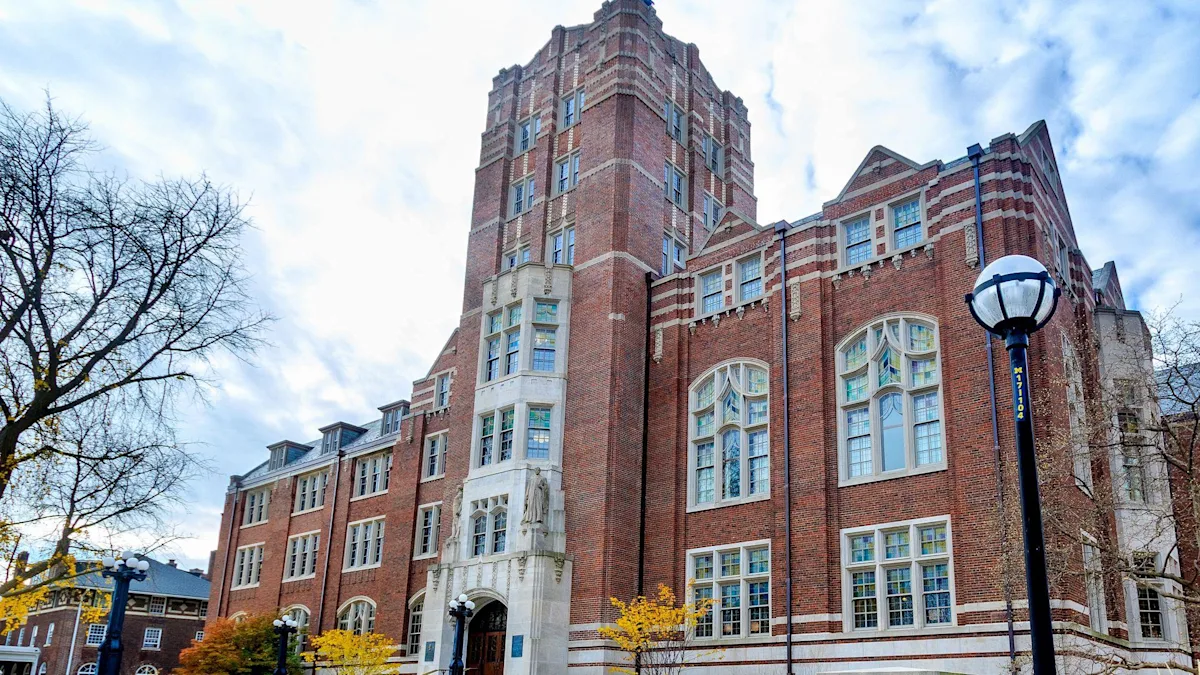
The University of Michigan said it’s investigating “a possible act of self-harm” after Wang fell from a campus building on 19 March.
While the university and Chinese officials have been careful with names, China has pressed the US to conduct a thorough investigation.
Liu Pengyu, spokesperson for the Chinese Embassy, said they are “deeply distressed by this tragedy” and have been assisting Wang’s family.
He also warned Chinese students to “heighten their safety awareness” while dealing with US law enforcement.
Rising Tensions Impact Research
This isn’t an isolated case. Tensions have been rising around Chinese academics in the US.
Especially after the 2024 suicide of neuroscientist Jane Wu from Northwestern University. This also followed a federal investigation.
The US has tightened scrutiny of Chinese researchers, citing national security, and has previously restricted visas for those suspected of ties to the Chinese military.
Experts argue this climate creates a “serious chilling effect” on research and collaboration.
As Mao Ning, China’s foreign ministry spokesperson, put it: “The US should provide a responsible explanation to the researcher’s family.”
So, the big question remains: in the race for innovation, are diplomacy and safety keeping pace with national security concerns?
Or are talented minds being caught in the crossfire?