
If there’s a ceasefire in the region, why are the bombs still falling?
That’s the grim reality unfolding in Lebanon, where Israel has launched its largest wave of air strikes yet against Hezbollah—more than 100 targets hit in just 10 minutes.
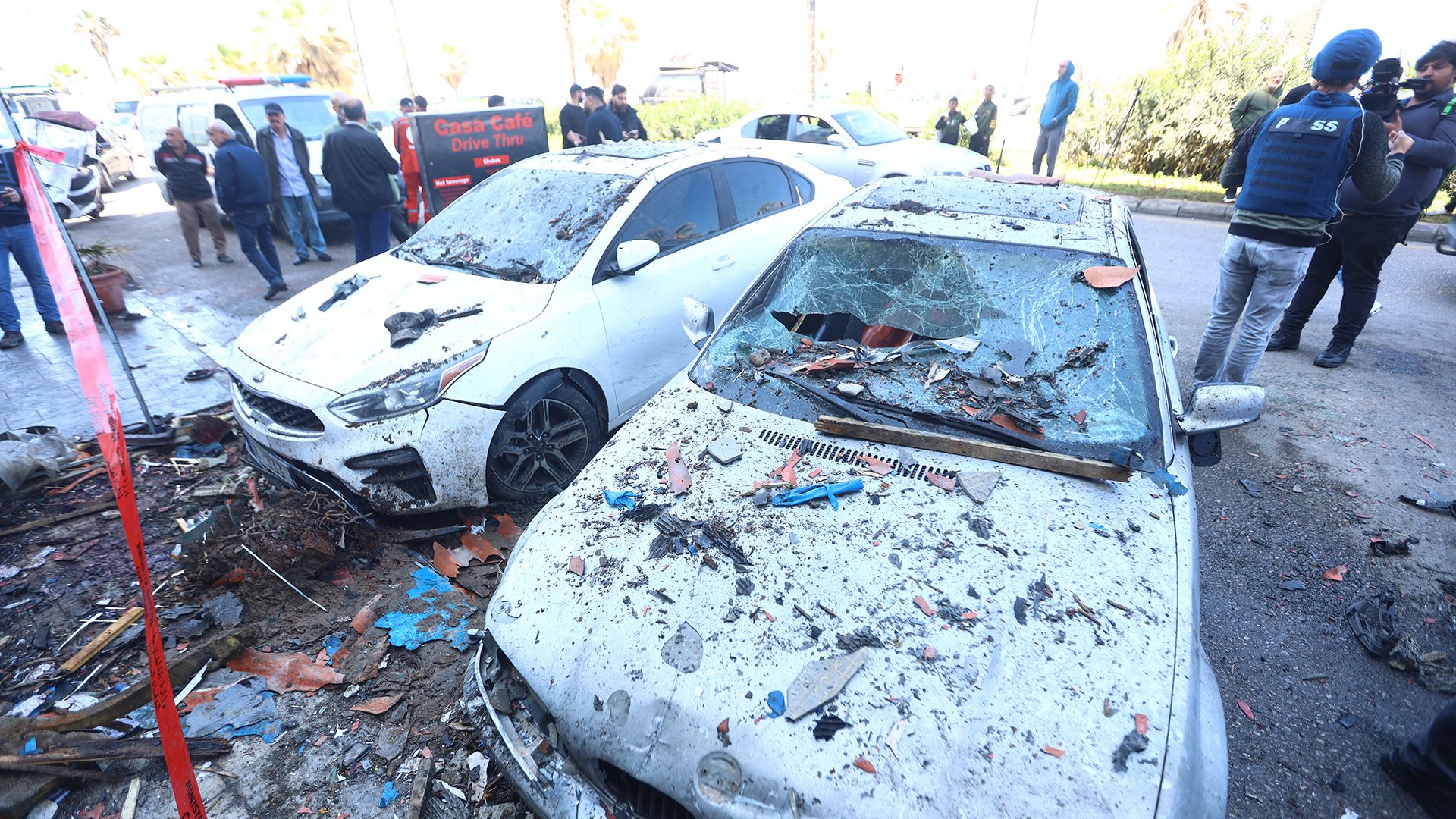
The result? Hundreds dead or wounded, and entire neighborhoods in Beirut and beyond left in ruins.
At ground zero, the human cost is impossible to ignore.
So why now? Despite a US-Iran ceasefire, officials in both Washington and Tel Aviv insist Lebanon was never part of the deal.
Benjamin Netanyahu has made it clear: operations against Hezbollah will continue.
Escalation Displaces Millions
The conflict itself is nothing new—but it’s escalating fast.
Rocket attacks, retaliatory strikes, and now mass displacement—over a million people forced from their homes.
Experts warn this isn’t just military strategy; it’s a dangerous balancing act.
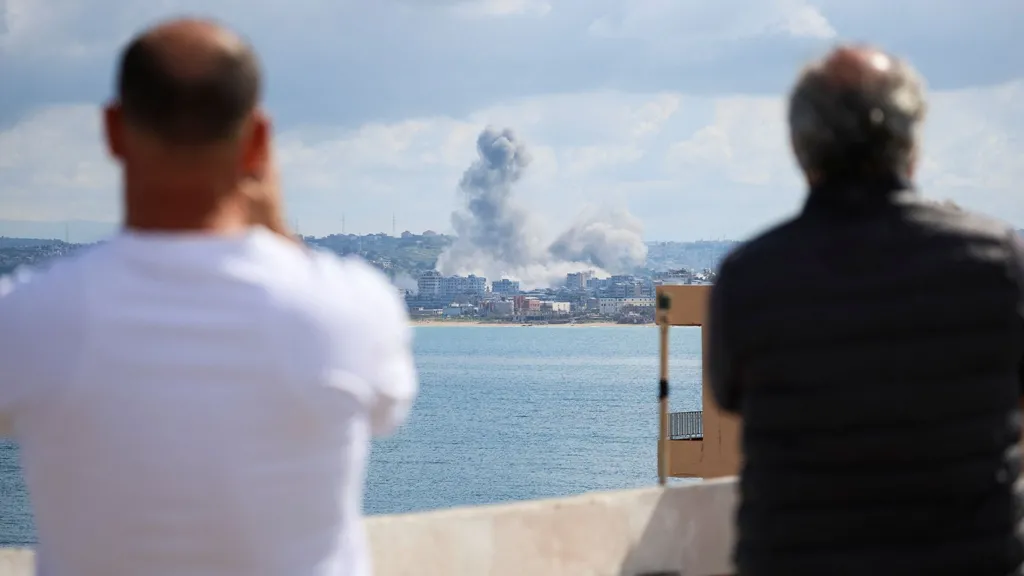
Hezbollah remains capable, Israel remains determined, and civilians remain trapped in between.
So here’s the uncomfortable question: when ceasefires don’t apply to everyone, are they really ceasefires at all?