
What if the first voice you heard each morning wasn’t a person—but a talking doll?
For some elderly residents in South Korea, that’s becoming reality.
Take 72-year-old Ahn So-hyun. She has lived alone for decades after losing her husband, with limited eyesight and children who can rarely visit.
Many days passed in silence. Then came Chorong—a stuffed doll powered by conversational AI.
Now her mornings begin differently. Chorong gently reminds her to drink warm water, eat healthy foods, check utilities, and stay alert for scams.
“It feels like family,” Ahn says with a quiet smile.
Across the country, local welfare programs are introducing AI companion robots to seniors living alone.
The need is growing: the share of elderly Koreans living alone has climbed from 16% in 2000 to over 22% in 2024.

AI Companions Reduce Isolation
Studies show depression is far more common among seniors without daily human contact.
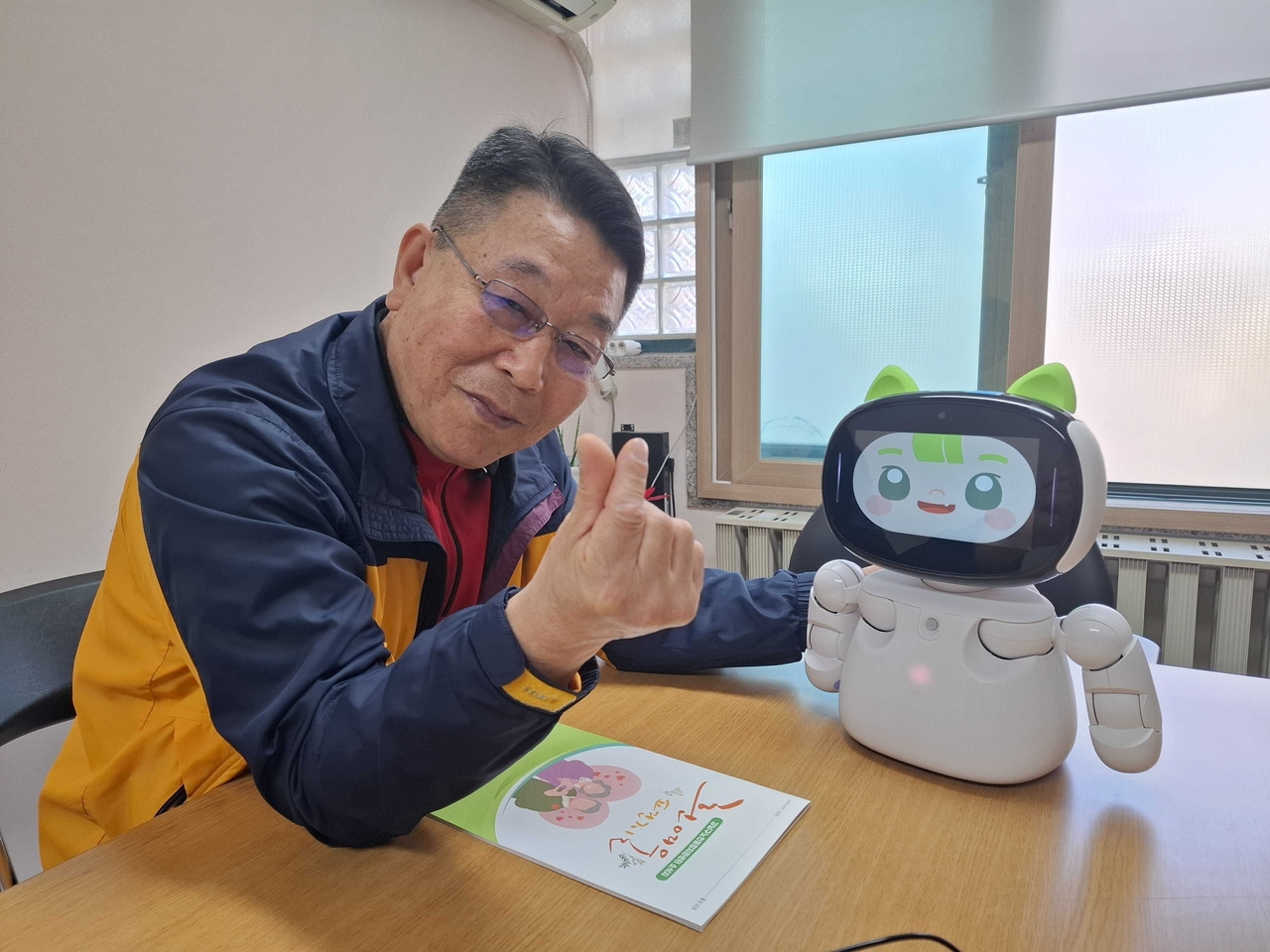
For Kim Choong-ki, in his 60s, his AI companion Hyodol changed daily life. At first, the constant reminders felt like nagging.
But soon, routines formed—earlier mornings, regular meals, even walks outside.
“When you’re completely alone, the house feels dark and quiet,” he says. “But it talks to you first. That makes a big difference.”
When the robot once broke down, the silence returned. It felt empty.
Which raises a curious question: in a rapidly aging world, could a little AI voice be the closest thing some people have to family?