Did a single torpedo just redraw the rules of modern naval warfare?
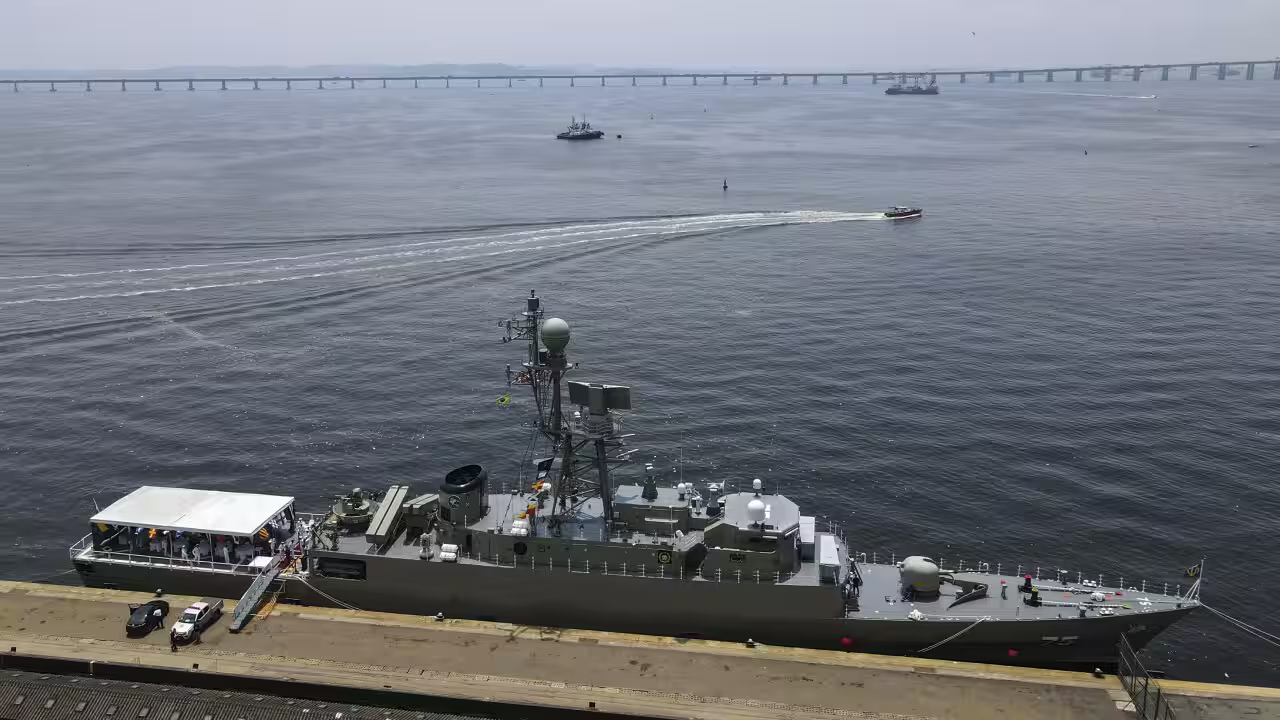
That’s the claim from Pete Hegseth, who revealed that a U.S. submarine sank an Iranian warship in the Indian Ocean this week.
The strike, he said, came Tuesday—and the vessel met what he described as a “quiet death.”
While he didn’t name the ship, clues quickly pointed to the IRIS Dena.
Sri Lankan officials reported responding to a distress call from the Iranian destroyer.
It went down roughly 40 km off the southern coast of Sri Lanka.
The aftermath was grim. Rescuers recovered about 80 bodies, while 32 survivors—many badly injured—were taken to hospital in the port city of Galle.
Around 180 people were believed to have been aboard.
Naval Strike Claims
Hegseth made a striking claim: this was “the first sinking of an enemy ship by a torpedo since World War Two.”
Technically true for the U.S.—though other countries have used torpedoes since.
But Sri Lankan navy spokesman Budhika Sampath initially pushed back.
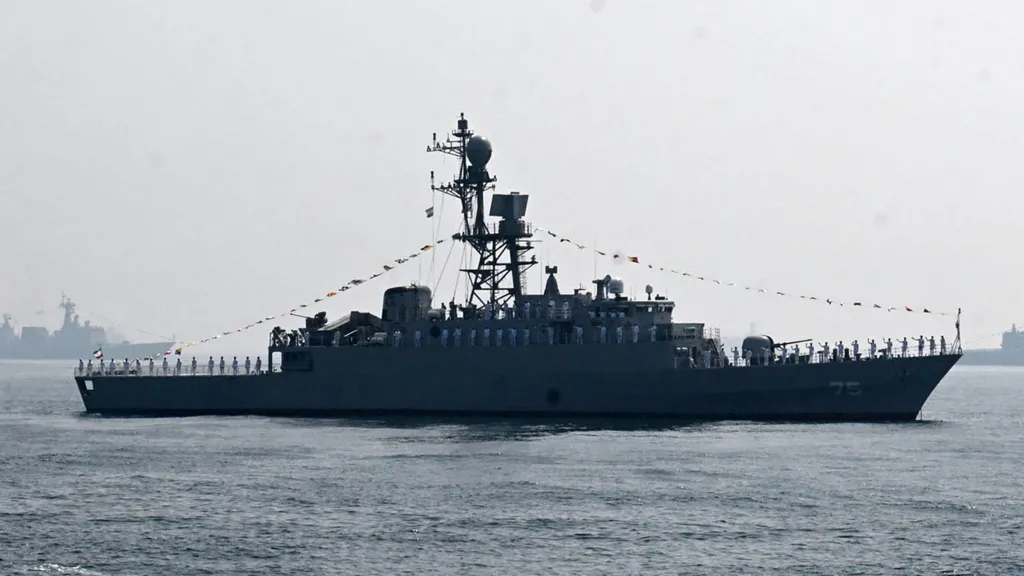
He said rescuers saw oil slicks and life rafts, not evidence of a submarine attack.
The incident comes as U.S. and Israeli strikes on Iran intensify across the region.
So what does this mean? A rare naval milestone—or just another dangerous ripple in an already expanding conflict?