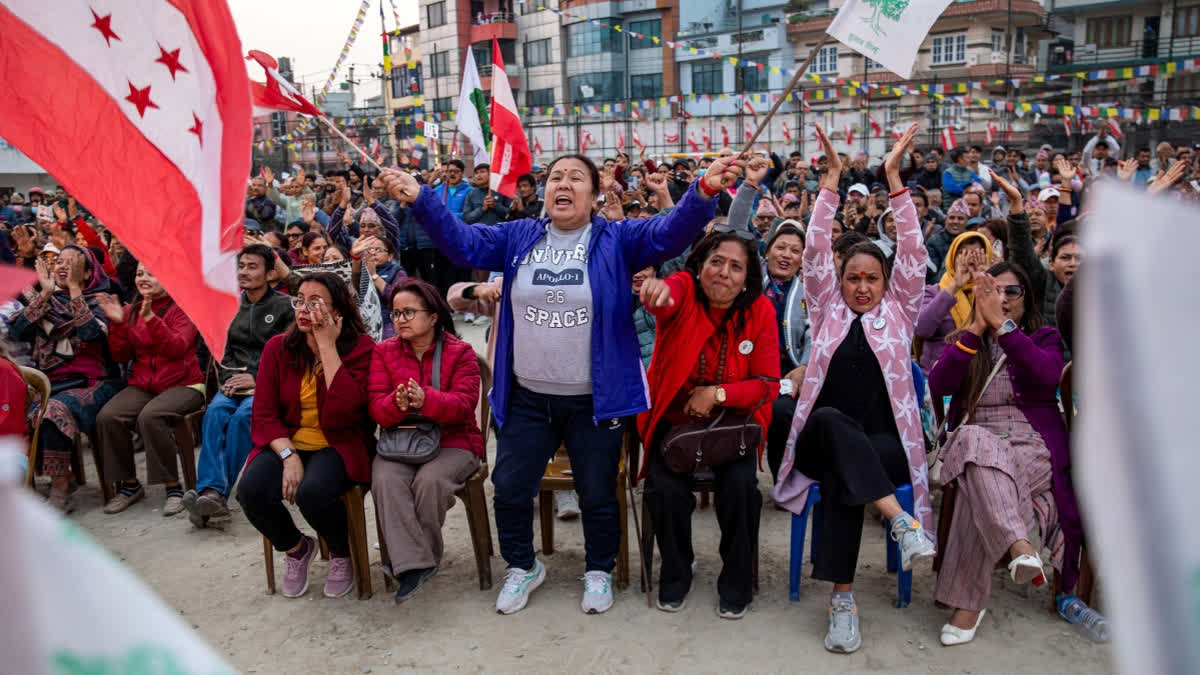
As Kathmandu prepares to vote, a different kind of campaign is unfolding online.
Not just speeches and slogans—but AI-generated images, deepfake videos, and misleading posts flooding social media.
The question is: how much of what voters see is real?
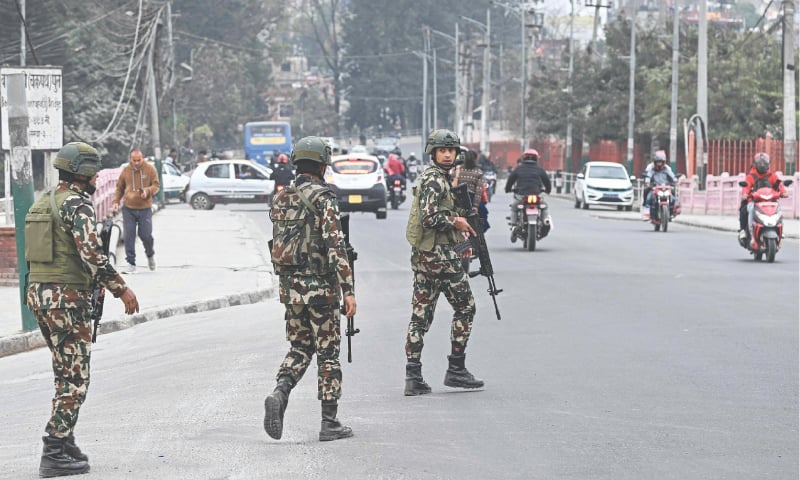
Nepal heads to the polls on Thursday, its first election since violent protests in 2025 toppled the government.
Those demonstrations—sparked by a brief ban on social media—were largely driven by young, tech-savvy citizens.
Frustrated by unemployment and corruption.
Ironically, the same digital platforms are now the center of a fierce political battle.
Experts warn the online space has turned into a “digital battleground.”
Tech researcher Samik Kharel says the flood of AI-generated content is difficult even for specialists to track.
“It is even hard for experts to figure out what is real and fake,” he noted.
AI Election Disinformation
Fact-checkers have already spotted manipulated posts.
One viral image showed a massive rally for former prime minister KP Sharma Oli, supposedly drawing 500,000 supporters.
But analysts found the image was AI-generated, while police estimated fewer than 5,000 attendees.
Another fake clip circulating on TikTok appeared to show opposition leader Gagan Thapa endorsing a rival party.
So as voters scroll through their feeds before election day, one question lingers.
In the age of AI politics, can democracy keep up with the algorithms?