
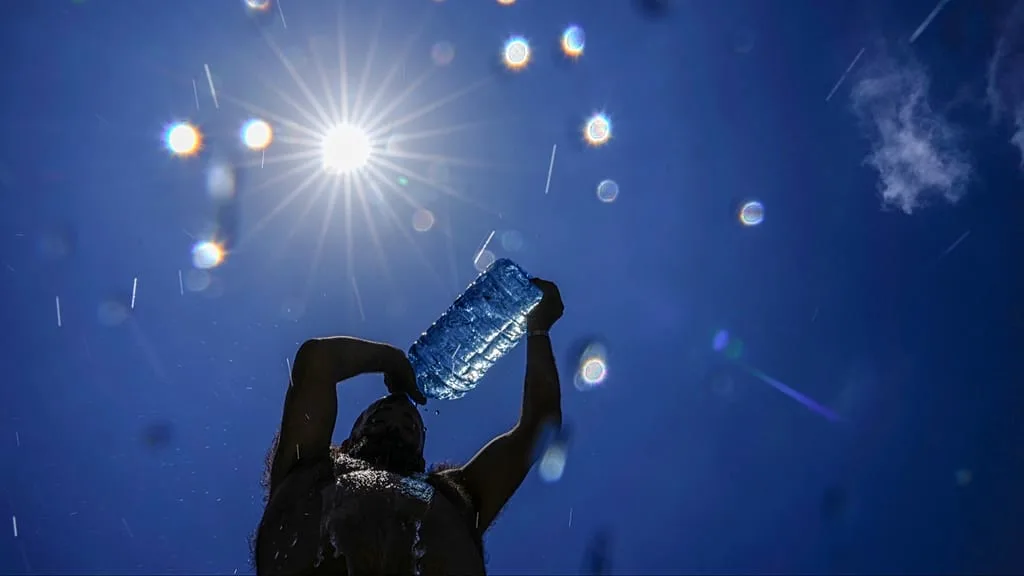
Is the planet about to turn up the heat—again?
Scientists are watching closely as the warming phase of the climate cycle, El Niño, shows signs of returning later this year.
According to National Oceanic and Atmospheric Administration, there’s a 50–60% chance it could form by mid-year.
It could potentially push global temperatures to new highs.
But what exactly is El Niño? And why does it matter?
Think of it as part of a climate seesaw called El Niño-Southern Oscillation.
On one side is El Niño, which warms ocean waters in the Pacific. On the other is La Niña, its cooler counterpart.
Fishermen in South America even named El Niño centuries ago after noticing warmer waters around Christmas disrupting their catch.
El Niño Impact
When El Niño kicks in, global weather shifts. Some regions dry out. Others flood. And temperatures? They rise.
“It can add about 0.1 to 0.2°C to global averages,” explained NOAA meteorologist Nat Johnson.
That may sound small—but globally, it’s huge. Recent years have already been record-breakers.
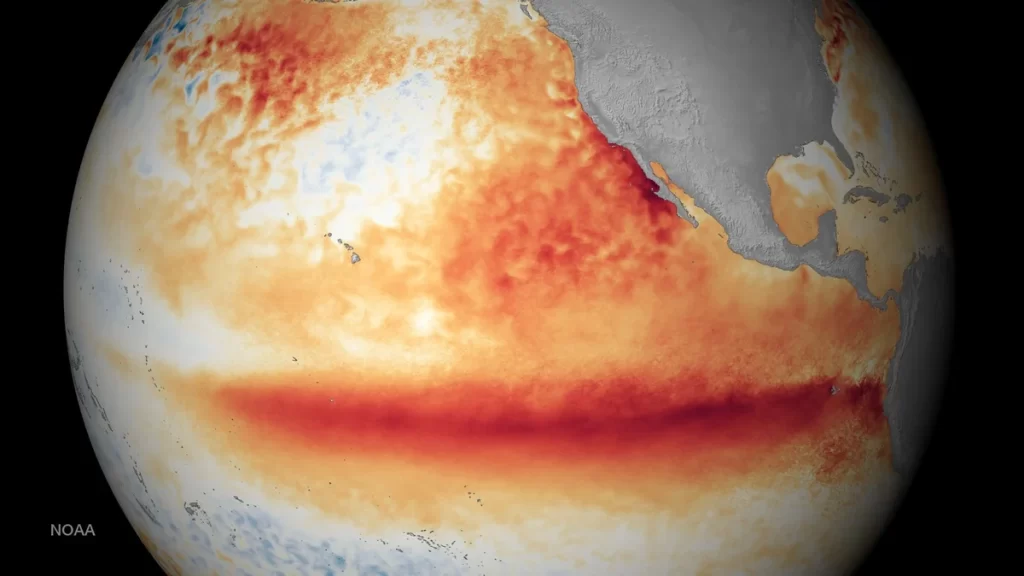
Experts like Carlo Buontempo warn 2026—or even 2027—could climb higher if El Niño strengthens.
“It takes time for the atmosphere to respond,” noted scientist Tido Semmler.
And here’s the twist: even without it, warming continues.
So the real question isn’t just if El Niño arrives—but how much hotter the world is ready to handle.