What happens when rising tensions meet advanced weapons?
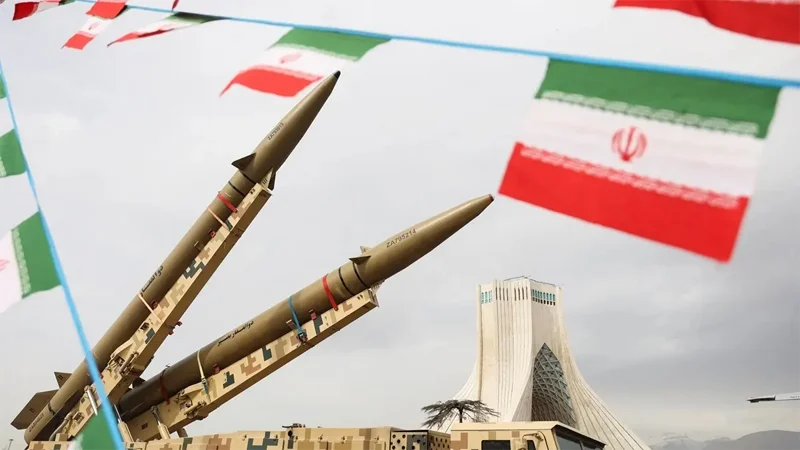
That’s the question hanging over the Middle East as Iran edges closer to a deal with China for powerful anti-ship cruise missiles.
Just as the United States ramps up its naval presence near Iranian waters.
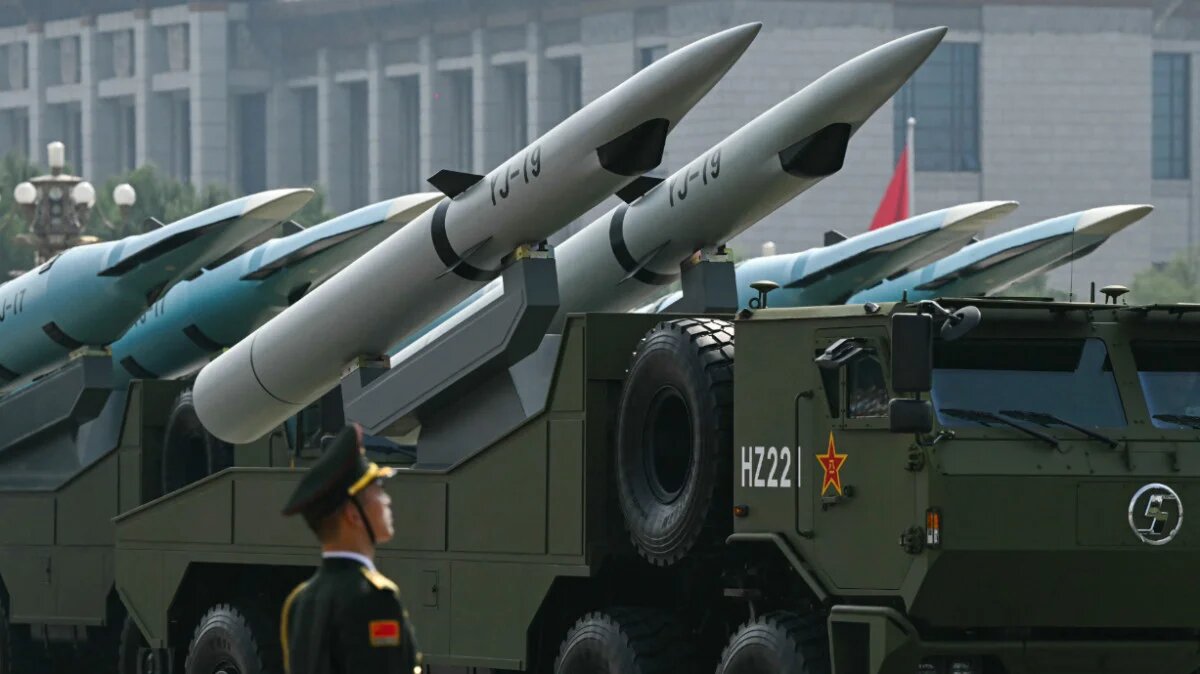
At the center of it all? The CM-302. Fast. Low-flying. Hard to stop.
With a range of nearly 290 km, experts say it could seriously threaten US warships.
“It’s a complete gamechanger,” says Danny Citrinowicz, a former Israeli intelligence officer.
“These missiles are very difficult to intercept.”
Missile Diplomacy Tensions
So why now? Talks reportedly began years ago but gained urgency after last year’s brief but intense Iran-Israel conflict.
Behind the scenes, officials—including Iran’s deputy defence minister—have quietly pushed negotiations toward the finish line.
Zoom out, and the picture sharpens. This isn’t just about missiles. It’s about shifting alliances.
China, alongside Russia, is deepening ties with Iran—challenging decades of US dominance in the region.
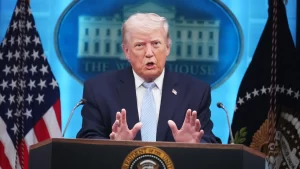
Washington, meanwhile, isn’t mincing words. President Donald Trump has warned of “very tough” action if diplomacy fails.
So where does this leave things? On edge.
Because when advanced weapons enter an already volatile region, the line between deterrence and escalation gets dangerously thin.