What happens when a fragile peace begins to crack?
Overnight, tensions between Pakistan and Afghanistan took a sharp—and deadly—turn.
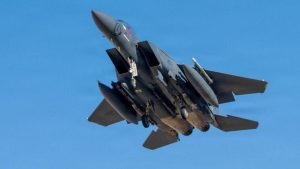
Pakistan launched air strikes across the border, saying it was targeting militant hideouts.
They were linked to groups like Tehreek-i-Taliban Pakistan and Islamic State-Khorasan Province.
Officials called it a “retributive response” to recent suicide bombings inside Pakistan.
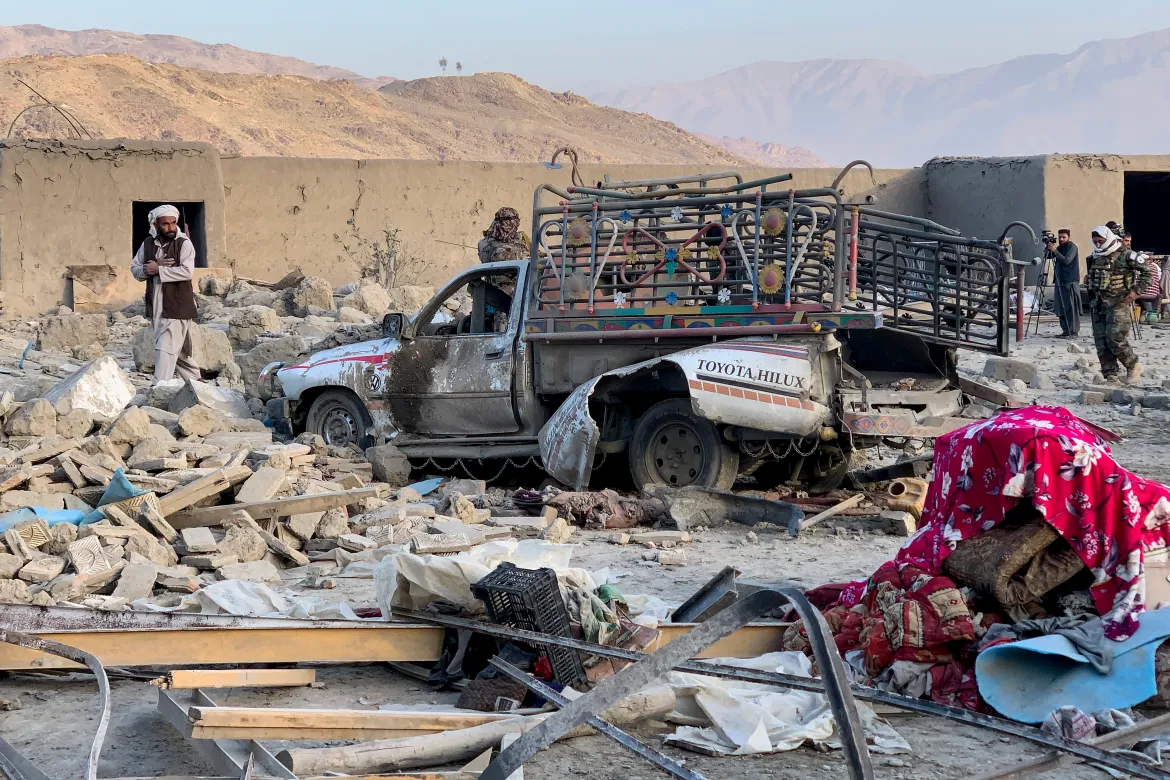
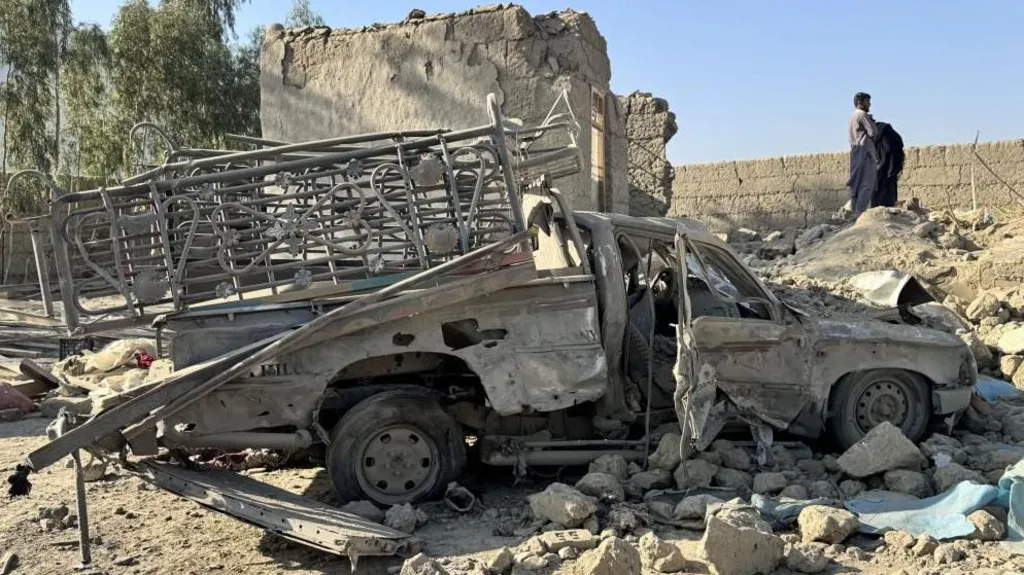
But the Taliban tells a very different story. According to them, the strikes hit civilian homes and even a religious school.
Killing at least 18 people—many of them women and children.
One survivor described losing nearly his entire family in seconds. Hard to ignore.
Cross-Border Tensions Rise
So, what’s the truth? Likely somewhere in the fog of conflict. Pakistan insists it had “intelligence-based” targets.
Kabul calls it a violation of sovereignty and international law.
This comes despite a ceasefire agreed in October—already shaky, now clearly under strain.
Analysts warn that cross-border militancy, especially in regions like Khyber Pakhtunkhwa, continues to fuel mistrust on both sides.
The bigger question is unavoidable: can two neighbors fight the same enemy without turning on each other?
Because if not, this cycle of strike and retaliation may just be getting started.