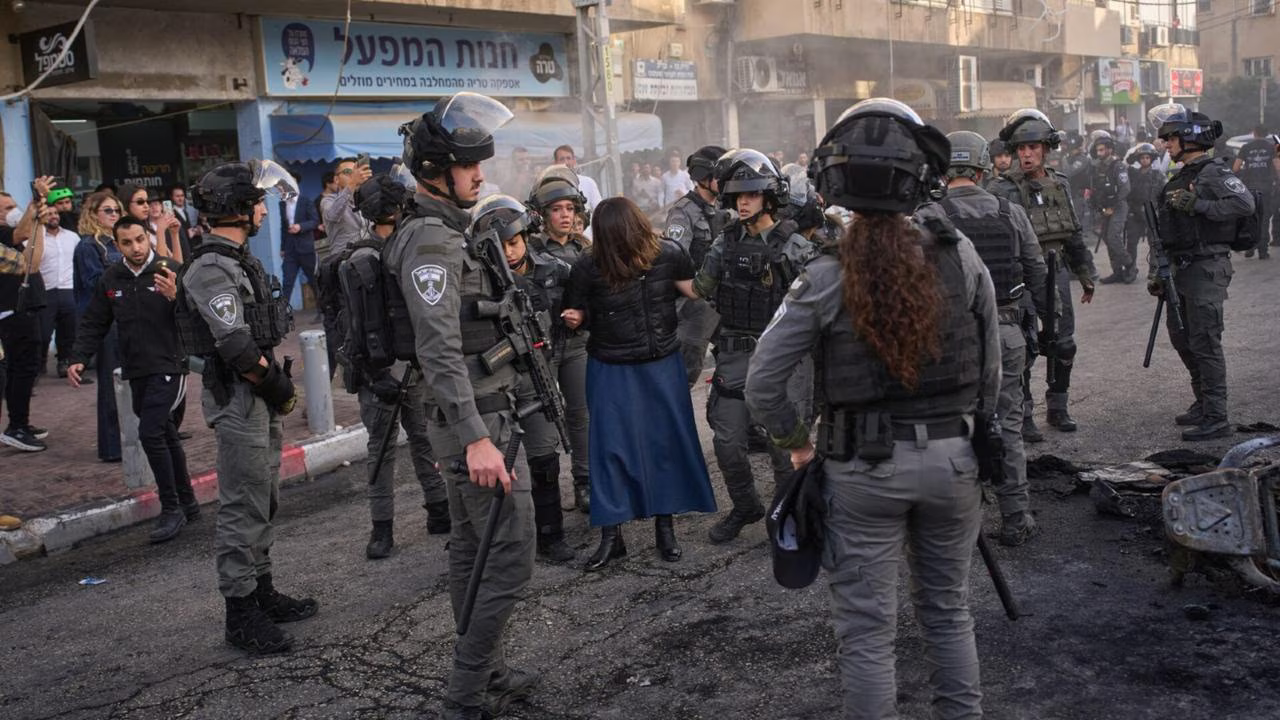
In Bnei Brak, two female soldiers from the Israel Defense Forces found themselves running for safety, chased by an angry crowd of ultra-Orthodox men.
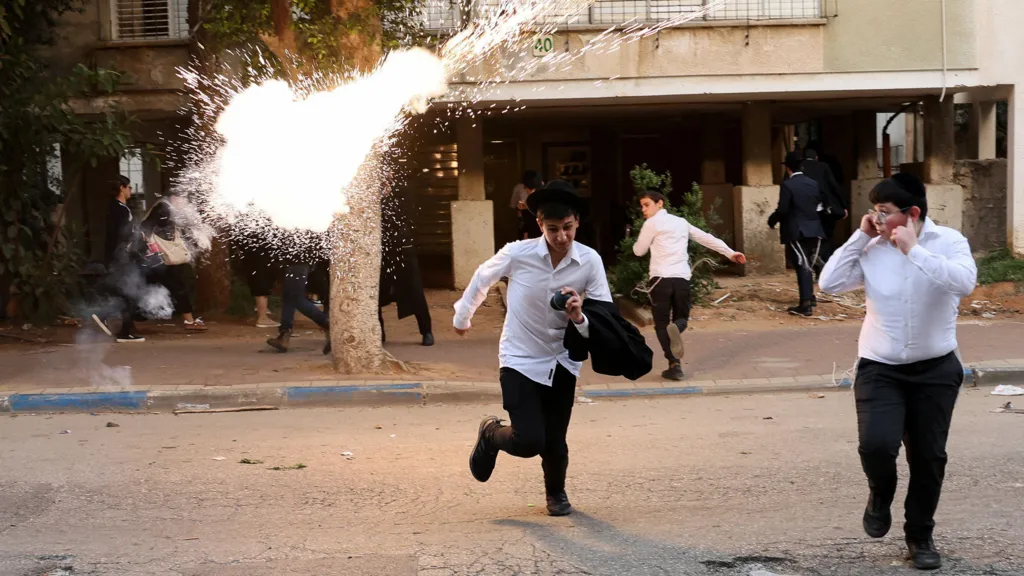
Police rushed in, forming a human shield as rubbish flew and stun grenades echoed through the streets. More than 20 arrests followed.
So what sparked this chaos? Reports suggest the soldiers were mistakenly believed to be delivering military draft notices — a deeply sensitive issue.
While military service is mandatory for most Jewish Israelis.
Ultra-Orthodox men have historically been exempt if they study full-time in religious schools.
But with draft reforms under debate, emotions are running high.
Duty And Identity
Prime Minister Benjamin Netanyahu condemned the attack, calling it “unacceptable,” and stressed it was the work of “an extreme minority.”
Even religious leaders spoke out, signaling concern within the community itself.
The bigger picture is hard to ignore. The ultra-Orthodox population now makes up about 14% of Israel.
As that number grows, so does the debate over shared national responsibility.
At its core, this isn’t just about two soldiers or one confrontation.
It raises a deeper question: in a nation built on collective duty, how do you balance faith, identity, and obligation without tearing the social fabric apart?