
Think Jupiter is massive beyond measure? Turns out, even the solar system’s heavyweight has been slightly exaggerating its size.
Fresh data from NASA’s Juno spacecraft shows that Jupiter is a touch smaller—and a bit more squashed—than scientists once believed.
How small is “smaller”? Just a few miles. But in planetary science, that’s a big deal.
According to the new measurements, Jupiter’s equatorial diameter is about 88,841 miles, roughly five miles less than earlier estimates.
From pole to pole, it spans around 83,067 miles—about 15 miles shorter than scientists thought.
Tiny tweaks, sure. But they help researchers better understand what’s going on beneath those swirling clouds.
Jupiter’s True Shape
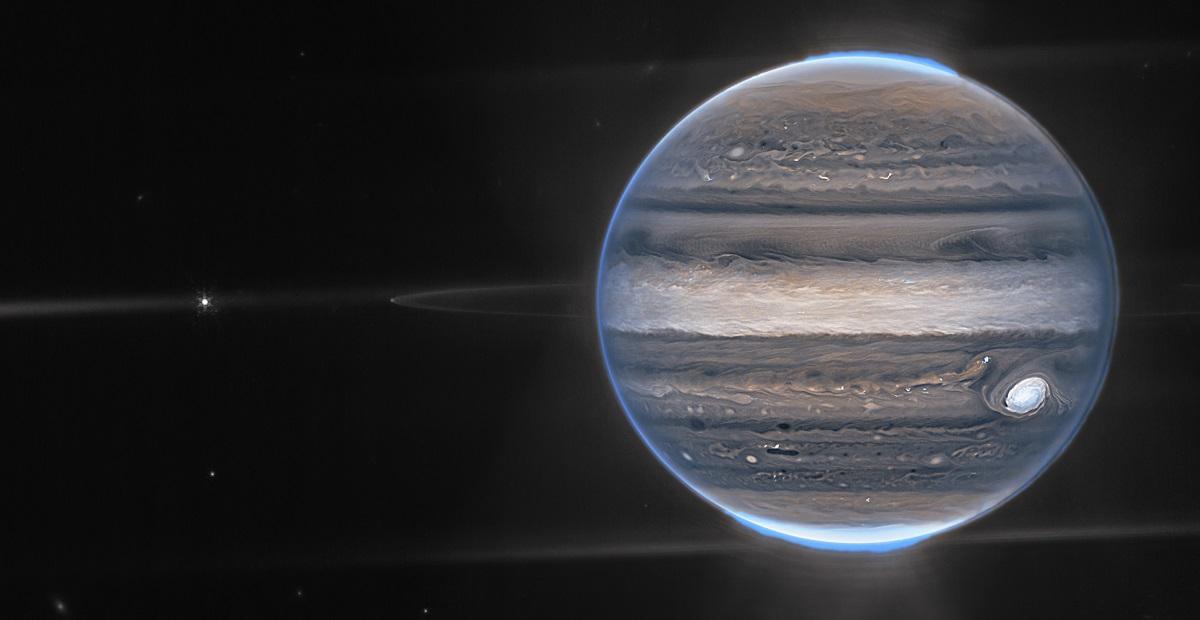
Jupiter isn’t a perfect sphere. It bulges at the equator and flattens at the poles, thanks to its rapid spin.
In fact, it’s about 7% wider around the middle than from top to bottom. Earth? A modest 0.33% by comparison.
So why the update now? Earlier measurements came from Voyager and Pioneer flybys in the 1970s.
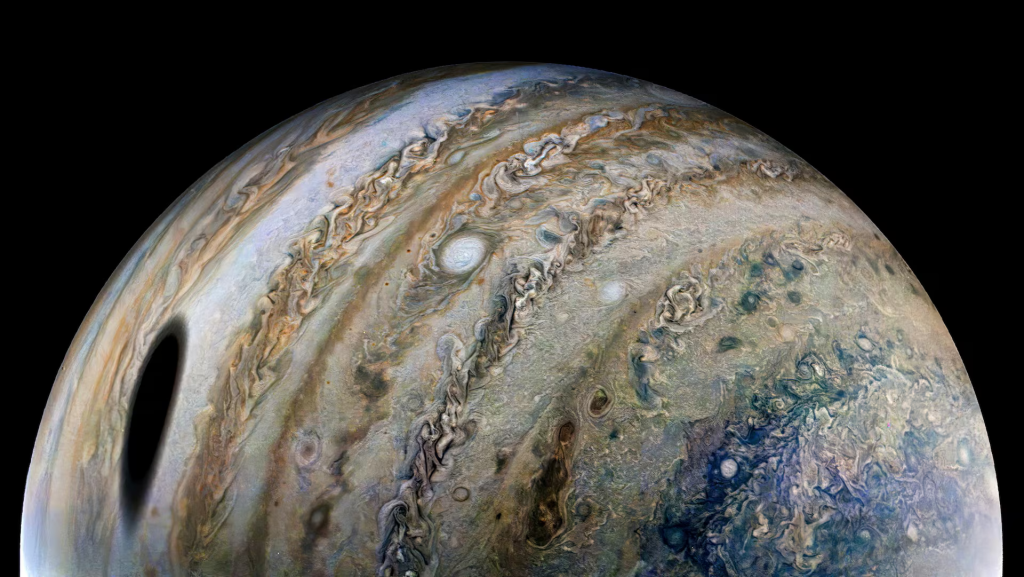
Juno, orbiting Jupiter since 2016, offers far sharper tools. At one point, its radio signal even passed through Jupiter’s atmosphere.
“When Juno slipped behind Jupiter, its signal traveled through the planet’s atmosphere,” explained planetary scientist Eli Galanti.
Sometimes, getting the big picture means measuring the smallest details.