Is Iran blinking—or just standing its ground?
President Donald Trump says Tehran would rather cut a deal than risk US military action.
Iranian officials flatly reject any talks over their missile and defence systems.
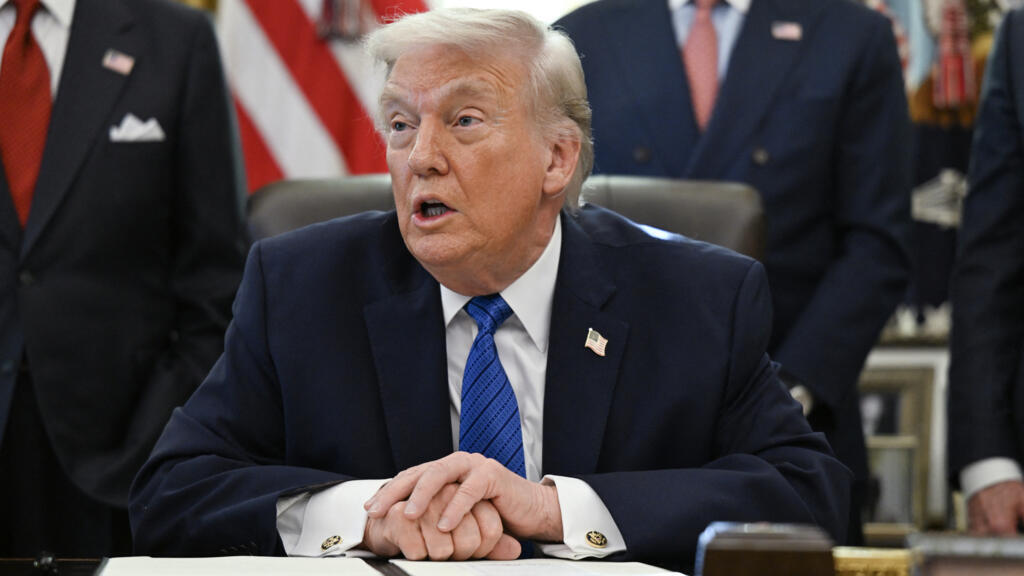
“They do want to make a deal,” Trump told reporters at the White House, hinting at pressure building as US naval forces gather in the Gulf. Details? None offered.
The warning followed Trump’s claim that time is “running out” to strike a new nuclear agreement.
Iran, however, isn’t rushing to the table. Foreign Minister Abbas Araghchi said there are no talks planned.
He left the door ajar for negotiations based on “mutual respect.”
Missiles, he stressed, are a red line. “Never up for negotiation.”
Tense Diplomacy Continues
Behind the scenes, diplomacy is still humming. Moscow confirmed that Iran’s top security official, Ali Larijani, met President Vladimir Putin.
They discussed regional and global issues. This fueled speculation about back-channel maneuvering.
Trump struck a familiar mix of optimism and menace. “If we make a deal, that’s good.
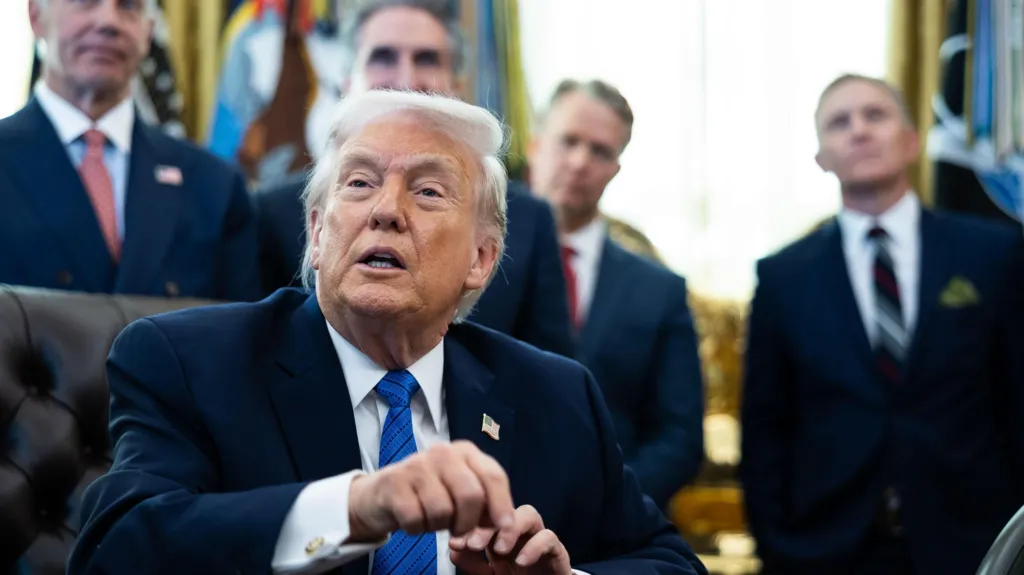
If we don’t… we’ll see what happens,” he said, referring to a US naval “armada” hovering nearby.
The standoff goes beyond nukes.Trump has also demanded an end to Iran’s violent crackdown on protesters.
An unrest that rights groups say may have killed thousands.
So, is this the calm before compromise—or the pause before escalation? In geopolitics, silence can be as loud as threats.