
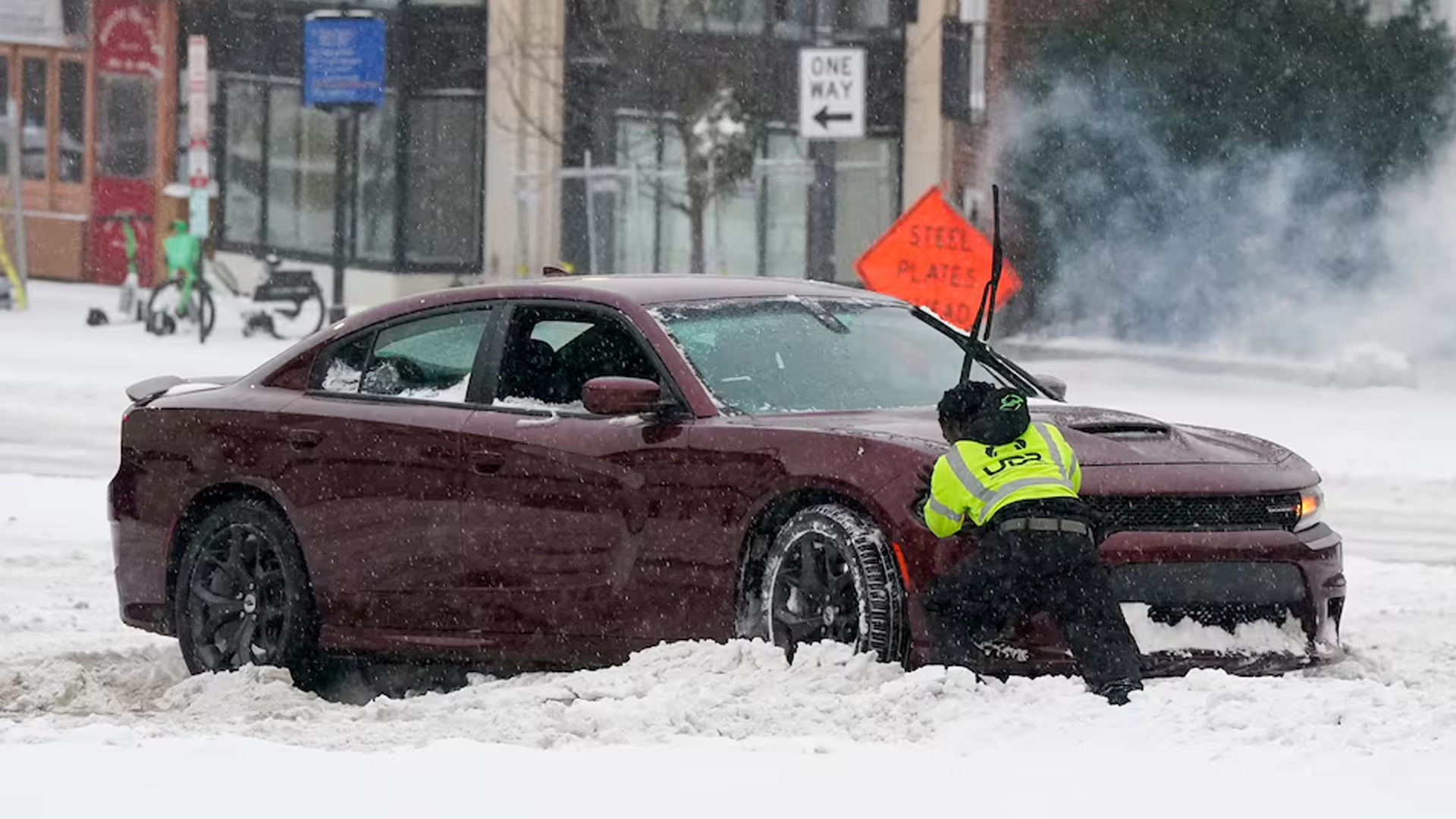
The US is deep in a winter deep-freeze — and it’s not letting up.
From Texas to New England, a powerful storm has turned daily life upside down, leaving at least seven people dead.
Millions asking the same thing: how cold is too cold?
Roads are shut. Schools are closed. Flights? Thousands wiped off departure boards.
By Sunday afternoon, more than 800,000 homes were without power, while over 11,000 flights were cancelled nationwide.
The National Weather Service warned of “life-threatening” conditions affecting nearly 180 million people — more than half the country.
Deaths linked to the storm have been reported in Louisiana, Texas, Kansas and Tennessee.
In Louisiana alone, two men died from hypothermia.
“The snow and ice won’t be going away anytime soon,” warned NWS meteorologist Allison Santorelli. “That’s going to slow recovery efforts.”
Ice Storm Disrupts East
Ice, not snow, is proving the real menace. Freezing rain has coated roads, snapped power lines and toppled trees.
It has triggered hundreds of crashes in states like Virginia and Kentucky.
Even cities used to winter are struggling. Washington DC is seeing its biggest snowstorm in a decade.
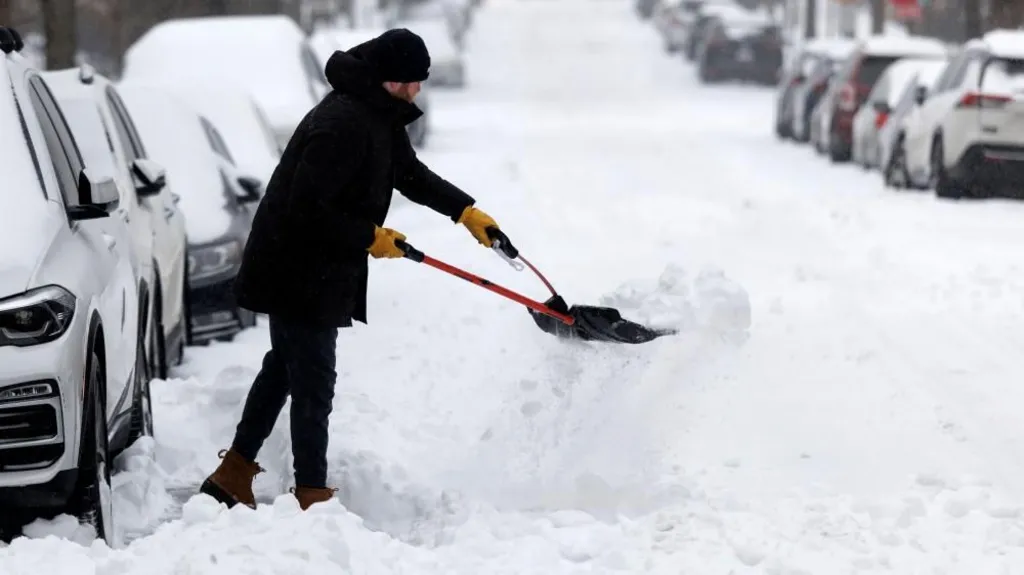
While New York’s mayor reminded residents that “every year, people succumb to the cold.”
Meteorologists blame a weakened polar vortex — a reminder that when nature shifts, it doesn’t ask permission.
The question now isn’t when winter ends, but how communities endure it.