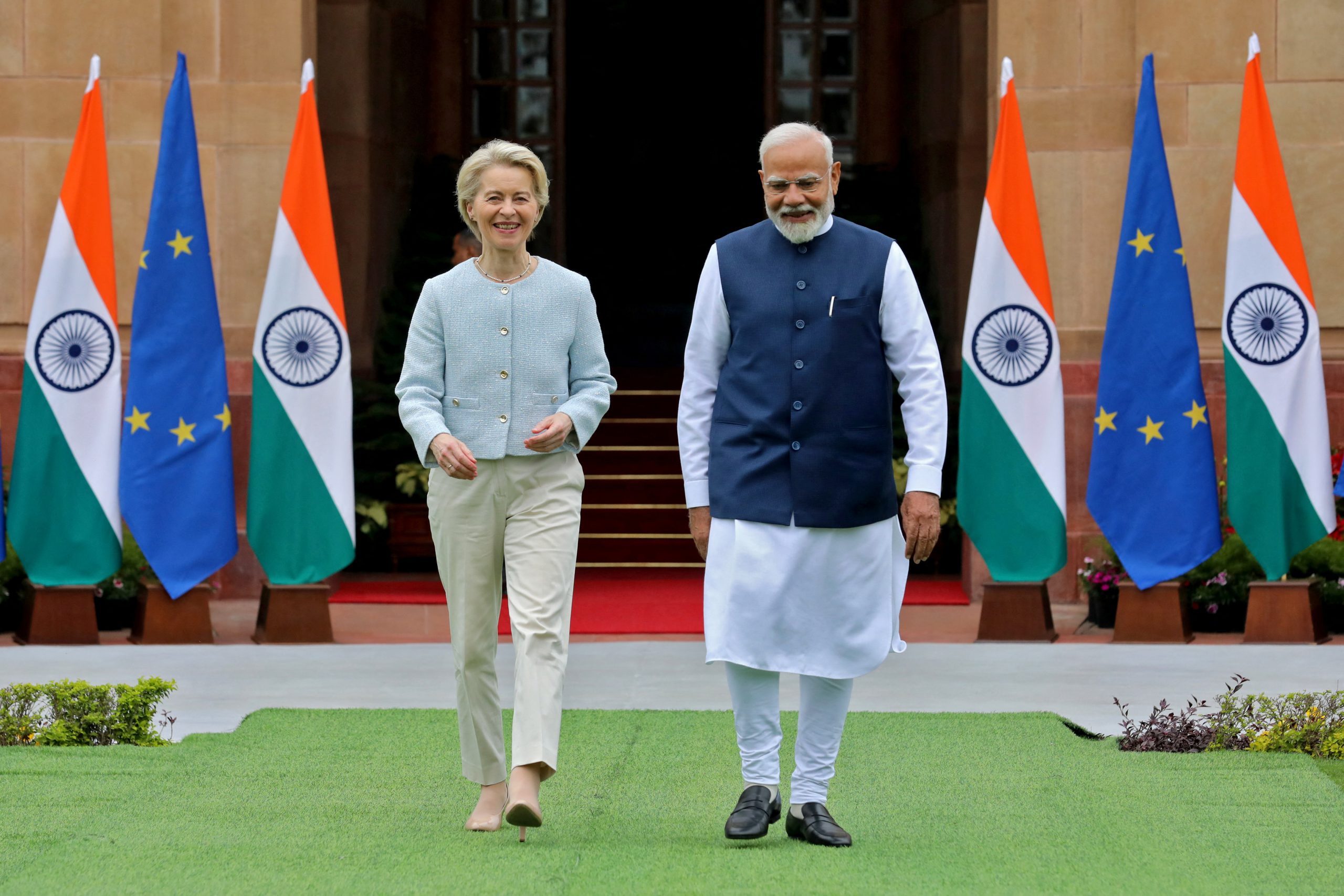
When India rolls out the red carpet for its Republic Day next Monday, the guest list will say as much as the parade itself.
European Council President António Costa and European Commission chief Ursula von der Leyen will be front and centre.
Why does that matter? Because behind the pageantry lies a high-stakes push to seal a long-awaited EU-India free trade deal.
Timing, as they say, is everything. Europe is rattled by fresh trade uncertainty from Washington, while India is still grappling with hefty US tariffs.
“It signals that India is diversifying its foreign policy and isn’t beholden to the whims of the Trump administration,” explains Chietigj Bajpaee of Chatham House.
High-Stakes Trade Pact
After nearly 20 years of stop-start talks, both sides say the deal is close.
Von der Leyen and India’s trade minister have dubbed it the “mother of all deals.”
If signed, it would link two billion people and a quarter of global GDP.
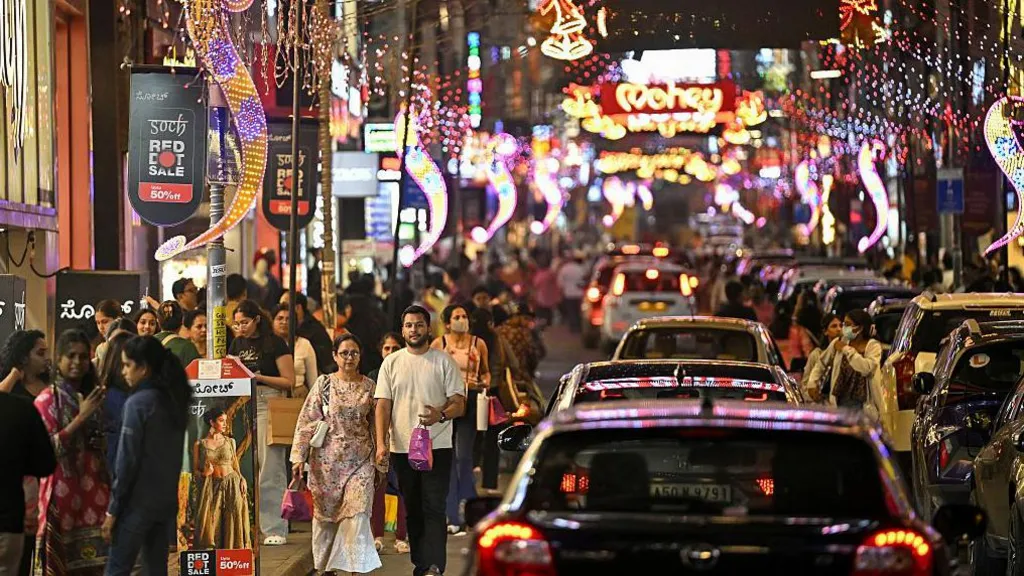
What’s in it for India? Restored market access, lower tariffs on exports like garments and pharmaceuticals, and a buffer against US trade shocks.
For Europe, it’s about betting on the world’s fastest-growing major economy and reducing reliance on China.
There are still hurdles — carbon taxes, patents, sensitive sectors.
But with geopolitics rewriting the rulebook, one question lingers: can this deal turn global uncertainty into a shared opportunity?