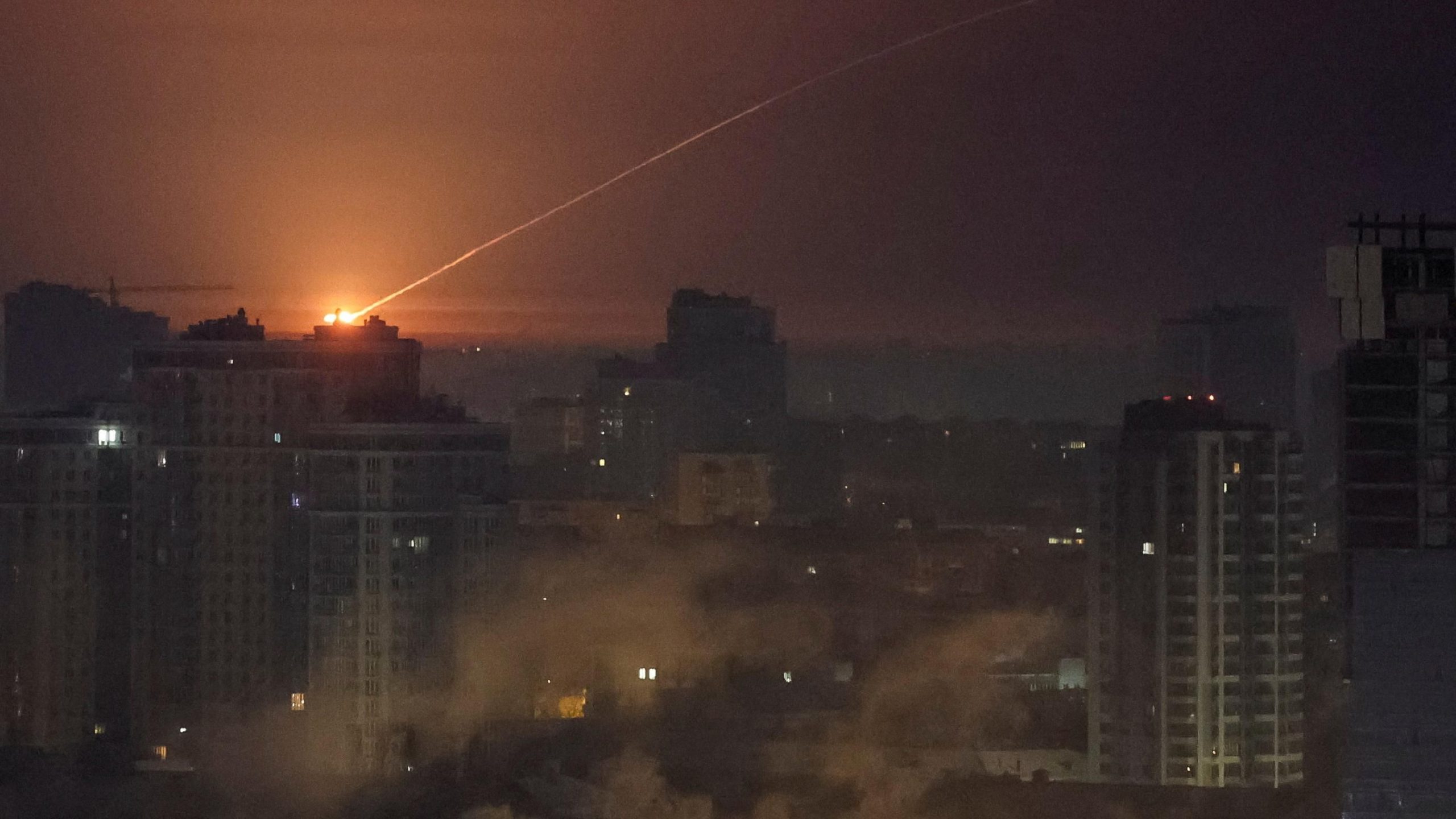
Ukraine woke up shivering. Again. After a massive Russian aerial assault overnight, half of Kyiv’s homes—and even the Ukrainian parliament—were left without heat or power.
Temperatures dipped to a brutal -10°C.
In the dead of winter, that’s not just uncomfortable. It’s dangerous.
President Volodymyr Zelensky said around one million people in the capital were without electricity.
Drones, cruise missiles and ballistic missiles slammed into cities including Kyiv, Dnipro and Odesa.
Many were intercepted, but at a steep cost. “Just the air defence missiles alone cost us about €80 million,” Zelensky said.
Civilians Endure Winter
The human toll is mounting. At least four people were killed and 33 injured in two days.
Sirens wailed through the night. By morning more than 5,600 residential buildings had no heating.
Just days after engineers restored services from an earlier attack.
“I have no electricity, no water. And no sleep,” said Oleksandr Palii, a 29-year-old veteran. Others sheltered underground.
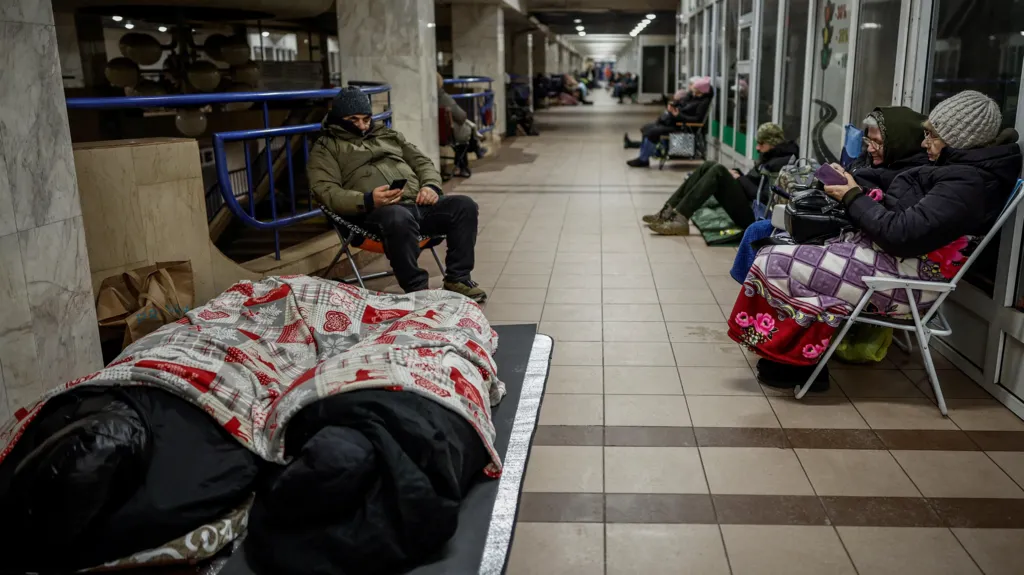
Over 10,000 people, including hundreds of children, spent the night in Kyiv’s metro stations.
As Ukrainians grill food in snowy courtyards and share generators, resilience is everywhere—but so is exhaustion.
Or as Foreign Minister Andrii Sybiha put it: “Resilience cannot be an excuse for this war to continue.” The cold, like the conflict, shows no sign of easing.