Soldiers could soon be headed to Minneapolis—but for now, they’re waiting in the wings.
A US defence official says 1,500 active-duty troops based in Alaska are on standby.
This is should President Donald Trump decide to deploy them as protests against Immigration and Customs Enforcement (ICE) continue in the city.
So why the tension? Demonstrations erupted after Renee Good, a US citizen, was shot dead by an ICE agent earlier this month.
Minnesota officials have urged calm, but emotions remain raw.
Minneapolis Mayor Jacob Frey didn’t mince words, calling the federal presence an “occupying force.”
With thousands of ICE and border agents already in the city, he said the threat of military deployment only deepens fears.
“That’s very much what it feels like,” Frey told CBS.
Protests And Federal Response
Trump has floated invoking the Insurrection Act, a rarely used law that allows active-duty troops to carry out domestic law enforcement.
No decision has been made yet—but the option is clearly on the table.
Meanwhile, a federal judge stepped in, ruling ICE agents cannot arrest or pepper-spray peaceful protesters.
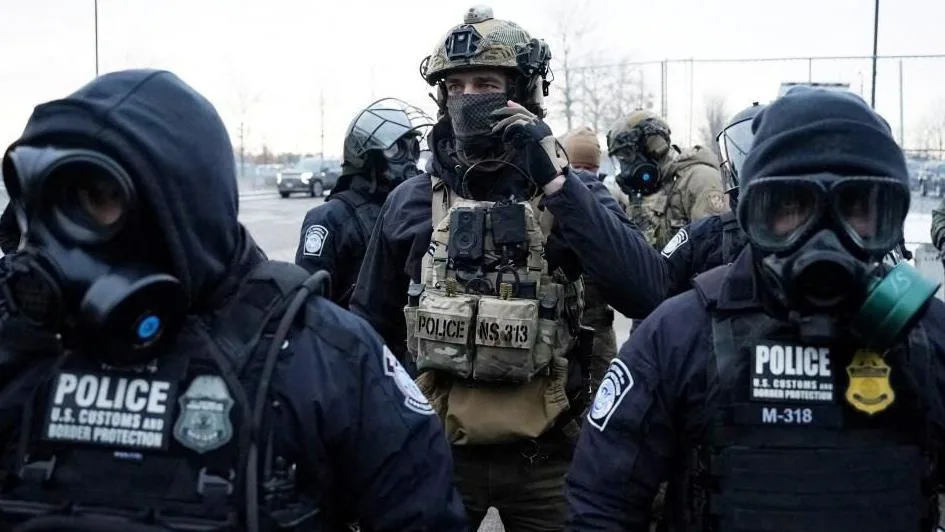
Homeland Security Secretary Kristi Noem brushed off the order as “a little ridiculous,” insisting agents already follow those rules.
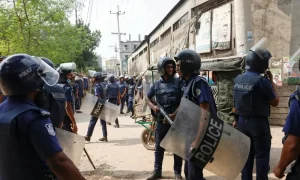
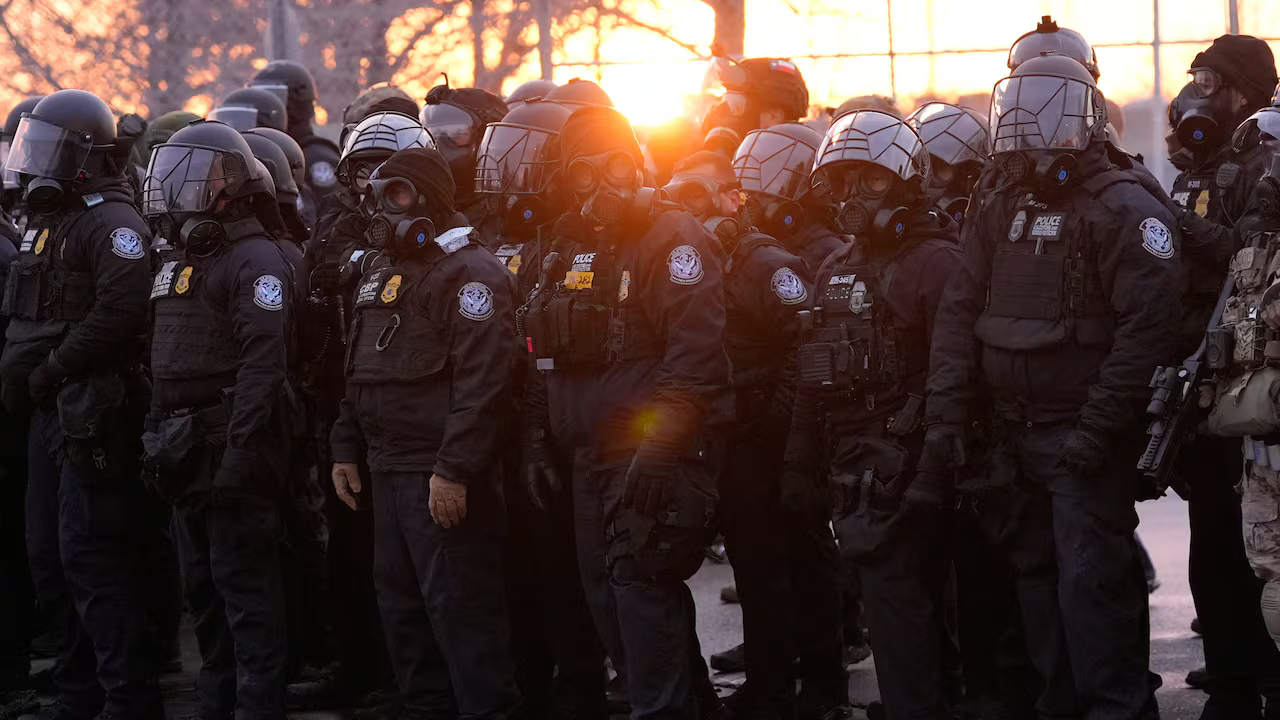
The National Guard is now on alert, police are deployed, and protests continue—some carrying signs reading “Justice for Renee.”
The White House has labelled Good a “domestic terrorist,” a claim fiercely disputed by city leaders.
As Minneapolis braces for what comes next, one question hangs in the air: where does protest end, and militarisation begin?