
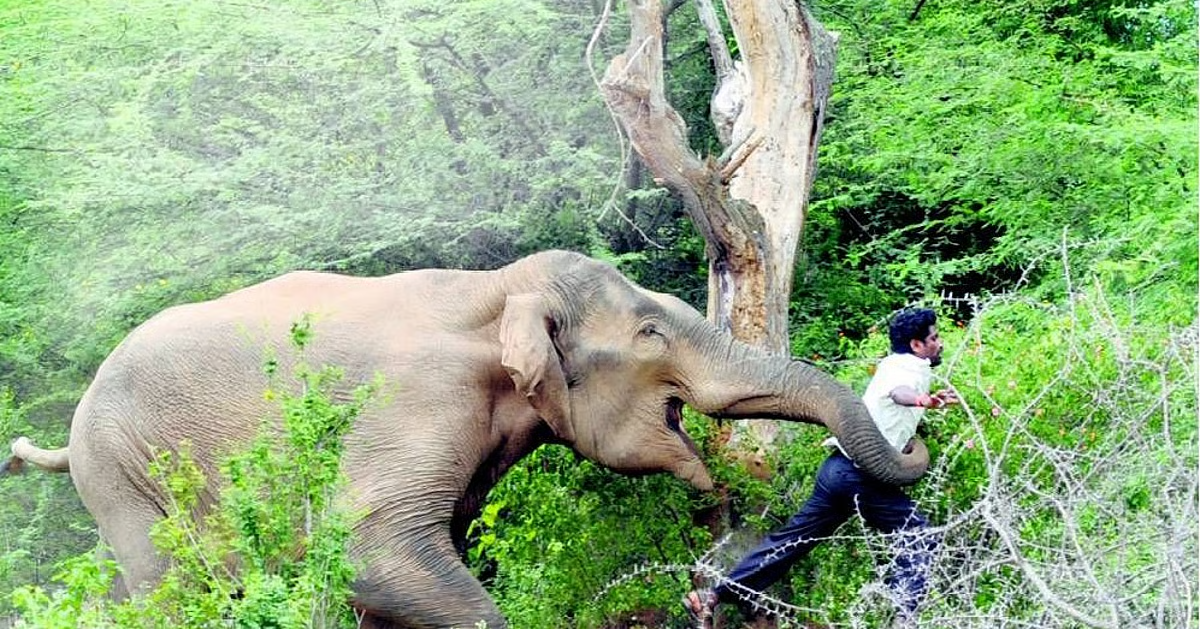
Chaos and fear have gripped Jharkhand’s West Singhbhum district as a lone wild elephant has killed at least 20 people in just nine days.
Can one animal really wreak such havoc? Officials say yes — and it’s still on the loose.
The deaths, which occurred between 1 and 9 January, mainly struck the Chaibasa and Kolhan forest areas, home to some of Asia’s largest Sal forests.
Most victims were attacked at night while guarding paddy fields or sleeping outdoors, a common rural practice.
Tragically, entire families have been affected — including Kundra Bahoda and two of his children, leaving his wife to escape with their youngest.
Forest officials are running a massive search, with over 100 personnel trying to locate the elusive elephant.

“This is unprecedented,” said divisional forest officer Kuldeep Meena.
“It’s the first time such a pattern of fatalities has been linked to a single male elephant in the region.”
Mating Season Aggression
Experts believe the elephant may be in its mating phase, which can make male elephants unusually aggressive.
Its tendency to roam at night and move frequently has made tracking extremely challenging.
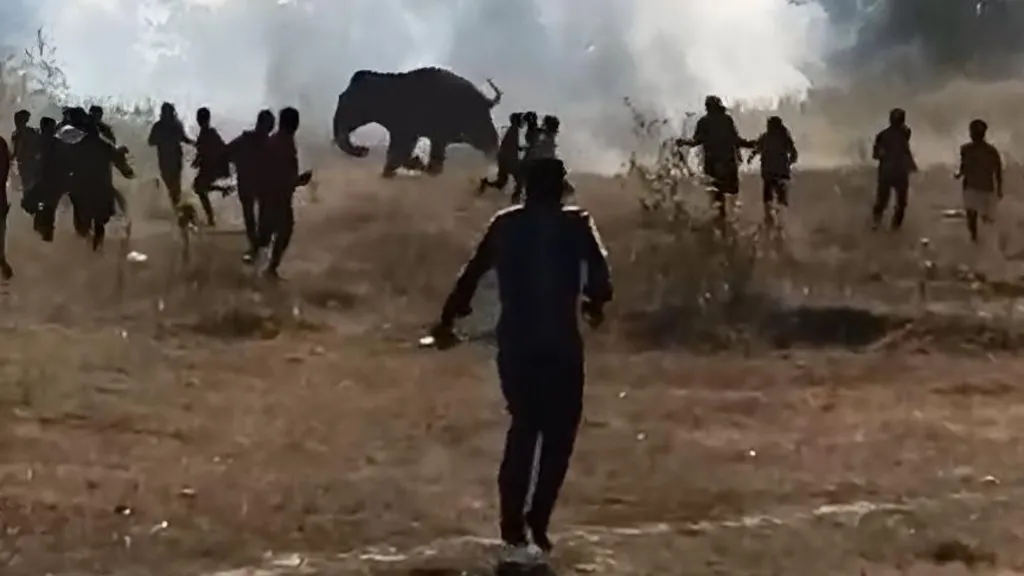
Officials are using traditional drum alerts to warn villagers and advise staying indoors after dark.
Authorities hope to capture the elephant safely and reunite it with its herd — a reminder that even the wildest disasters often stem from nature in flux.
Meena notes, “Once it returns to its herd, we expect the aggression to subside in 15 to 20 days.”
In the meantime, locals watch and wait, hearts heavy but hopeful.