
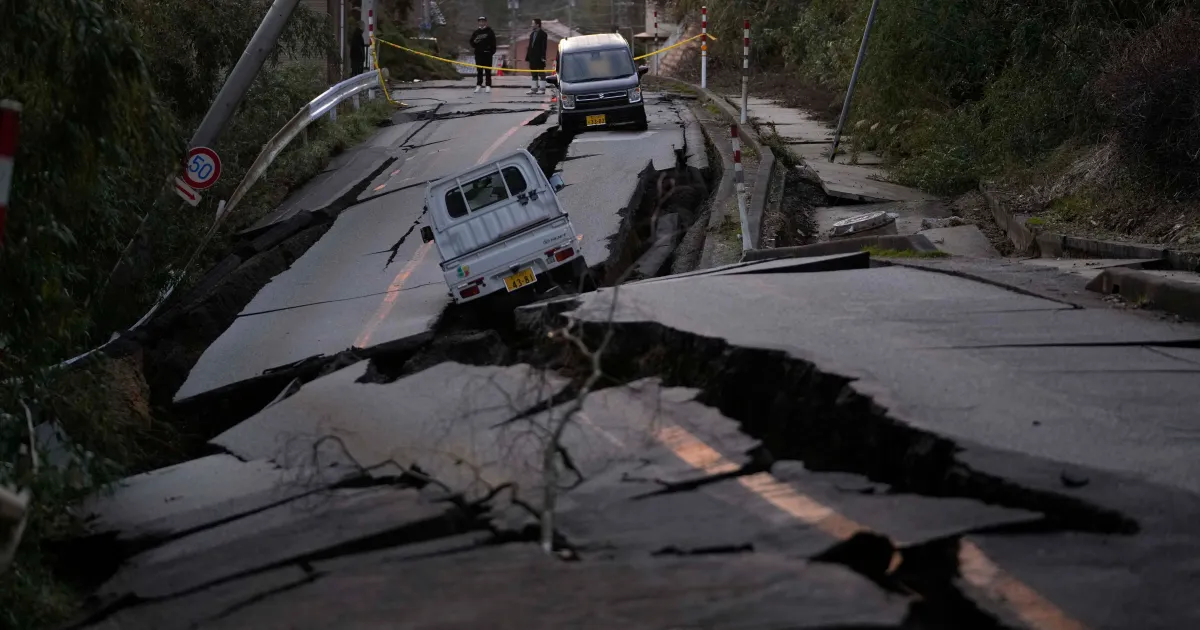
A powerful 7.5-magnitude earthquake jolted north-eastern Japan on Monday night — and for thousands of families, everything changed in seconds.
At least 30 people were injured, and nearly 90,000 residents were ordered to evacuate.
The quake struck just after 11pm local time, about 80km off Aomori’s coast.
Tsunami warnings briefly sparked panic before being lifted, though waves nearly a metre high still rolled in.
Trains stopped. Lights went out. Entire neighbourhoods were left in darkness as more than 2,700 homes lost power.
And with aftershocks expected, officials are urging people to stay alert for the next week.
Prime Minister Sanae Takaichi reminded citizens to “secure furniture.”
She also urged them to be ready to evacuate the moment they feel shaking — a grim but familiar part of life in quake-prone Japan.
Quake Preparedness Urged
Emergency teams have already been mobilised, with the government racing to assess damage.
Thankfully, no irregularities were reported at nearby nuclear plants, including Fukushima.
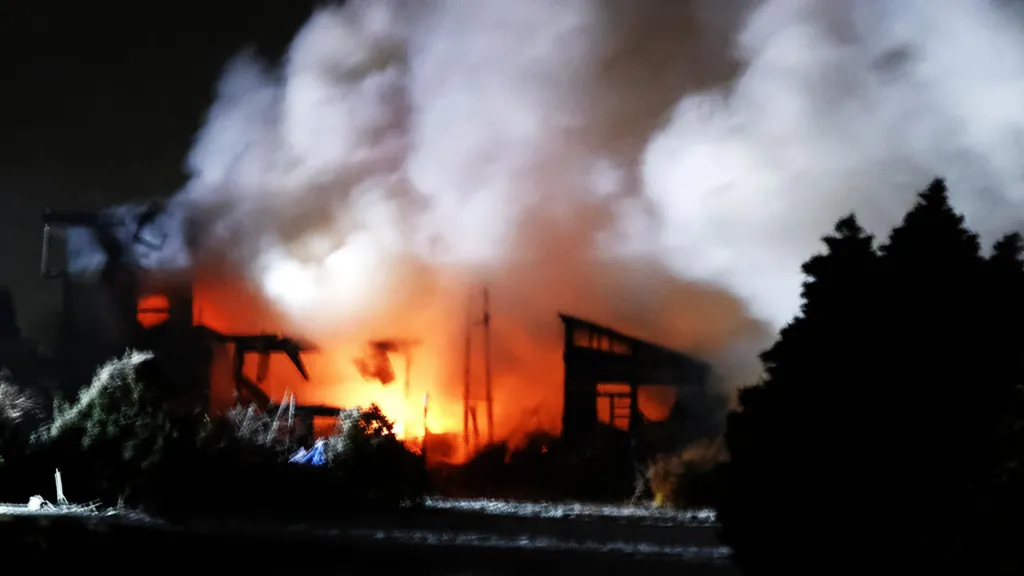
Fukushima — a name that still triggers painful memories of the devastating 2011 quake and tsunami that killed over 18,000 people.
Japan sits on the Ring of Fire, experiencing around 1,500 quakes every year.
And experts warn the country could face an even larger “megaquake” within decades.
In a place where the ground never truly stops moving, preparedness isn’t just advice — it’s a way of life.