

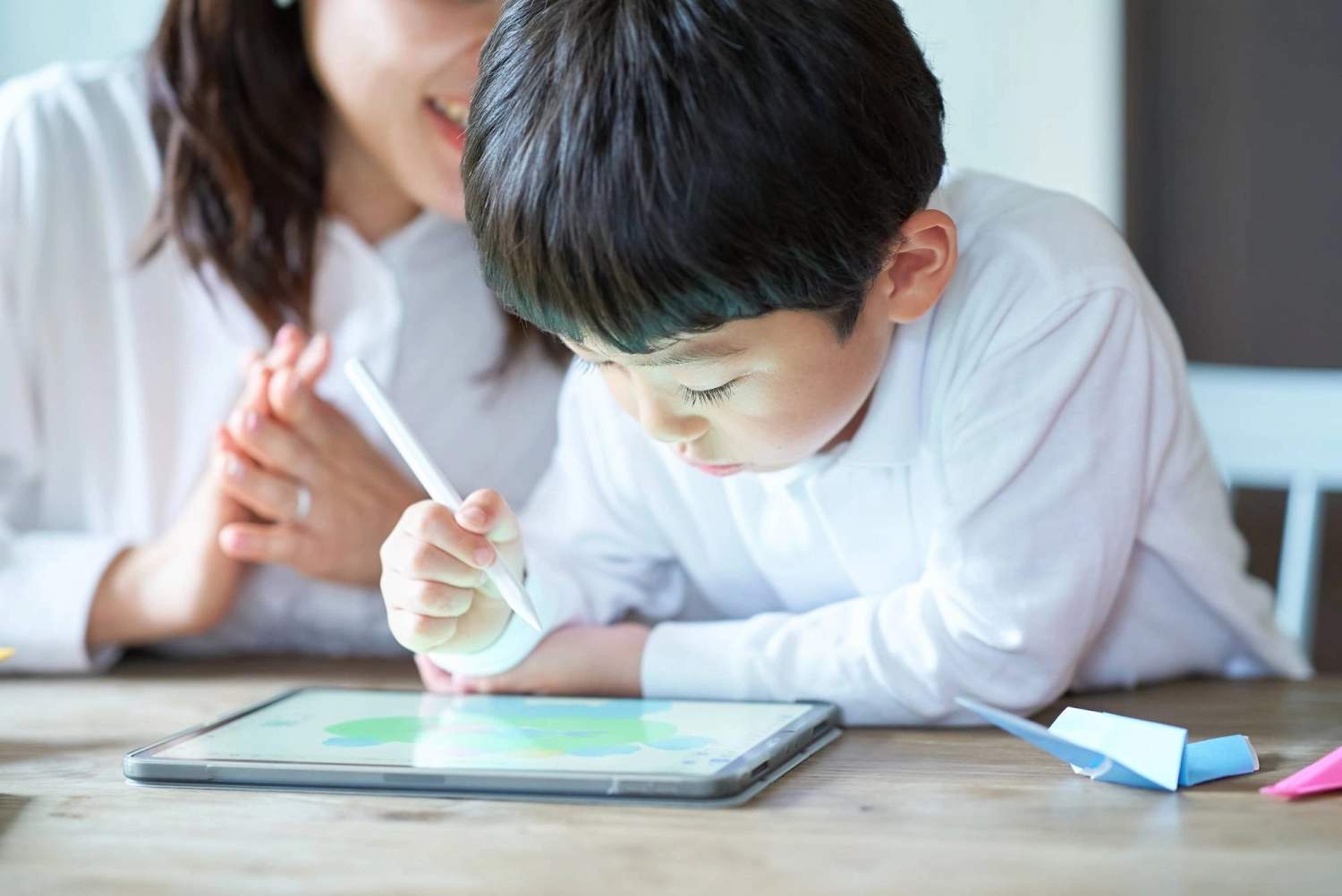
Can digital textbooks improve learning without affecting children’s health?
Japan is taking a cautious approach, planning to keep paper at the centre of classroom learning as digital textbooks are introduced from 2030.
Draft guidelines from the education ministry propose hybrid textbooks combining printed pages with digital features such as videos and audio.
For younger pupils, digital content would play a smaller role.
Students in fourth grade and below would not be allowed to use fully digital textbooks.
From fifth grade onwards, digital-only formats would be limited mainly to English and practical subjects such as music and art.
Why The Caution?
Experts have raised concerns about children’s developing cognitive abilities.
One panel member warned that digital materials can have a “significant impact” on young children.
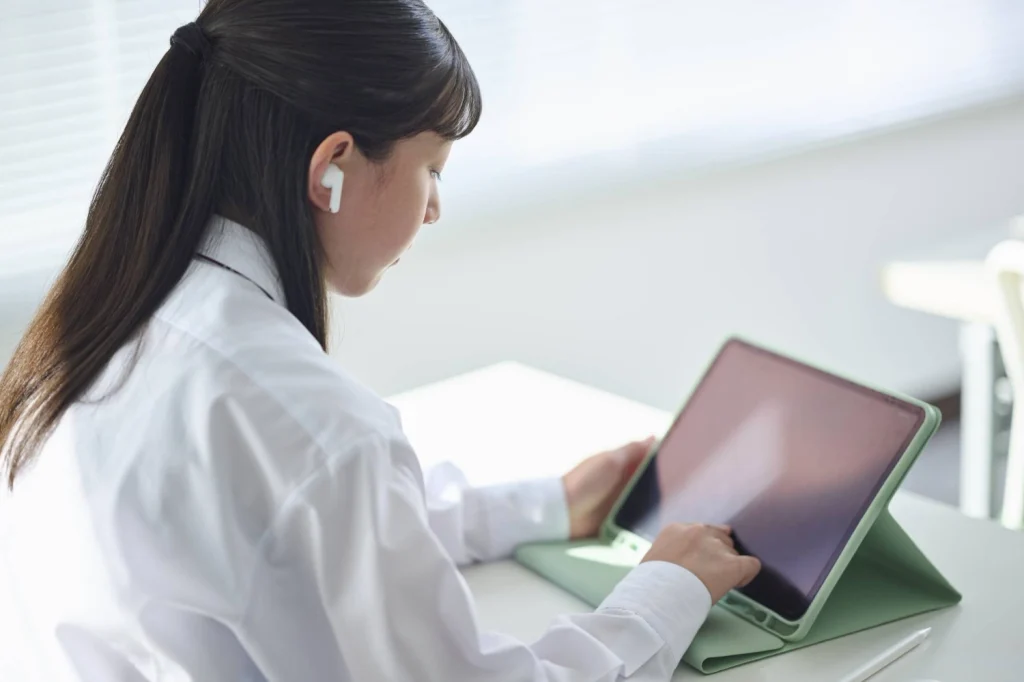
Another stressed that paper-based learning remains effective.
The ministry also plans to monitor students’ eyesight, health and academic performance after digital textbooks are introduced.
Schools would be expected to preserve time for handwriting, while the use of artificial intelligence in textbooks remains under consideration.
The rollout will begin in elementary schools in 2030, followed by junior high schools in 2031 and high schools in 2032.
The ministry aims to finalise its guidelines by year-end after seeking public feedback.
The message is clear: technology may transform classrooms.
But Japan wants screens to support learning, not replace the page entirely.