
Indonesia is facing a growing health crisis as wildfires and toxic haze have left about 175,000 people suffering from respiratory illnesses since August, according to the health ministry.
More than 40,000 cases involve toddlers. But why has the situation become so severe?
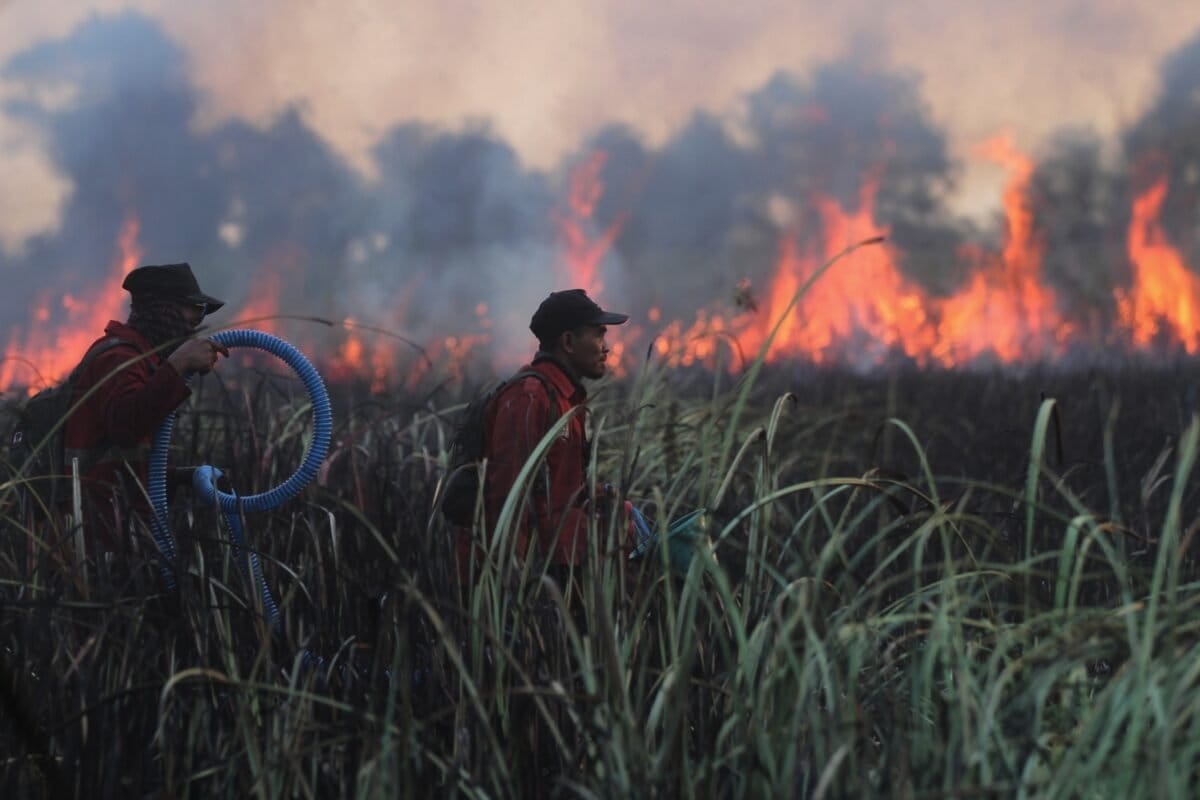
Fires have burned across huge areas of Indonesia, sending thick smoke into Malaysia and Singapore and pushing air pollution into unhealthy levels.
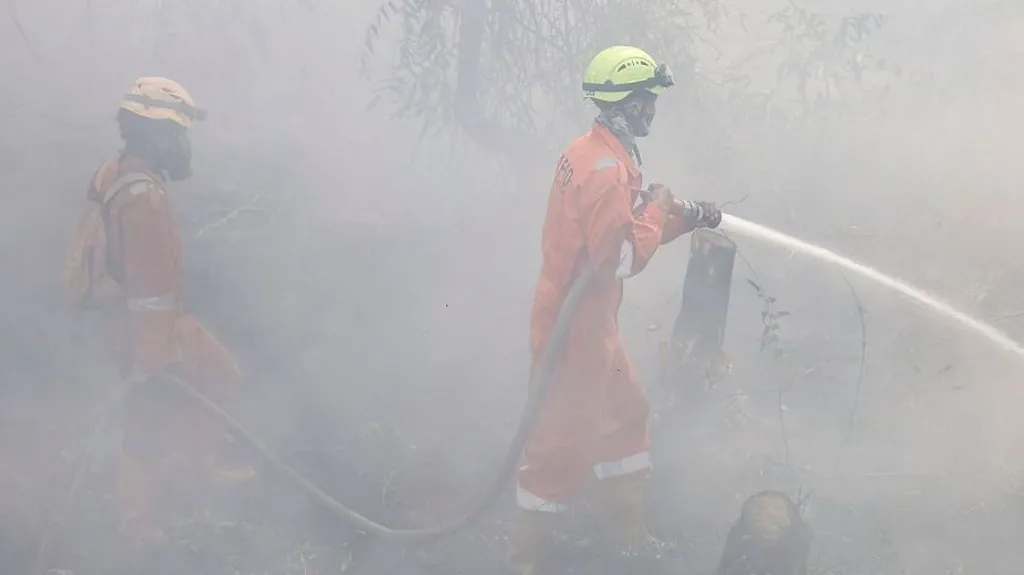
Authorities have deployed more than 54,000 personnel and dozens of aircraft to fight the flames, but vast peatlands remain difficult to control.
“From the air to the ground, all forces continue to move,” Cabinet Secretary Teddy Indra Wijaya said, adding that protecting people was the priority.
The fires have already burned nearly 896,000 hectares since January.
Fires Worsen Across Indonesia
Indonesia has recorded around 734,000 hotspots, more than 30% above the devastating 2019 season.
The consequences stretch beyond human health.
Schools have closed, hospital admissions have risen and endangered orangutans have been caught in the disaster.
One rescued orangutan in West Kalimantan later died after suffering from severe oxygen deprivation.
Authorities are also using cloud seeding to encourage rainfall, though meteorologists remain divided over how effective it is.
With forecasts pointing to hotter, drier conditions.
The question is becoming harder to ignore: how long can Indonesia keep fighting fires that return year after year?