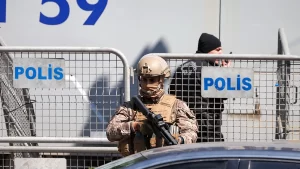

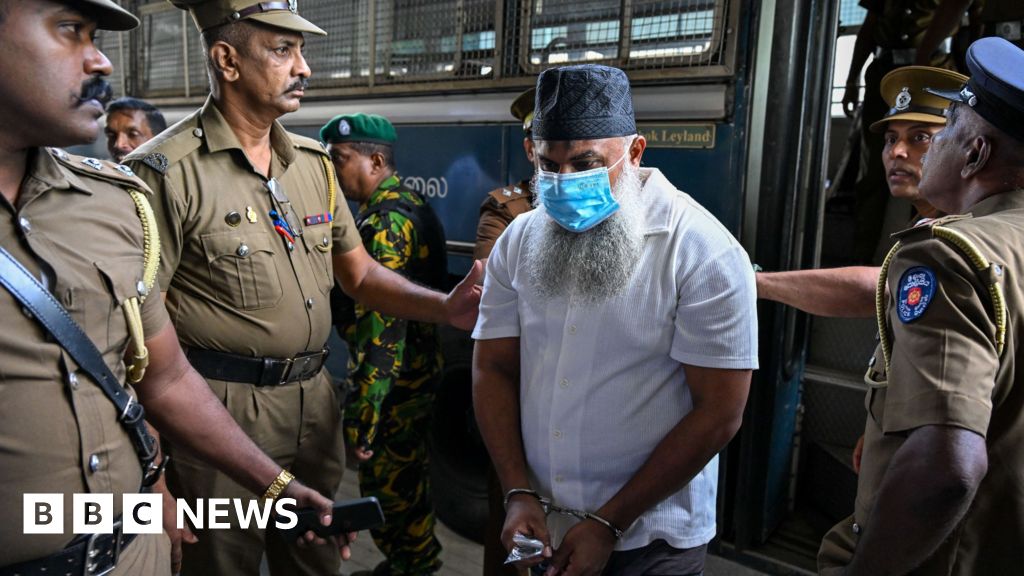
Sri Lanka’s High Court has convicted 15 men over their alleged roles in the 2019 Easter Sunday bombings.
This brings a major legal development in one of the country’s darkest attacks.
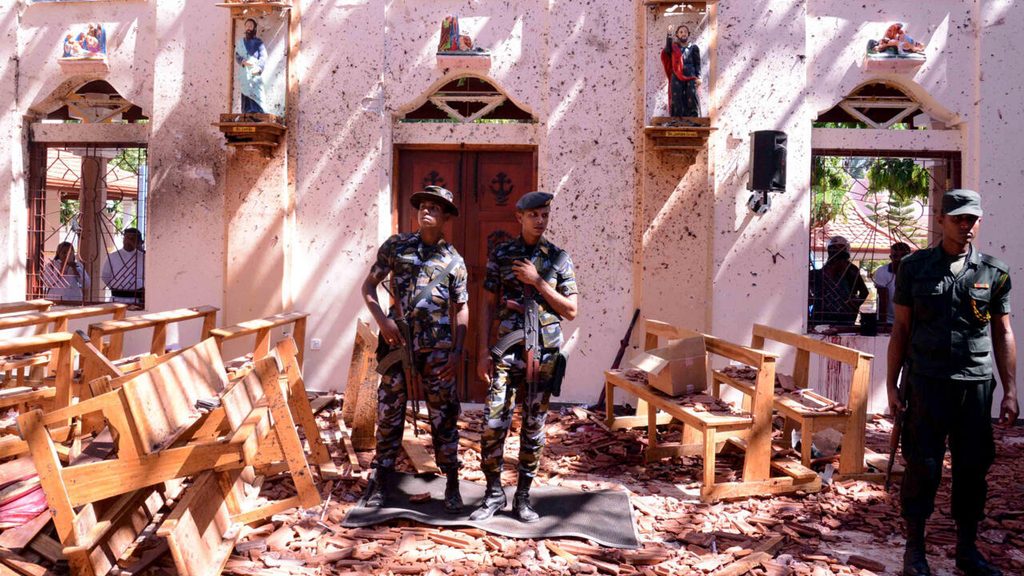
The coordinated blasts struck three churches and three luxury hotels, killing 270 people and injuring more than 500.
Among the dead were 45 foreigners, including children and members of several families.
Prosecutors said Naufer Moulavi masterminded the attacks.
Nine other defendants were acquitted, while sentencing was postponed after the court hearing was adjourned.
All the suicide bombers died in the explosions, which investigators linked to Islamist extremists.
The 25 defendants had faced more than 23,000 charges, with one dying in custody.
But the case goes beyond the courtroom. Why were authorities unable to prevent the attacks despite warnings?
Intelligence Failures Probed Further
Sri Lankan officials previously described the failure to act on intelligence as a “major intelligence lapse”.
The Supreme Court later found former President Maithripala Sirisena responsible for security failures and ordered him to compensate victims.
Meanwhile, separate investigations continue into allegations that former intelligence chief Suresh Sallay helped orchestrate the attacks. He denies the claims.
For families who have waited years for answers, the convictions mark a significant moment.
But with other investigations still underway, the full story of Easter Sunday remains unfinished.