
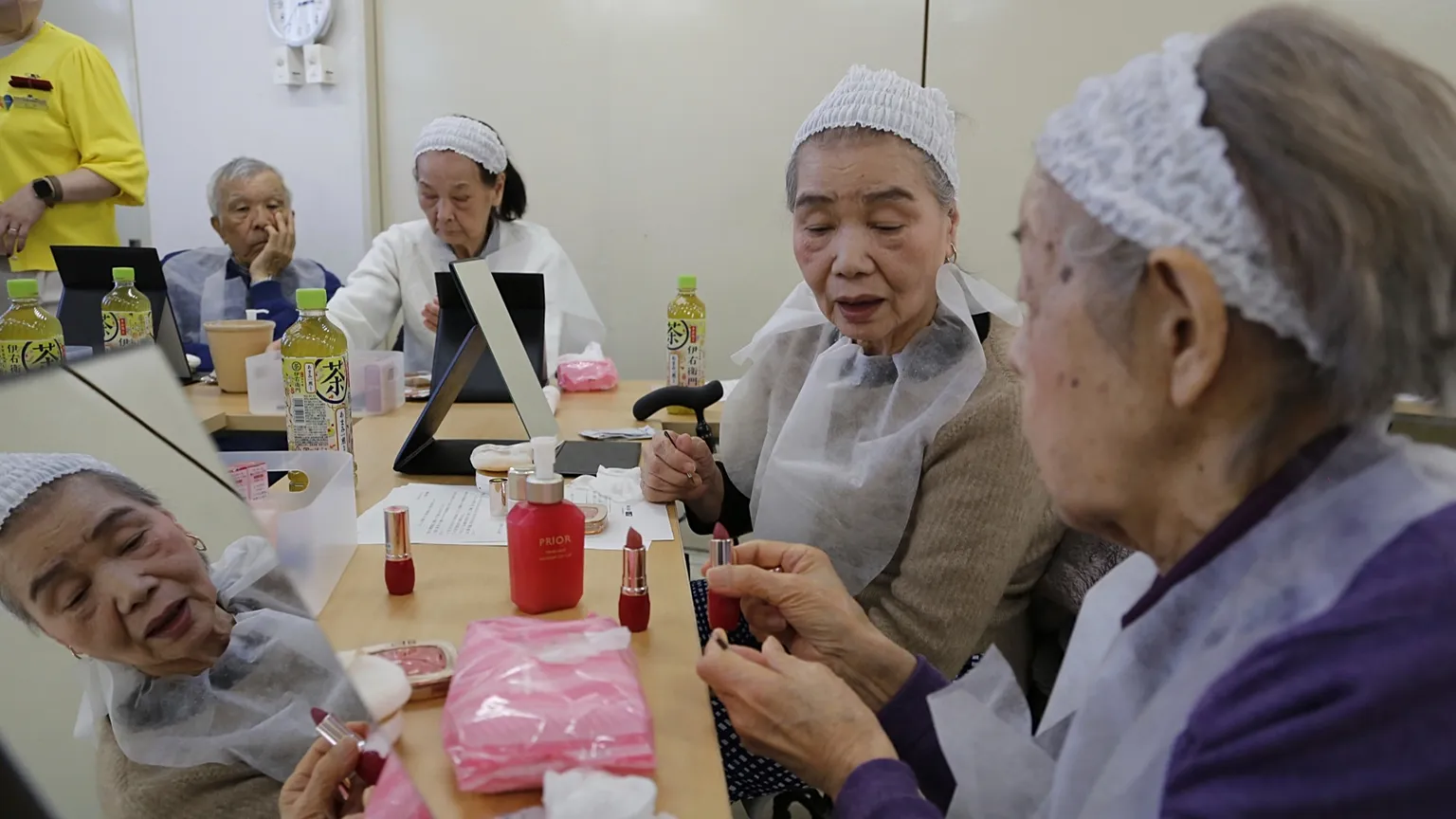
Japan has crossed a remarkable demographic milestone: more than 100,000 people are now aged 100 or older.
Health ministry figures put the number at 107,677 centenarians, with women making up 88%.
The oldest woman is 114-year-old Kishimoto Fuyo, while the oldest man, Kato Hikaru, is 112.
What is behind Japan’s extraordinary longevity?
Experts point to a diet rich in fish, vegetables and rice, along with active lifestyles that often include walking, cycling and using public transport.
Health Minister Kenichiro Ueno said he was “delighted that so many people are living long, healthy and active lives”.
He warned that the ageing population is putting pressure on Japan’s social security system.
Ageing Population Strains Japan
The bigger problem is what happens next. Japan’s fertility rate fell to a record-low 1.14 last year.
People aged 65 and above already account for about 30% of the population.
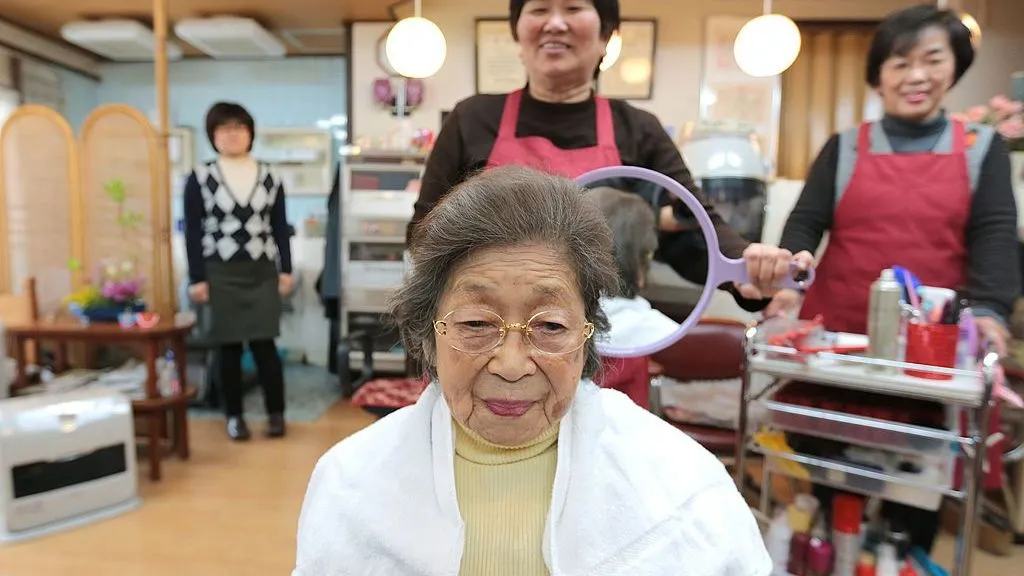
By 2070, Japan’s population could fall to 87 million, with older people approaching 40% of the total.
There is another wrinkle: past audits found hundreds of thousands of questionable centenarian records, highlighting problems with old family registries.
Japan may be living longer than ever. But who will be there to support its ageing society?