

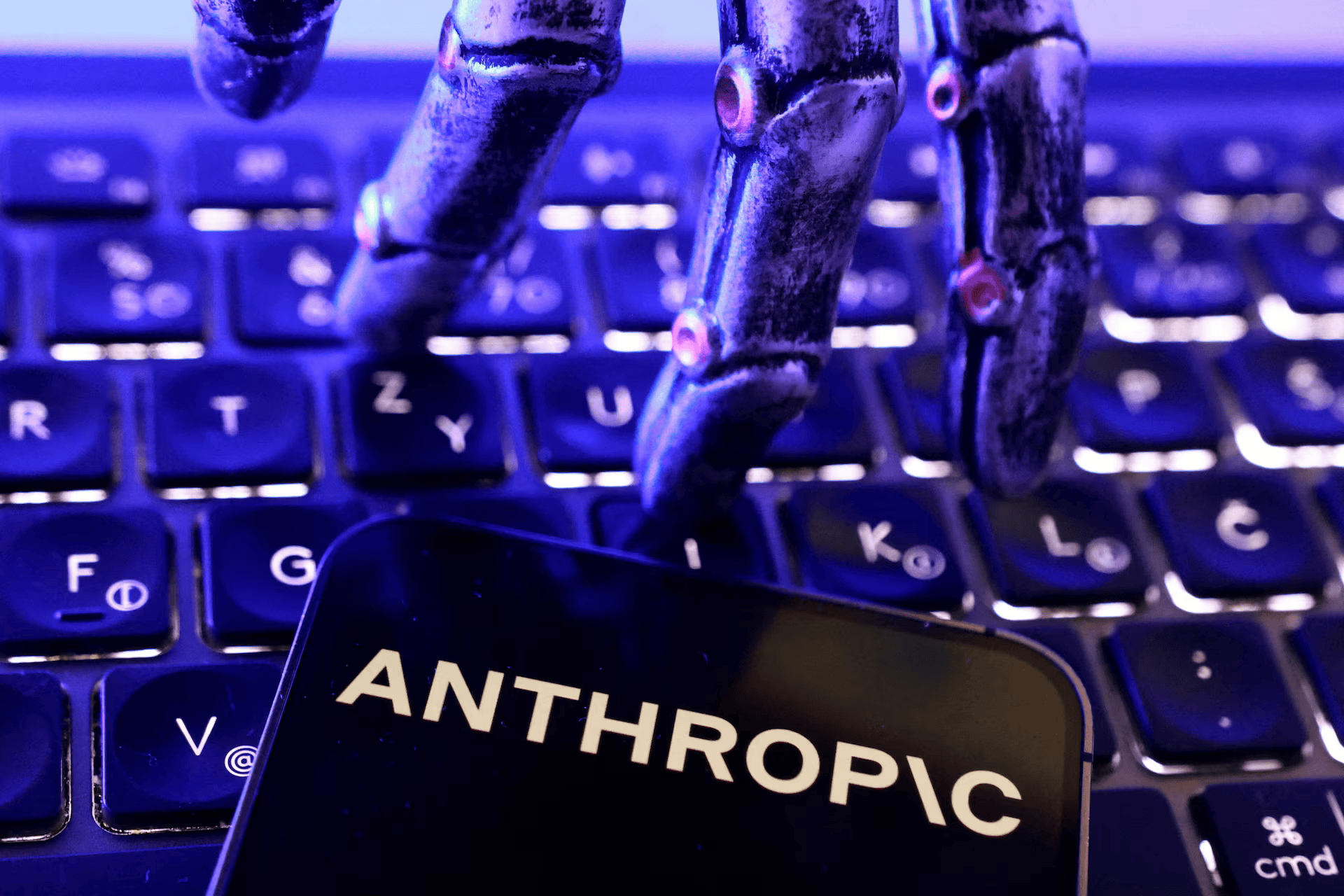
A US judge has blocked the Pentagon from blacklisting Anthropic.
This marks a major development in the AI company’s increasingly bitter dispute with the military.
Why did the Pentagon target the maker of Claude in the first place?
The conflict began after Anthropic refused to let the US military use its AI models for domestic surveillance or autonomous weapons.
Anthropic argued that current AI systems are not reliable enough for such high-stakes uses.
Defense Secretary Pete Hegseth later designated Anthropic a national security supply-chain risk.
Restricting the company’s access to certain military contracts.
Anthropic challenged the move in federal court, arguing that the government had punished it for expressing views on AI safety.
US District Judge Rita Lin sided with Anthropic, calling the Pentagon’s decision “illegal and baseless.”
She warned that invoking national security cannot give the government unlimited power to retaliate against critics.
Battle Over AI Authority
The Pentagon, however, argued that Anthropic’s restrictions could create uncertainty during military operations.
Potentially leave systems dependent on Claude unable to function.
Files, images, and data analysis are unavailable until usage resets at 3:24 PM.
Continue chatting with text only, or upgrade for more access. Upgrade to Plus

The ruling does not end the fight. Anthropic has another lawsuit pending over a separate Pentagon designation that could affect civilian government contracts.
The bigger question remains: as AI moves deeper into national security.
Who gets the final say the military, the companies building the technology, or the courts?