
What happens when a storm lasts minutes but its consequences stretch into weeks?
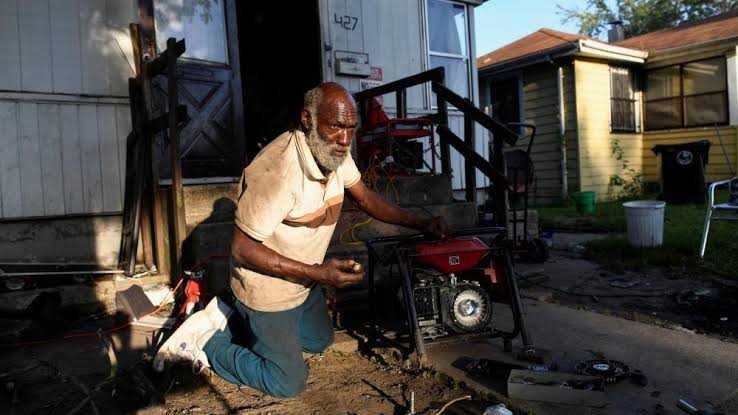
In Gary, Indiana, thousands of residents are still living without electricity nearly two weeks after violent storms tore through the US Midwest.
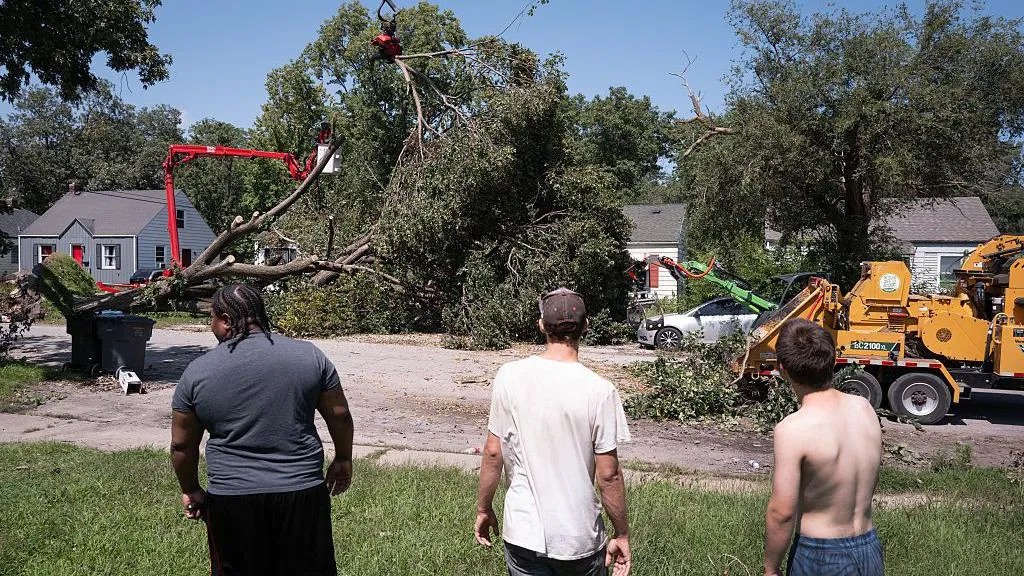
The 11 August storm brought tornadoes, flooding and winds reaching 99mph (159km/h), killing seven people across the region.
Gary was among the hardest-hit areas, with fallen trees bringing down power lines and leaving communities in darkness.
For 77-year-old Terry Dubois, the experience has been unlike anything she has seen before.
“It was like a sheer wall of wind,” she told the BBC.
Residents Face Prolonged Outages
More than 345,000 customers have had power restored, but nearly 30,000 remained without electricity on Sunday.
For many, the outage means more than sitting in a dark house.
Food has been difficult to store, medication cannot always be refrigerated, and some elderly residents depend on electricity for essential equipment.
“I’ve never seen a storm like that in my entire life,” Dubois said.
Frustration is now boiling over, with residents launching a lawsuit against utility company Nipsco, which denies wrongdoing.
With extreme weather becoming more disruptive, Gary’s ordeal raises an uncomfortable question.
How prepared are communities for storms whose damage lasts far longer than the storm itself?