
The Strait of Hormuz is once again at the centre of a dangerous US-Iran standoff.
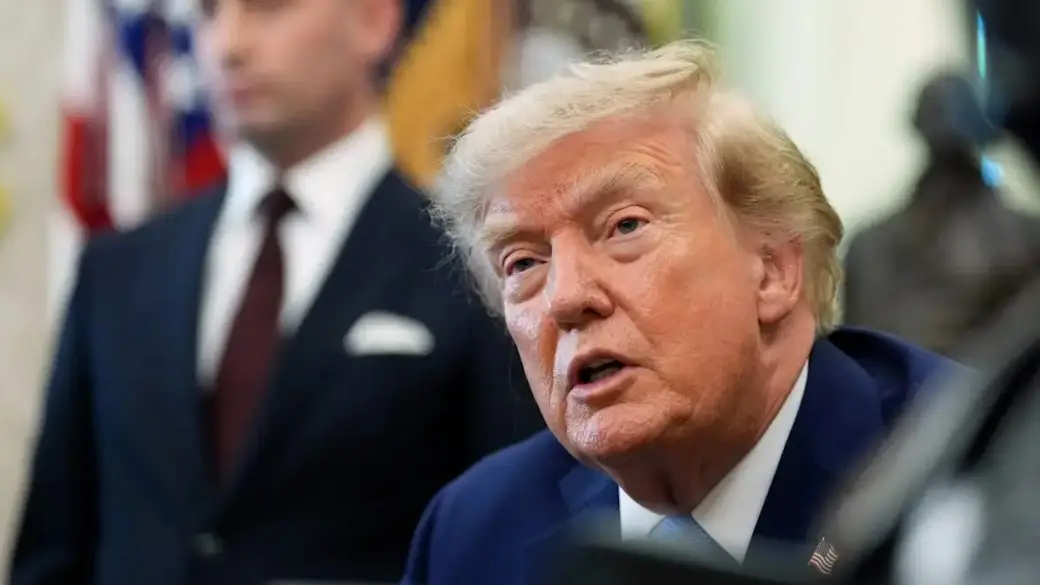
Donald Trump denying that any negotiations are taking place while insisting the US naval blockade remains in force.
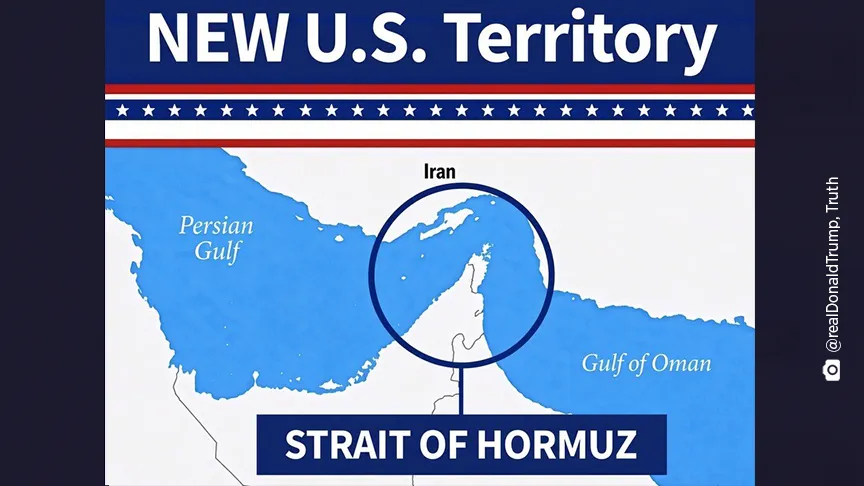
Trump even posted a map labelling the strategic waterway as “NEW US Territory” but Tehran is showing no signs of backing down.
Iranian officials say Hormuz will remain closed until Washington lifts its blockade, removes oil sanctions, releases frozen assets and addresses war damages.
So, is diplomacy dead, or is this simply another high-stakes game of pressure?
Tensions Escalate Across Gulf
Iranian Foreign Minister Abbas Araghchi claimed the US was now “begging to negotiate” on Tehran’s terms.
Qatar said progress on an agreement between Iran and Oman could help revive wider talks.
Meanwhile, tensions are spreading. The UAE said Iran had launched two ballistic missiles towards its territory.
Yemen’s Houthis claimed responsibility for drone attacks on an Aramco refinery in southern Saudi Arabia.
A commercial vessel was also reportedly struck by an unknown projectile while leaving Hormuz, injuring a crew member.
With one of the world’s most important energy routes caught in the middle, the question is no longer just who controls the strait.
But how much longer the region can absorb the pressure.