
Europe’s scorching summer is now hitting one of its most critical power sources: nuclear energy.
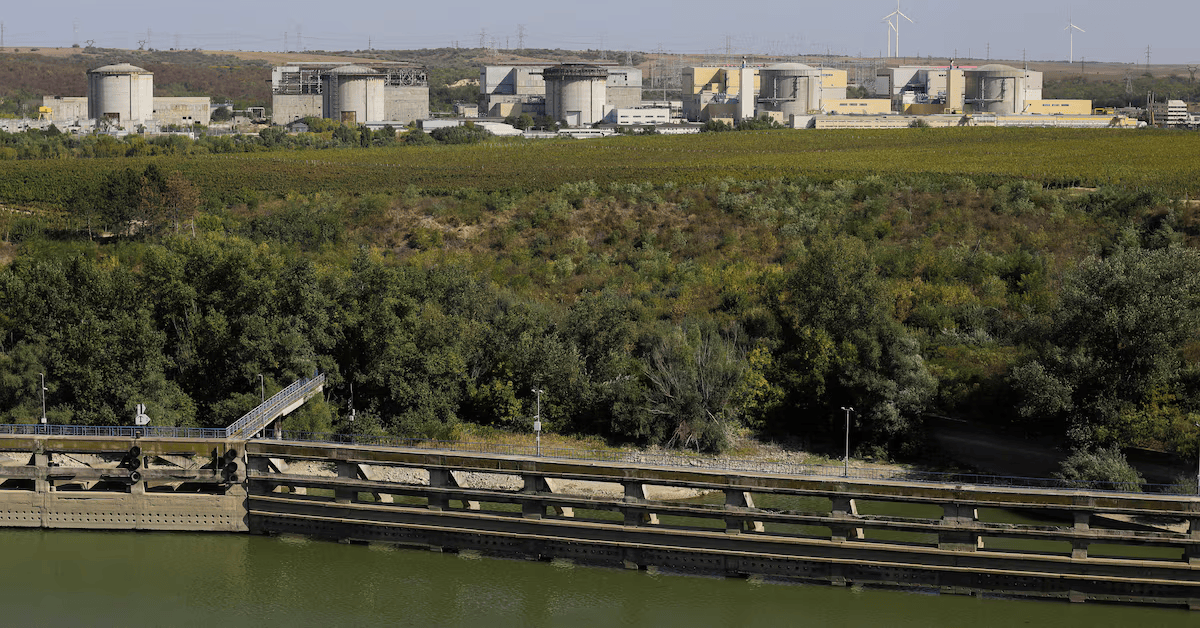
Romania has shut down its entire Cernavodă nuclear plant after the Danube fell to exceptionally low levels.
The river provides cooling water for the facility’s two reactors, which normally generate about 20% of the country’s electricity.
Could a river running low really bring a nuclear plant to a halt? Apparently, yes.
One reactor was disconnected from the grid on Thursday, joining the second reactor, which was already offline.
Plant director Romeo Urjan said there would be no restart “within the next 10 days”.
Heatwave Threatens Energy Supply
Officials had even tried to boost water flow by placing rock-filled barges in the Danube, but the measure was not enough.
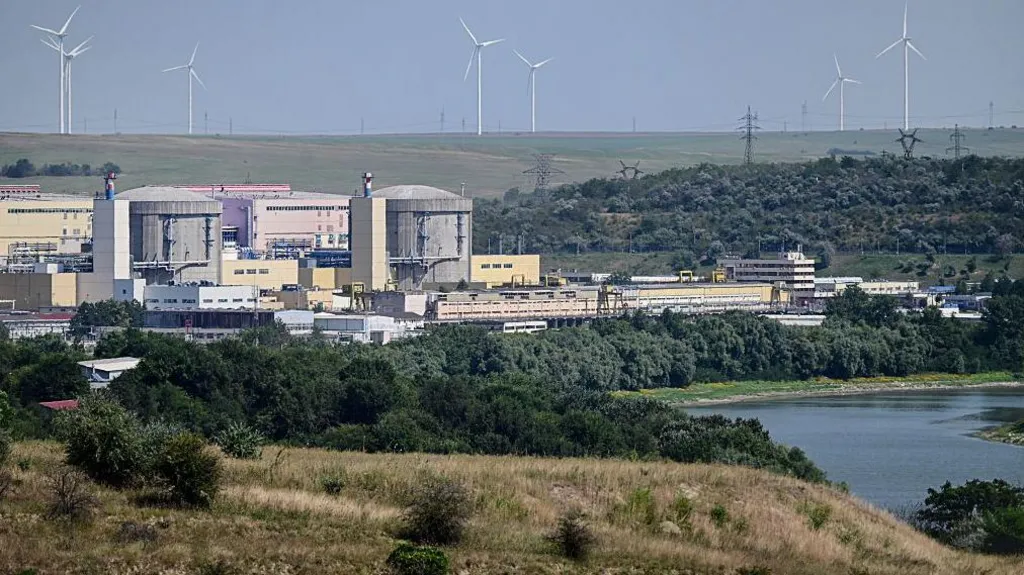
The problem extends beyond Romania. Hungary’s Paks nuclear plant, also dependent on the Danube, is facing similar concerns as water levels reach their lowest in decades.
And nuclear power is only part of the problem. Hydropower output has also suffered, while drought is disrupting agriculture and river transport.
With heatwaves, wildfires and water shortages spreading across Europe.
The continent is facing an uncomfortable question: what happens when extreme heat starts threatening the infrastructure designed to keep the lights on?